
Rolls-Royce SMR: UK Government Considers Groundbreaking Nuclear Application
The Nuclear Industry Association seeks approval for Rolls-Royce's advanced small modular reactor, aiming to revolutionize the UK's nuclear energy landscape.
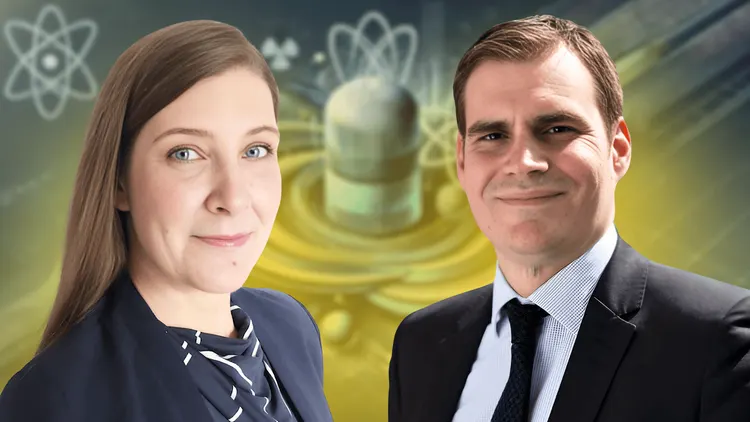
The Nuclear Industry Association (NIA) has made a landmark move by applying to the UK government for a justification decision for Rolls-Royce SMR’s small modular reactor. This decision, pivotal for the operation of new nuclear technology, marks the first-ever application for the justification of a UK reactor design. The justification decision is a crucial step in ensuring the new practice, which produces ionising radiation, is deemed beneficial and safe for public and environmental health.
Background on Justification Decision
In the UK, any new practice that involves ionising radiation must undergo a justification process. This process involves a rigorous evaluation of potential benefits and detriments associated with the practice. The primary aim is to ensure that the benefits significantly outweigh the risks, adhering to stringent regulatory standards.
The Application by Nuclear Industry Association (NIA)
The NIA’s application argues that the Rolls-Royce SMR will provide clean, firm, and flexible power, which outweighs any potential risks. These risks are meticulously controlled by robust safety features, including passive safety systems designed to meet UK regulatory requirements. The application highlights that the SMR design will bolster nuclear energy’s role in maintaining a stable and balanced electricity grid, which is essential for reducing consumer bills and enhancing economic competitiveness.
Rolls-Royce SMR: Design and Benefits
The Rolls-Royce SMR is a cutting-edge 470 MWe design based on a small pressurised water reactor. This design ensures consistent baseload generation for at least 60 years. Remarkably, 90% of the SMR’s components will be manufactured in factory settings, significantly reducing on-site construction activity to mainly assembly tasks. This approach minimizes project risks and drastically shortens build schedules.
Safety and Regulatory Compliance
Safety is paramount in the Rolls-Royce SMR design. It includes advanced passive safety systems that operate without human intervention, ensuring maximum safety. These systems comply with the UK’s stringent regulatory requirements, making the SMR a reliable and secure option for nuclear energy production.
Government's Role and Review Process
The government has acknowledged the receipt of the NIA’s application. The Department for Environment, Food and Rural Affairs (DEFRA) will assist the Secretary of State in the justification decision process. DEFRA will conduct an internal review and consult with statutory consultees to ensure a thorough evaluation.
Implications for the UK Energy Sector
The successful deployment of Rolls-Royce SMR is expected to significantly contribute to the UK’s electricity grid. By providing a stable and well-balanced power supply, it will help reduce consumer energy bills and maintain the country’s economic competitiveness. The SMR technology is poised to play a crucial role in the UK’s journey towards energy security and sustainability.
Previous Justification Applications by NIA
The NIA has a history of submitting justification applications for various reactor designs. These include Hitachi’s Advanced Boiling Water Reactor, Westinghouse’s AP1000, and Framatome’s EPR. The NIA's experience in navigating the justification process underscores its commitment to advancing nuclear technology in the UK.
NIA’s Vision for the Future of Nuclear in the UK
The NIA envisions a robust nuclear renaissance in the UK, driven by small modular reactors like the Rolls-Royce SMR. The goal is to revive industrial capabilities and deliver low-carbon energy essential for achieving net-zero emissions and ensuring energy security.
Statements from Key Stakeholders
Tom Greatrex, NIA Chief Executive, emphasized the transformative potential of the Rolls-Royce SMR, stating that it is essential for the UK’s nuclear renaissance to be driven by domestic capabilities. Helena Perry, Rolls-Royce SMR’s Safety and Regulatory Affairs Director, highlighted the SMR’s ability to provide clean, affordable electricity to power a million homes for over 60 years.
Rolls-Royce SMR’s Impact on the UK Economy
Deploying Rolls-Royce SMRs will bring substantial economic benefits, including job creation and industrial growth. The modular approach to construction will foster a robust supply chain, generating opportunities across various sectors.
Technological Innovations in SMRs
The Rolls-Royce SMR represents a significant technological advancement in nuclear energy. Its modular design, factory-based construction, and advanced safety features set it apart from traditional nuclear reactors. This innovation ensures higher efficiency, lower costs, and reduced construction timelines.
Timeline and Next Steps
The application for the justification decision marks the beginning of a critical phase for Rolls-Royce SMR. The current status involves completing Step 2 of the Generic Design Assessment, with the final step expected to commence this summer. The aim is to achieve a final investment decision by 2029.
Challenges and Risks
While the benefits of Rolls-Royce SMR are substantial, potential risks must be addressed. These include regulatory hurdles, public perception, and technological challenges. However, the rigorous safety measures and comprehensive regulatory compliance strategies are designed to mitigate these risks effectively.
Conclusion
The justification decision for Rolls-Royce SMR is a pivotal step in the UK’s nuclear energy journey. The application by the NIA underscores the immense potential of SMR technology to deliver clean, affordable, and secure energy. As the process moves forward, the future of nuclear energy in the UK looks promising, with Rolls-Royce SMR at the forefront of this transformative journey.