
Italy's Nuclear Future: Partnership Between Edison, Framatome, and Politecnico di Milano
Edison, Framatome, and Politecnico di Milano Join Forces to Enhance Nuclear Education and Innovation in Italy
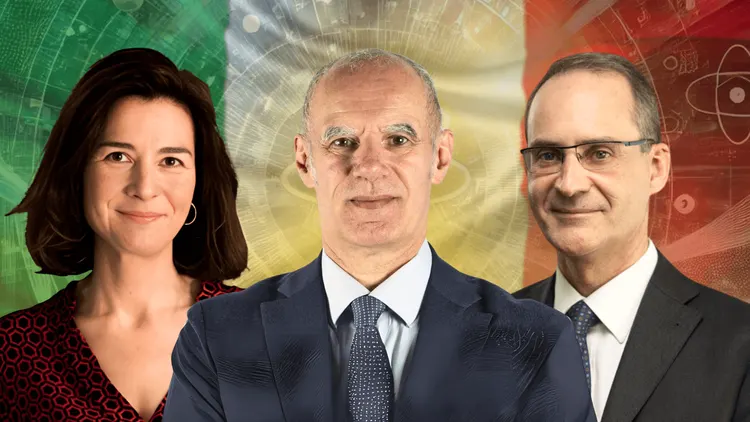
A significant stride in the realm of nuclear education and innovation has been marked by a recent cooperation agreement between Edison, Framatome, and Politecnico di Milano. This collaboration aims to rejuvenate and propel scientific and technological research and training in nuclear energy within Italy. As the nation witnesses a resurgence in support for nuclear energy, this partnership stands as a testament to the collective ambition of academia and industry leaders.
Background of the Partnership
Edison Edison, a major player in the Italian energy sector, has a long-standing reputation for its commitment to innovation and sustainability. With a focus on renewable energy and reducing carbon footprints, Edison’s involvement in this partnership underscores its dedication to advancing nuclear energy as a viable and safe alternative.
Framatome Framatome, a European leader in nuclear technology, brings its extensive expertise and cutting-edge advancements to the table. Known for its development and industrialization of nuclear technology, Framatome’s collaboration with Politecnico di Milano and Edison is poised to enhance Italy’s nuclear capabilities significantly.
Politecnico di Milano Politecnico di Milano, a prestigious institution renowned for its academic excellence, particularly in engineering and technology, has been at the forefront of nuclear education since the 1950s. The university’s historical strength and commitment to nuclear research make it an ideal partner in this endeavor.
Objectives of the Agreement
The primary objective of this agreement is to pool the technical knowledge and expertise of the partners to jointly develop research, development, and innovation activities within the nuclear sector. This collaborative effort aims to drive advancements in nuclear technology and foster innovative solutions.
Another crucial aspect of the agreement is to enhance educational opportunities for students. By providing internships, master's degree and doctoral dissertation opportunities, seminars, workshops, and other initiatives, the partnership seeks to equip students with practical skills and knowledge, preparing them for careers in the nuclear industry.

Key Components of the Partnership
The partnership will facilitate internships and support master’s degree and doctoral dissertations, enabling students to gain hands-on experience and apply their theoretical knowledge to real-world projects. This practical exposure is invaluable in shaping competent professionals in the nuclear field.
Regular seminars and workshops will be organized to delve into technical topics of mutual interest. These events will foster knowledge exchange and provide platforms for discussing the latest advancements and challenges in nuclear technology.
The agreement focuses on several technical topics, including reactor technology, nuclear safety, and waste management. By concentrating on these areas, the partnership aims to address critical issues and promote innovation in the nuclear sector.
Benefits for Students
Students at Politecnico di Milano will benefit from direct interaction with industry leaders from Edison and Framatome. This exposure will provide them with unique insights into the nuclear industry and open up opportunities for networking and career advancement.
The collaboration ensures that students can work on real projects, applying their classroom knowledge to practical scenarios. This hands-on experience is crucial for developing the technical and problem-solving skills required in the nuclear industry.
Industrial and Academic Synergy
One of the partnership’s core strengths is its ability to bridge the gap between academia and industry. By fostering close collaboration, the agreement ensures that academic research is aligned with industry needs, promoting practical and impactful innovations.
The synergy between industrial and academic partners will enhance technical knowledge and drive innovation. By leveraging the expertise and resources of both sectors, the partnership aims to achieve significant advancements in nuclear technology.
Statements from Key Figures
Lorenzo Mottura (Edison) “This agreement represents another step towards cooperation and research on new nuclear power and - with the support of universities - the development of the necessary expertise for new nuclear power in Italy,” said Lorenzo Mottura, EVP Strategy, Innovation, Research & Development and Digital at Edison.
Elisabeth Terrail (Framatome) Elisabeth Terrail, Senior Executive Vice President, Human Resources at Framatome, added, “Thanks to this agreement, students at the Politecnico will be called upon to apply what they have learnt to real projects in support of the existing fleet and the development of nuclear energy in Europe.”
Marco Ricotti (Politecnico di Milano) Professor Marco Ricotti from Politecnico di Milano highlighted the university’s historical strength and attractiveness in the nuclear sector, emphasizing the growing interest among students and industrial stakeholders.
Historical Context
Italy’s relationship with nuclear energy dates back to the early 1960s when it operated four nuclear power plants. However, following the 1986 Chernobyl accident, Italy decided to phase out nuclear power through a referendum.
The Chernobyl disaster significantly impacted public perception of nuclear energy in Italy, leading to the closure of its last two operating plants in 1990. The Fukushima Daiichi accident in 2011 further reinforced the moratorium on nuclear energy development.
Current Nuclear Energy Landscape in Italy
In late March 2011, the Italian government approved a moratorium on the construction of nuclear power plants. However, recent years have seen a shift in policy, with the Italian Parliament urging the government to reconsider incorporating nuclear power into the country’s energy mix.
The establishment of the National Platform for a Sustainable Nuclear marks a significant step towards defining a time frame for the possible resumption of nuclear energy in Italy. This initiative aims to identify opportunities and develop guidelines for integrating nuclear power into Italy’s energy strategy.
Future Prospects
Italy’s National Integrated Energy and Climate Plan, submitted to the European Commission, includes potential new nuclear capacity. The plan outlines the country’s commitment to achieving about 8 GW from nuclear power by 2050, covering more than 10% of the nation’s electricity demand.
Italy’s Minister for Environment and Energy Security, Gilberto Pichetto Fratin, has emphasized the country’s goal to reach significant nuclear capacity by 2050. This ambitious plan highlights the potential of nuclear energy to play a crucial role in Italy’s energy future.
Environmental and Socio-Economic Impacts
Nuclear energy is often touted for its low greenhouse gas emissions, making it a key player in the transition to sustainable energy. By reducing reliance on fossil fuels, nuclear power can significantly contribute to environmental sustainability.
Nuclear energy offers strategic benefits in terms of energy security and economic growth. By developing a robust nuclear infrastructure, Italy can enhance its energy independence and create job opportunities in the nuclear sector.
Technical Innovations and Contributions
The partnership is expected to drive significant advancements in nuclear technology. Through joint research and development efforts, the collaborators aim to develop innovative solutions that enhance the efficiency and safety of nuclear power plants.
Research and collaboration are at the heart of this agreement. By combining the strengths of Edison, Framatome, and Politecnico di Milano, the partnership aims to foster a culture of innovation and excellence in the nuclear sector.
Challenges and Opportunities
One of the primary challenges in reintroducing nuclear energy in Italy is overcoming public perception. Educating the public about the safety and benefits of modern nuclear technology is crucial for gaining widespread acceptance.
Despite the challenges, the partnership presents significant opportunities for growth and innovation. By leveraging the combined expertise of academia and industry, the agreement can drive the development of cutting-edge nuclear technologies.
Global Perspective
The collaboration aligns with broader trends in Europe, where several countries are reconsidering nuclear energy as a sustainable and reliable energy source. Italy’s proactive approach positions it as a key player in the European nuclear landscape.
Italy’s renewed focus on nuclear energy not only addresses its domestic energy needs but also contributes to Europe’s overall energy strategy. By participating in the European nuclear ecosystem, Italy can share knowledge and collaborate on transnational projects.
Conclusion
The cooperation agreement between Edison, Framatome, and Politecnico di Milano marks a pivotal moment in Italy’s nuclear energy journey. By fostering collaboration between academia and industry, the partnership aims to drive innovation, enhance technical knowledge, and prepare the next generation of nuclear professionals. As Italy moves towards reintroducing nuclear energy, this agreement serves as a cornerstone for sustainable and strategic energy development.
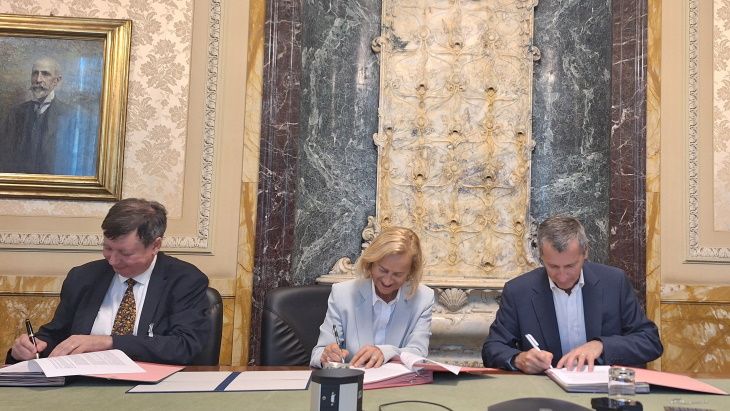 The signing of the agreement (Image: Edison)