
Serbia Sets the Stage for Nuclear Energy: Experts Lead the Way
Serbia's Strategic Shift Towards Nuclear Energy: A New Era of Sustainability and Independence
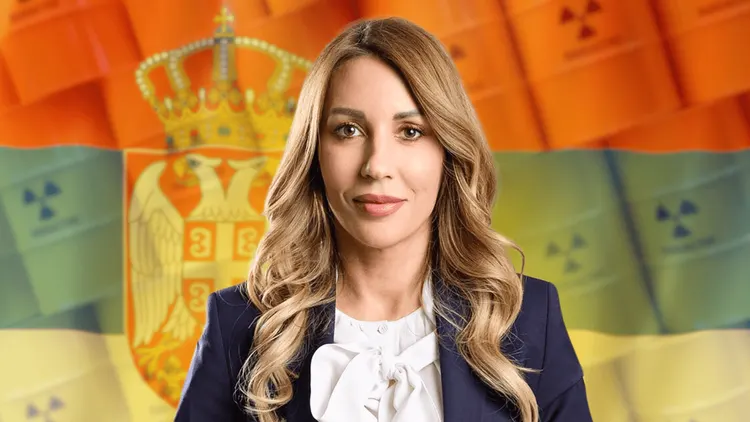
Serbia is making a bold move towards integrating nuclear energy into its power portfolio. Recently, a significant step was taken as the Minister of Mining and Energy, along with representatives from five other ministries and 20 academic faculties, scientific institutes, and energy companies, signed a Memorandum of Understanding (MoU) to explore the potential of nuclear energy. This initiative aims to bring together top experts to evaluate and possibly implement a nuclear energy programme in Serbia, marking a significant shift in the country's energy policy.
Background and Significance
The history of nuclear energy in Serbia is marked by a longstanding ban on constructing new nuclear power plants since 1989. This ban was a direct response to the Chernobyl disaster, reflecting widespread safety concerns. However, the current government, recognizing the importance of sustainable and independent energy sources, is now re-evaluating this stance. The reversal of the 1989 ban is seen as a necessary step to correct past decisions and ensure the country's energy sovereignty.
The Memorandum of Understanding
The MoU, signed by an array of significant entities including the Vinča Institute of Nuclear Sciences, JP "Nuclear Facilities of Serbia", and various academic faculties and energy companies, outlines the framework for developing a nuclear energy programme. This includes conducting a preliminary study to analyze available technologies and the requirements for establishing nuclear energy infrastructure in Serbia.
Statements from Key Figures
Minister Đedović Handanović emphasized the importance of gathering both national and international experts to assess the viability of nuclear energy in Serbia. A preliminary study will be undertaken to provide a detailed analysis of the available technologies and the necessary conditions for their implementation.
Prime Minister Miloš Vučević highlighted that this initiative aims to rectify the historical ban on nuclear energy, underscoring its potential to enhance Serbia's energy independence while maintaining environmental and public health standards.
Nuclear Energy in the European Context
Nuclear energy plays a critical role in the European Union's energy landscape, contributing to 26% of electricity production. The EU views nuclear power as a key component in achieving climate neutrality by 2050. Examples from Poland and Romania, both planning new nuclear projects, demonstrate the growing importance of nuclear energy in Europe's energy transition.
Technological and Regulatory Framework
The preliminary study will focus on evaluating various nuclear technologies, including small modular reactors (SMRs), which are particularly suitable for Serbia’s energy needs. The development of robust educational and scientific programmes will also be essential to build expertise and strengthen capacities within Serbia's scientific institutions.
Environmental and Health Considerations
Ensuring the protection of the environment and public health remains a top priority. Minister of Environmental Protection Sandra Dokić emphasized the role of nuclear energy in achieving climate neutrality while balancing development with environmental safeguards.
Future Prospects and Challenges
While the development of nuclear energy presents significant opportunities for Serbia, it also comes with challenges. These include securing necessary financing, complying with regulatory standards, and addressing public safety concerns. Nonetheless, the potential benefits such as enhanced energy security, reduced carbon emissions, and economic growth make this initiative highly promising.
Conclusion
Serbia's initiative to explore nuclear energy represents a pivotal step towards sustainable and independent energy solutions. By leveraging international expertise, investing in education and research, and ensuring strict environmental protections, Serbia is positioning itself to make a substantial impact on its energy landscape. The MoU signed by diverse stakeholders underscores a collective commitment to achieving this ambitious goal.