
Ghana’s Nuclear Future: Exploring the Decision for a New Power Plant
Ghana’s Ambitious Leap Towards a Sustainable Future with Nuclear Energy
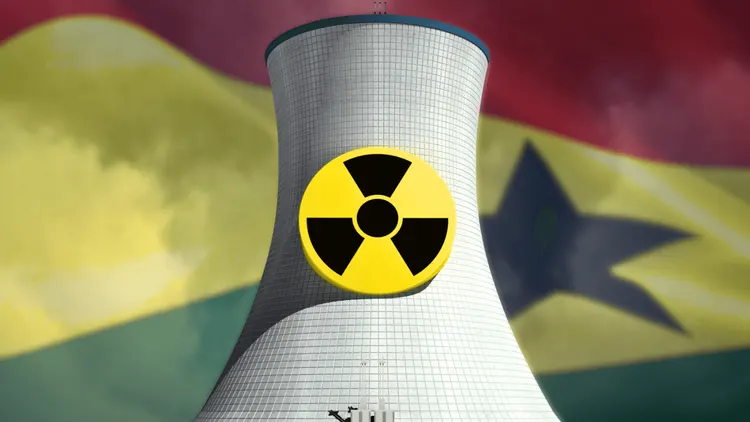
Ghana is considering bids from five companies for the construction of what would be its first nuclear power plant. The companies are: France’s EDF, US-based NuScale Power and Regnum Technology Group, China National Nuclear Corporation, South Korea’s Kepco and its subsidiary Korea Hydro Nuclear Power Corporation, and Russia’s Rosatom. The Conversation Africa’s Godfred Akoto Boafo interviewed Seth Kofi Debrah, director of the Nuclear Power Institute, Ghana Atomic Energy Commission, on the pros and cons of adding nuclear power to the country’s power mix, and why Ghana needs to diversify and identify new energy sources.
Ghana's Industrialization Ambitions
Ghana's push towards nuclear energy is driven by its industrialization ambitions. The country's current energy mix is heavily reliant on fossil fuels, particularly natural gas, which presents several challenges. These include fuel constraints and limited resources that hinder sustained industrial growth.
In addition to industrial goals, climate conditions and international commitments to climate change mitigation are significant factors. Ghana is a signatory to the Paris Agreement, which mandates a reduction in greenhouse gas emissions. Nuclear energy, which does not produce greenhouse gases, aligns with these commitments.
Reliability of Nuclear Power
One of the most attractive features of nuclear power is its reliability. Unlike renewable sources like solar and wind, which are dependent on weather conditions, nuclear power is available all year round. This makes it a reliable source of energy for a country with growing electricity demands.
Nuclear power plants operate as baseload plants, meaning they can meet continuous energy demand with a high capacity factor of about 92%. This is significantly higher than natural gas power plants at 54%, solar at 24%, and wind power plants at 34%.
Growing Demand for Electricity
Ghana's demand for electricity is growing rapidly, driven by electrification projects aimed at providing power to rural and urban areas. Currently, 84% of the population has access to electricity, but not all are connected to the grid. Government initiatives aim to increase this percentage significantly.
Ghana's industrialization efforts, including developing manufacturing, alumina, and iron industries, also contribute to the rising demand for electricity. A stable and reliable power supply is essential for these industries to thrive.
Regional Energy Ambitions
Ghana aims to become a net exporter of electricity through the West African Power Pool, a specialized agency of the Economic Community of West African States (ECOWAS). This initiative covers 14 of the 15 ECOWAS countries and aims to provide reliable energy at competitive costs.
With an average electrification rate of about 42% in West Africa, Ghana's 84% electrification rate positions it as a leader in the region. Nuclear power could help Ghana solidify this position and support its regional energy ambitions.
Dependability of Current Energy Mix
Ghana's current energy mix includes hydro, thermal, and solar power. However, the dependable capacity of renewables is variable, making it challenging to rely solely on these sources for consistent energy supply.
To ensure reliability, Ghana needs a strong baseload capacity before considering additional renewables. Industrialized nations have developed their economies based on reliable baseload capacities from sources like natural gas, coal, hydro, or nuclear.
Government's Case for Nuclear
Ghana has already exploited most of its good hydro sources. Small dams are affected by climate change, variability, and illegal mining, making them less viable options for future energy needs.
Ghana's nuclear power journey began in the early 1960s but was never realized. The program was restarted in 2007 and is now in phase 2, involving vendor selection and site preparation. The plant is expected to be constructed along the coast and come online in early 2030. Financial Considerations
While nuclear power plants have high upfront costs, their long lifespan of over 60 years and low running costs make them one of the cheapest sources of baseload electricity in the long term.
Various models exist for financing nuclear power plants, including public-private partnerships. Advanced countries often seek financial support for their nuclear projects, making it a viable option for Ghana.
Nuclear Waste Management
Ghana already operates one of the few radioactive waste storage facilities in Africa. This positions the country well for managing nuclear waste once a nuclear power plant is operational.
Radioactive waste management follows the International Atomic Energy Agency's (IAEA) milestone approach, which outlines infrastructure issues to address during the development of a nuclear program. This ensures that waste management is planned and funded throughout the plant's lifecycle.
One major public concern is the treatment and storage of high-level spent fuel, often referred to as "waste." However, this spent fuel contains over 90% usable material that can be reprocessed and reused, making it less of an issue than commonly perceived.
Conclusion
Ghana's decision to pursue nuclear energy is driven by its industrialization goals, climate commitments, and the need for a reliable, year-round energy source. While the upfront costs are high, the long-term benefits of nuclear power make it an attractive option for meeting the country's growing energy demands and supporting regional energy ambitions.