
France's Nuclear Energy Focus Defies EU Renewable Directives
France prioritizes nuclear energy over renewable targets, challenging EU directives on sustainable energy.
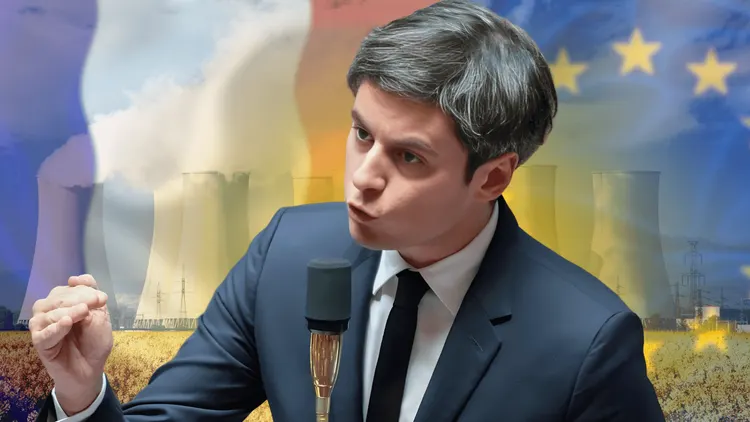
France's ongoing clash with the European Commission over renewable energy targets has reached a critical juncture. France has chosen to prioritize nuclear power as a cornerstone of its energy policy, contrasting sharply with the EU's push for increased renewable energy sources.
In 2009, the European Union set an ambitious target for France to derive 23% of its final energy consumption from renewable sources by 2020. Despite significant efforts, France failed to meet this goal, drawing criticism from Brussels. The tension has only grown as France continues to prioritize its nuclear energy strategy.
France's energy transition plan, known as Pniec, outlines the nation's goals and strategies for future energy development. However, it has been met with skepticism from the European Commission. France aimed to achieve a 23% renewable energy share by 2020 but fell short. This failure prompted calls for a reassessment of France's energy policies and greater alignment with EU objectives.
In its updated plan, France set a target of 33% renewable energy by 2030, still below the 44% mandated by a 2018 European directive. This discrepancy underscores the ongoing rift between national and EU-level energy strategies. France's energy policy emphasizes decarbonization, with nuclear power playing a pivotal role. This strategy aims to reduce greenhouse gas emissions while maintaining energy security.
France's heavy investment in nuclear power is a defining feature of its energy strategy. With a low carbon footprint, nuclear energy is seen as a vital component of France's decarbonization efforts. Decarbonized energy refers to energy sources that produce minimal greenhouse gas emissions. France includes nuclear power in this category, arguing that it contributes significantly to reducing carbon emissions. Under the updated plan, France aims to achieve a 58% share of decarbonized energy in its final consumption by 2030. This includes both renewable energy sources and nuclear power, reflecting France's broader approach to achieving climate objectives.
Despite its ambitious plans, France faces substantial criticism from Brussels and other stakeholders concerned about its commitment to renewable energy. The European Commission has repeatedly criticized France for its slow progress in adopting renewable energy. The recent energy transition plan was deemed insufficient, prompting further scrutiny and calls for more robust action.
France has defended its strategy, emphasizing the role of nuclear power in achieving decarbonization goals. The government argues that nuclear energy is essential for meeting climate objectives and ensuring energy security. France's stance could lead to potential sanctions from the European Commission. The directive allows for retroactive purchasing of renewable energy production volumes from other countries if targets are not met. Sanctions could include financial penalties and mandatory adjustments to France's energy policies. The possibility of sanctions underscores the high stakes involved in this ongoing dispute.
France has refused to retroactively purchase renewable energy production volumes from other countries, arguing that its decarbonization efforts, including nuclear power, should be sufficient. Nuclear power is central to France's energy strategy, providing a reliable and low-carbon energy source that supports the nation's decarbonization goals. Nuclear power's low greenhouse gas emissions make it a key component of France's efforts to reduce its carbon footprint. This aligns with broader climate objectives while ensuring energy security.
Nuclear energy offers significant environmental benefits, including reduced carbon emissions. Economically, it provides stable and predictable energy costs, supporting national energy security. The debate between nuclear power and renewable energy is complex, with both sides presenting compelling arguments. Nuclear power offers reliability and low emissions but comes with concerns about safety, waste management, and high initial costs. These factors must be weighed against its environmental benefits.
Renewable energy sources like wind and solar are crucial for a sustainable future but face challenges such as intermittency and higher upfront investment. Balancing these with nuclear power is a key policy challenge. France is advocating for a broader acceptance of nuclear power within European energy policies, proposing a shift from renewable targets to decarbonization targets. France is urging other EU member states to adopt similar decarbonization strategies, emphasizing the role of nuclear power in achieving climate goals.
If France's proposal gains traction, it could lead to significant changes in European energy policy, potentially redefining the balance between renewable and nuclear energy. Reactions to France's energy strategy have been mixed, with both domestic and international stakeholders weighing in. Within France, there is considerable support for the nuclear energy strategy, reflecting national priorities for energy security and environmental sustainability. Other EU member states have shown varying levels of support and opposition, reflecting differing national priorities and energy strategies.
France's energy strategy includes several upcoming consultations and strategic documents that will shape its future energy policies. Key strategic documents include the Multiannual Energy Program (PPE), the National Low-Carbon Strategy (SNBC-3), and the National Climate Change Adaptation Plan (PNACC-3). The PPE outlines France's energy policy priorities and goals, providing a roadmap for future energy development. The SNBC-3 focuses on reducing carbon emissions and achieving climate objectives, incorporating both renewable energy and nuclear power. The PNACC-3 addresses strategies for adapting to climate change, ensuring resilience and sustainability in the face of environmental challenges.
The timetable for public consultations and political negotiations will shape the final versions of these strategic documents. The consultation process will involve input from various stakeholders, including industry experts, environmental groups, and the general public. This inclusive approach aims to balance diverse perspectives and achieve broad consensus on France's energy future. The challenge of balancing different decarbonized energy sources within the EU is significant. France's nuclear strategy highlights the complexities involved in achieving common climate objectives while respecting national priorities. The discussion on including nuclear power in decarbonization targets could redefine future European energy policies. This shift could lead to a more flexible and diversified approach to meeting climate goals. The long-term implications of France's stance on nuclear power will depend on the outcome of ongoing consultations and negotiations. A broader acceptance of nuclear energy could pave the way for a more balanced and resilient European energy landscape.
France's defense of nuclear power and rejection of stringent EU renewable targets reflect its unique energy strategy and national priorities. By emphasizing decarbonization through nuclear energy, France aims to meet its climate objectives while ensuring energy security. The ongoing debate within the EU highlights the challenges of balancing diverse energy sources and achieving common climate goals. As consultations and negotiations continue, the future of European energy policy remains uncertain but full of potential for innovation and collaboration.