University of Regina Secures Major Funding for Nuclear Research
University of Regina Secures CAD 580,000 for Cutting-Edge Nuclear Research Projects
 Editorial Team (ET)October 4, 2026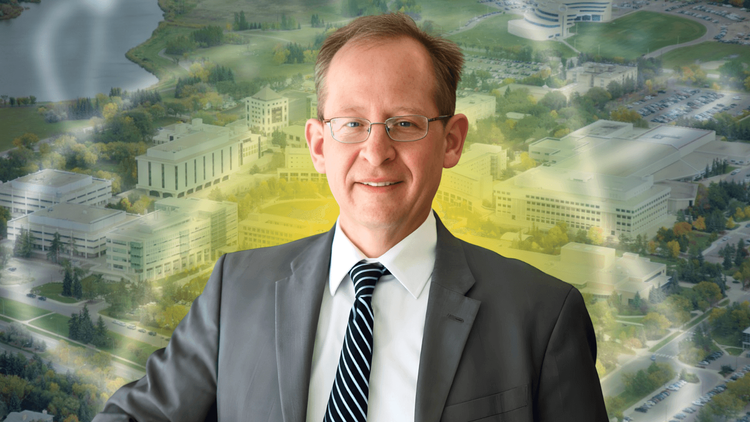
The University of Regina (U of R) has recently achieved a significant milestone by securing CAD 580,000 (USD 424,000) in funding from Innovation Saskatchewan through the Innovation and Science Fund (ISF). This financial boost is set to drive forward three pivotal nuclear research projects, underscoring Saskatchewan's commitment to research excellence and competitiveness.
Innovation and Science Fund (ISF): A Catalyst for Research
Innovation Saskatchewan's ISF is designed to match federal innovation funding for projects undertaken by Saskatchewan universities, colleges, and research institutes. Since its inception in 2018, ISF has allocated over CAD 18 million to support innovative research, reflecting the province's dedication to fostering cutting-edge advancements.
Funding Breakdown for U of R Projects
Preventing Rust and Damage in SMRs
- Funding Amount: CAD 200,000
- Objective: The project aims to explore methods to prevent rust and damage in materials used to protect fuel in small modular reactors (SMRs). Additionally, it will provide advanced training opportunities in SMR technology.
Upgrading Simulation Laboratory Equipment
- Funding Amount: CAD 83,109
- Objective: This funding will be used to upgrade the simulation laboratory equipment essential for studying nuclear matter under extreme conditions.
Constructing and Testing Components of the HGC Detector
- Funding Amount: CAD 300,000
- Objective: The project will focus on constructing and testing components of the Heavy Gas Cherenkov (HGC) detector, a crucial element of the Solenoidal Large Intensity Device (SoLID), one of the world's most powerful microscopes.
Significance of the Projects
These projects are set to leverage U of R's strong research presence in subatomic physics and nuclear energy. The funding not only supports cutting-edge research but also aims to attract and retain highly qualified researchers while training the next generation of scientists. This initiative aligns with Saskatchewan's broader goals of advancing energy, technology, and economic growth.
Quotes from Key Figures
Jeff Keshen, President and Vice-Chancellor, U of R:
"Many of the world's most significant advancements in renewable energy, medicine, and defence have stemmed from research in subatomic physics and nuclear energy. The Government of Saskatchewan's support positions our researchers as leaders in innovation, working to ensure a better quality of life both provincially and nationally. Their discoveries will be crucial to a strong and sustainable future for Saskatchewan."
Jeremy Harrison, Minister Responsible for Innovation Saskatchewan:
"Saskatchewan continues to showcase its leadership in nuclear and subatomic research, helping advance global efforts and developing solutions in these key areas. This investment at the University of Regina will further support our province's world-class research community, while providing advanced training, employment, and economic opportunities for Saskatchewan people."
Preventing Rust and Damage in SMRs
Small Modular Reactors (SMRs) represent the future of nuclear energy due to their compact size and ability to be deployed in diverse locations. The first project, awarded CAD 200,000, focuses on preventing rust and damage in materials protecting SMR fuel. This research is crucial as it aims to enhance the longevity and safety of SMRs, making nuclear energy a more viable and sustainable option.
Advanced Training Opportunities in SMR Technology
In addition to the research on preventing rust and damage, the project will offer advanced training opportunities in SMR technology. This aspect is vital for developing a skilled workforce capable of supporting the nuclear energy sector, which is poised for growth as countries seek cleaner energy alternatives.
Upgrading Simulation Laboratory Equipment
The second project, receiving CAD 83,109, aims to upgrade the simulation laboratory equipment at U of R. This upgrade is essential for studying nuclear matter under extreme conditions, which can lead to significant discoveries in nuclear science. Enhanced simulation capabilities will allow researchers to model and analyze complex nuclear reactions more accurately, contributing to advancements in nuclear technology.
Constructing and Testing Components of the HGC Detector
The third and largest project, with CAD 300,000 in funding, focuses on the Heavy Gas Cherenkov (HGC) detector. The HGC detector is a critical component of the Solenoidal Large Intensity Device (SoLID), one of the most powerful microscopes in the world. This project aims to construct and test HGC components, which will be pivotal in advancing our understanding of subatomic particles and nuclear matter.
The Role of Solenoidal Large Intensity Device (SoLID)
The Solenoidal Large Intensity Device (SoLID) is a state-of-the-art microscope designed to study the behavior of subatomic particles. By constructing and testing components of the HGC detector, U of R researchers will contribute to the global body of knowledge in subatomic physics, leading to breakthroughs in various fields, including renewable energy, medicine, and defence.
Training the Next Generation of Scientists
One of the primary goals of these projects is to train the next generation of scientists. By involving students and young researchers in cutting-edge nuclear research, U of R aims to cultivate a skilled workforce ready to tackle future challenges in nuclear science and technology. This initiative is critical for sustaining long-term growth and innovation in Saskatchewan's research community.
Saskatchewan's Commitment to Research Excellence
Saskatchewan's investment in these projects underscores its commitment to research excellence. By providing substantial funding through the ISF, the province is ensuring that its institutions remain competitive on the global stage. This commitment is essential for attracting top-tier talent and fostering a culture of innovation.
Economic and Employment Opportunities
The funding for these projects is not only about advancing scientific knowledge but also about creating economic and employment opportunities. By supporting research in nuclear energy and subatomic physics, Saskatchewan is positioning itself as a leader in these fields, which can attract investments and create jobs in the province.
Global Impact of U of R's Research
The research conducted at U of R has the potential to impact the world significantly. By focusing on nuclear energy, subatomic physics, and high-performance computing in nuclear science, U of R researchers are contributing to global efforts to develop sustainable energy solutions, advance medical technologies, and enhance national defence capabilities.
Conclusion
The University of Regina's recent funding success highlights the importance of investing in nuclear research and the potential benefits it can bring to Saskatchewan and beyond. With CAD 580,000 in funding from Innovation Saskatchewan, U of R is poised to make significant strides in nuclear energy, subatomic physics, and high-performance computing. These projects will not only advance scientific knowledge but also provide economic and employment opportunities, ensuring a strong and sustainable future for the province.