
Nuclear Energy Partnership to Transform Italy’s Steel Sector
A groundbreaking MoU aims to integrate nuclear energy into Italy's steel sector, promising decarbonization and economic growth.
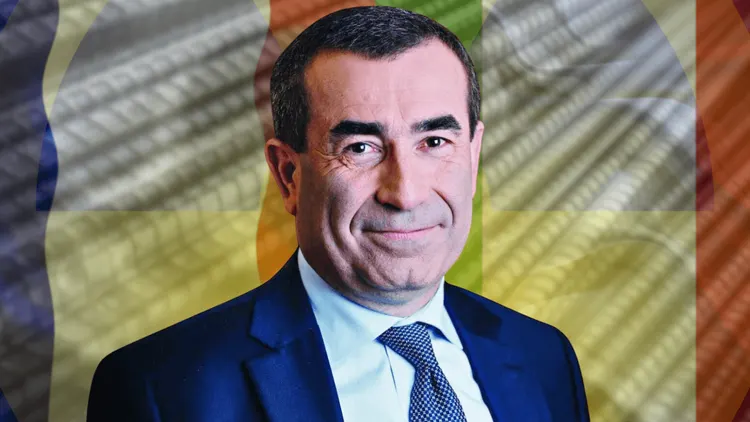
In a groundbreaking move to enhance the competitiveness and decarbonization of Italy's steel sector, a memorandum of understanding (MoU) has been signed between EDF, Edison, Federacciai, Ansaldo Energia, and Ansaldo Nucleare. This agreement marks a significant step towards integrating nuclear energy, particularly through the construction of small modular reactors (SMRs), into Italy's energy mix over the next decade.
Historical Context and Renewed Interest
Italy's nuclear energy journey began in the early 1960s with four operational nuclear power plants. However, the Chernobyl disaster in 1986 prompted a referendum that led to the phase-out of nuclear power, culminating in the closure of its last two plants in 1990. The Fukushima Daiichi accident in 2011 further reinforced Italy's nuclear moratorium. Despite this, recent developments indicate a renewed interest, with the Italian government incorporating potential new nuclear capacity into its National Integrated Energy and Climate Plan.
Key Players and Their Roles
The MoU brings together major energy and industrial players:
EDF: A French multinational electric utility company, EDF's extensive expertise in nuclear energy is pivotal. "This new step in French-Italian cooperation in the field of decarbonized electricity generation from nuclear sources highlights EDF's strong commitment to establishing and consolidating a long-term relationship," said Xavier Ursat, EDF Group Senior Executive Vice President.
Edison: As a subsidiary of EDF, Edison contributes local knowledge and experience. "The development of a national supply chain for the production of new nuclear energy represents a phenomenal opportunity to achieve not only decarbonization targets but also greater independence and security for the country's energy system," said Nicola Monti, CEO of Edison.
Federacciai: Representing the Italian steel industry, Federacciai's involvement underscores the sector's commitment to sustainability. "The agreement signed today is of crucial importance for the Italian steel industry and the entire production chain," stated Antonio Gozzi, president of Federacciai. "Nuclear power will be a strategic and much-needed component in achieving such ambitious goals."
Ansaldo Energia and Ansaldo Nucleare: These companies bring engineering and industrial capabilities. "This agreement allows Ansaldo Nucleare to make available its experience and capabilities as a systems integrator and developer of new nuclear technologies," said Daniela Gentile, CEO of Ansaldo Nucleare.
The Memorandum of Understanding and Its Goals
The MoU outlines a strategic collaboration to explore co-investment opportunities in new nuclear energy projects, particularly SMRs. This collaboration aims to leverage the strengths of each partner to boost the competitiveness and decarbonization of Italy's steel industry.
SMRs are a new generation of nuclear reactors that offer several advantages over traditional large-scale reactors. They are smaller, more flexible, and can be constructed in a factory setting, reducing costs and construction times. "Our aim is clearly to support the relaunch of the nuclear option in Italy and to strengthen industrial cooperation between the two countries in Italy, in France, and in Europe," added Ursat.
Economic, Environmental, and Energy Security Benefits
The adoption of nuclear energy can significantly enhance the competitiveness of Italy’s steel industry by providing a stable and cost-effective energy supply. "Thanks to agreements like this, within a few years, Italy can become the first country in the world to produce fully decarbonized steel," Gozzi emphasized.
Investing in nuclear energy projects is expected to create numerous job opportunities, fostering industrial growth and economic development. The long-term economic benefits include reduced energy costs, increased energy security, and a more resilient industrial sector.
Nuclear energy offers a low-carbon alternative to fossil fuels, significantly reducing greenhouse gas emissions from the steel industry. By developing its nuclear energy capabilities, Italy can reduce its reliance on imported energy, enhancing national energy security. "Nuclear power will be a strategic and much-needed component in achieving such ambitious goals, providing the industry with a secure and environmentally friendly energy supply," Gozzi added.
Challenges and Considerations
Public acceptance remains a critical challenge, with concerns about safety and environmental impact. Ensuring robust regulatory frameworks and safety measures is essential for gaining public trust and successfully implementing nuclear projects. The high initial costs and technical complexities of nuclear projects require careful planning and investment.
Future Prospects and European Integration
The MoU enhances cooperation between France and Italy, fostering stronger bilateral relations in the energy sector. The European Union supports the integration of nuclear energy as part of its broader strategy for achieving climate targets. This agreement sets a precedent for increased European cooperation in nuclear energy, promoting shared goals and resources.
Conclusion
The French-Italian cooperation through the MoU signifies a transformative step towards decarbonizing Italy’s steel industry. By integrating SMR technology and leveraging the expertise of leading energy companies, Italy is poised to achieve its ambitious energy transition and decarbonization goals. This collaboration not only strengthens the bilateral relations between France and Italy but also sets a precedent for broader European cooperation in nuclear energy. As the country moves towards a more sustainable and energy-secure future, the steel industry stands to benefit immensely from these advancements.