
Fleischmann Advocates $9 Billion Boost for Nuclear Energy Innovation
House Appropriations Committee Greenlights $9 Billion Investment in Nuclear Energy Projects Amid Controversy
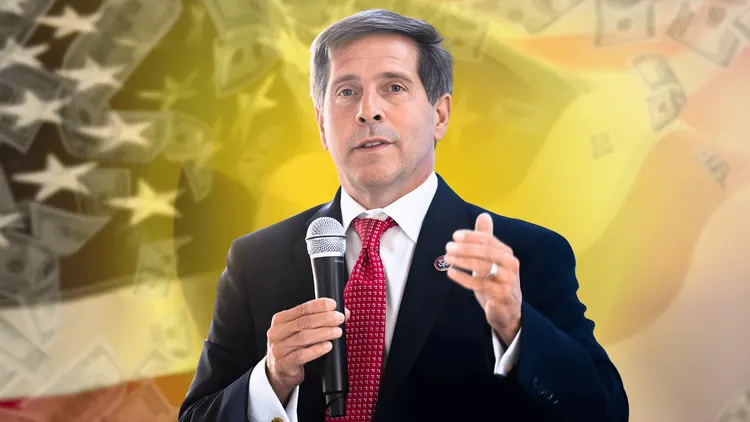
The U.S. House Appropriations Committee recently passed a groundbreaking proposal to inject $9 billion into advanced nuclear energy projects. Spearheaded by Chuck Fleischmann, the top DOE appropriator in the House, this initiative aims to fast-track two existing nuclear reactor demonstration projects and pave the way for the deployment of small modular reactors (SMRs). This move comes amid heated debate and criticism, primarily centered around the significant diversion of funds from the Department of Energy’s Loan Programs Office.
Overview of the Proposal
Chuck Fleischmann, the Energy-Water Appropriations Subcommittee Chair, has emphasized that the funding boost is crucial for the U.S. to capitalize on a $740 billion international market for nuclear equipment and services over the next decade. Fleischmann's vision underscores the need for the U.S. to remain competitive in the global nuclear industry, warning that failure to complete these projects could leave the country trailing behind both allies and adversaries in nuclear technology.
The Advanced Reactor Demonstration Program
At the heart of this proposal are two pivotal projects: TerraPower’s Natrium and X-energy’s Xe-100. These advanced reactors represent significant strides in nuclear technology, promising safer, more efficient, and more sustainable energy production. The Natrium reactor, backed by TerraPower, a company founded by Bill Gates, and the Xe-100 reactor by X-energy, are designed to showcase the potential of next-generation nuclear power.
Funding Allocation and Controversies
The $9 billion boost aims to allocate substantial funds to these advanced reactor projects. However, the proposal has not been without its detractors. Rep. Marcy Kaptur, a staunch supporter of nuclear energy, voiced concerns over the large cuts to the DOE’s Loan Programs Office. This office plays a crucial role in financing a wide array of clean energy technologies, and Kaptur argues that the cuts would severely limit its capacity to support diverse energy projects, including advanced nuclear initiatives.
Impact on DOE’s Loan Programs Office
The proposed funding reallocation would reduce the Loan Programs Office’s available financing by at least $90 billion, impacting 175 active applications requesting approximately $250 billion. This shift has sparked significant debate, with critics arguing that the reallocation could stifle innovation and delay the deployment of crucial clean energy technologies.
Challenges Facing Nuclear Energy Projects
The nuclear industry, like many others, has not been immune to inflationary pressures and supply chain disruptions. Both TerraPower and X-energy have faced significant challenges, including increased construction costs and delays. The Natrium project, for instance, has encountered a two-year delay due to a lack of commercial HALEU fuel suppliers outside Russia, highlighting the complexities and dependencies within the nuclear supply chain.
Small Modular Reactors (SMRs)
SMRs represent a promising frontier in nuclear technology, offering scalable and more flexible energy solutions compared to traditional reactors. Despite their potential, SMR projects have faced hurdles, such as the recent termination of NuScale Power’s SMR project due to commercial viability concerns. Nonetheless, ongoing efforts, including Holtec Government Services’ light water-cooled SMR project, continue to receive support, underscoring the commitment to advancing this technology.
Congressional Support and Funding Streams
In a bid to bolster SMR development, Congress has created new funding streams, repurposing unspent funds from the Infrastructure Investment and Jobs Act. This includes up to $800 million for commercial utility deployment projects, $100 million for design and licensing, and $50 million for university-based reactor safety training. These allocations aim to accelerate the deployment and development of SMRs, addressing both technical and regulatory challenges.
Criticism and Support for the Proposal
The proposal has garnered both support and criticism. Proponents argue that nuclear energy, being carbon-free and reliable, is essential for a stable and sustainable energy future. Fleischmann and his supporters stress the importance of American leadership in nuclear deployment. Critics, however, like Kaptur, argue that the funding reallocation compromises broader clean energy goals, calling for a more balanced approach.
Global Market Opportunities
The $740 billion international market for nuclear equipment and services presents a substantial opportunity for the U.S. By investing in advanced nuclear projects, the U.S. positions itself to capture a significant share of this market, driving economic growth and technological leadership. Fleischmann’s proposal is seen as a strategic move to ensure the U.S. remains at the forefront of nuclear innovation and competitiveness.
Environmental and Economic Benefits
Nuclear energy offers several environmental benefits, including zero carbon emissions and the ability to provide consistent baseload power. Economically, advanced nuclear projects can spur job creation, drive technological advancements, and enhance energy security. The proposed funding boost is poised to deliver both environmental and economic dividends, reinforcing the case for robust investment in nuclear energy.
Future of Nuclear Energy in the U.S.
The future of nuclear energy in the U.S. looks promising, with significant advancements on the horizon. The completion of the Natrium and Xe-100 projects will serve as a testament to the potential of advanced nuclear technology. Long-term strategies focus on expanding SMR deployment, enhancing regulatory frameworks, and fostering innovation to ensure a sustainable and secure energy future.
Technological Advancements and Innovations
Recent technological advancements in nuclear energy have opened new possibilities for safer and more efficient reactors. Innovations such as molten salt reactors, thorium reactors, and next-generation SMRs are set to revolutionize the industry. These advancements promise to address some of the traditional challenges associated with nuclear power, making it a more viable and attractive energy source.
Regulatory and Safety Considerations
The Nuclear Regulatory Commission (NRC) plays a critical role in overseeing the safety and regulation of nuclear projects. Ensuring stringent safety protocols and addressing regulatory hurdles are paramount to the successful deployment of new reactors. Both TerraPower and X-energy are working closely with the NRC to meet these standards, paving the way for the next wave of nuclear energy projects.
Conclusion
Chuck Fleischmann’s proposal for a $9 billion boost to advanced nuclear energy projects represents a bold and strategic move to secure America’s energy future. By investing in cutting-edge nuclear technologies, the U.S. can capture a significant share of the global market, drive economic growth, and achieve environmental sustainability. Despite the controversies and challenges, the potential benefits of this investment make a compelling case for robust support of advanced nuclear energy.