
US oil producers resist calls for more oil production
Western politicians criticize that profits flow back to shareholders instead of investing in new production
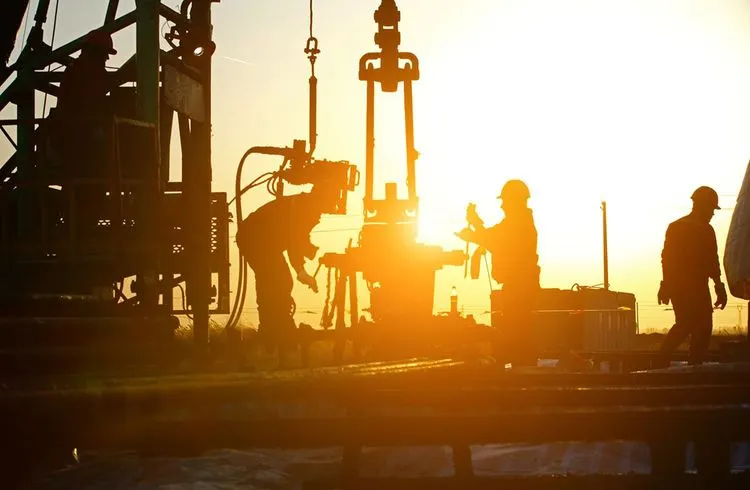
America's biggest oil and gas producers are keeping supply under wraps and defying calls from the Biden administration to increase production, even as soaring fuel prices from the Russian war in Ukraine are fueling hefty profits.
Leading shale oil and gas producers including ConocoPhillips, Pioneer Natural Resources and Devon Energy this month reported a sharp rise in their second-quarter earnings as high crude oil and natural gas prices keep the industry coffers stocked.
But executives say they remain under pressure from Wall Street to return profits to investors through dividends and share buybacks, rather than spending big bucks to boost production.
"As long as we don't have shareholders telling us we don't like these high dividends, we're totally opposed to it. We don't agree with your share buyback program. We want you to return to a growth model," said Rick Muncrief, Devon's chief executive officer Energy, one of the largest producers in the shale district, told analysts. "Until we see that, I see no reason to change our strategy."
This is the latest sign that oil companies and their shareholders are unperturbed by politicians' calls for more oil and gas supplies after Russia's invasion of Ukraine pushed up fuel prices. Energy prices have pushed inflation rates in the US and Europe to levels not seen in 40 years.
US President Joe Biden and other Western politicians have criticized the oil companies' decision to pass profits on to shareholders instead of investing in new rigs that would help contain prices.
Over the past decade, the US shale oil industry has become notorious for its rampant spending, which has increased production but resulted in huge losses for shareholders and deep debt traps for companies.
The approach now being taken has slowed the country's oil supply growth compared to recent years when commodity prices were high. According to the Energy Information Administration, the US produces about 12.1 million barrels of crude oil per day. That's about 800,000 barrels a day more than a year ago, but still a far cry from pre-coronavirus pandemic highs.
The increase in production this year is primarily due to private operators who are not under the same pressure from shareholders to limit their investments.
Occidental Petroleum says it's still focused on paying off more of the debt it incurred to purchase Anadarko Petroleum in 2019 and raising its dividend. Right now it's better to put money into your own stocks than to increase production.
"We don't feel the need to increase production," said the company's CEO, Vicki Hollub. "We think investing in our own stock is one of the best values right now." Billionaire Warren Buffett's Berkshire Hathaway has built a nearly 20 percent stake in Occidental and helped its stock price more than double in the past year.
This year, the shale gas industry has recovered from heavy losses during the pandemic, although fears of a recession have clouded the outlook again.
The S&P Oil and Gas Producers exchange-traded fund is down about 26 percent from its recent peak in early June, but is still up 25 percent this year, standing out in a dismal year for the broader market.
However, many oil executives believe that the supply disruption resulting from the Russian invasion of Ukraine will push crude oil prices lower even as economic growth slows.
"What's slightly different this time around is the fact that the world still has a chronic shortage of physical barrels and there isn't a lot of spare capacity to fill that gap," said Travis Stice, chief executive officer of Diamondback Energy. "The macro situation is looking pretty positive for energy prices over the next few years, even though I know a recession is coming.