
Saudi Arabia ready to deliver more oil
Riyadh is aware that it must not lose control of oil prices in the face of energy sanctions against Moscow
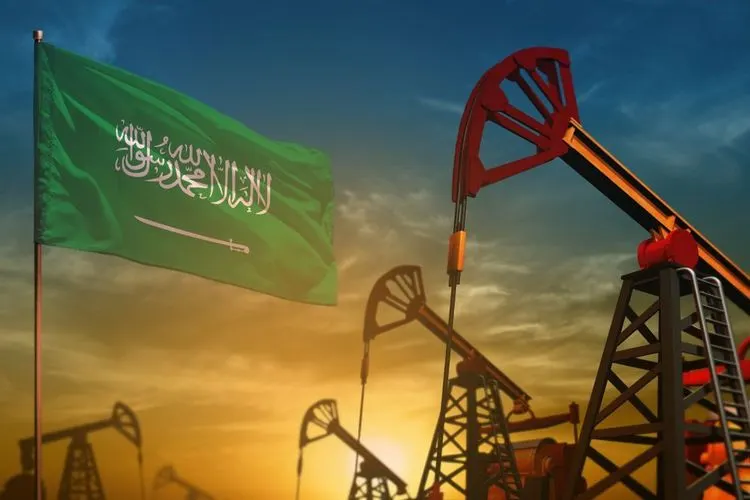
Saudi Arabia has indicated to its western allies that it is ready to increase oil production should Russian production fall significantly under the weight of sanctions, according to five people familiar with the talks.
The kingdom has resisted White House calls to increase production despite oil prices at $120 a barrel, a decade-high, arguing the energy crisis could deepen significantly this year. Saudi Arabia believes it needs to hold spare manufacturing capacity in reserve.
However, fears of supply shortages have risen after the EU imposed another round of sanctions against Moscow, including a ban on Russian oil shipments entering the EU by sea.
The EU has also agreed with the UK to ban insurance on ships transporting Russian oil later this year, a move analysts say is likely to severely limit Moscow's ability to divert oil to other regions .
"Saudi Arabia is aware of the risks and knows it is not in its interest to lose control of oil prices," said a person familiar with the kingdom's deliberations.
Oil prices fell Thursday, falling to a low of $112.80 a barrel in early trade from $116.29 at the close on Wednesday. This week, prices hit a two-month high of over $120 a barrel.
Saudi Arabia's position is that while the oil market is undoubtedly tight, which has fueled prices to rise, there is no real shortage yet, according to diplomats and industry sources familiar with talks ahead of the monthly meeting of the oil producers alliance Opec+ took place on Thursday.
That could change, however, as the global economy's recovery from Covid-19, including the reopening of major cities in China, is boosting demand while the likelihood of a significant contraction in Russian oil production has increased. Before invading Ukraine, Russia produced more than 10% of the world's oil.
There have been tensions between the US and the Saudi leadership, including with Crown Prince Mohammed bin Salman, the kingdom's de facto ruler. Saudi Arabia has repeatedly rejected calls from the White House and the G7 to increase production immediately.
However, several visits by a senior US delegation in recent weeks, including White House Middle East policy coordinator Brett McGurk and White House energy secretary Amos Hochstein, have helped improve ties, according to a source familiar with diplomatic affairs Person.
People familiar with the talks said Saudi Arabia agreed to a change of tone to try to calm prices as part of a rapprochement with the Joe Biden administration. Saudi Arabia has also pledged that it would eventually respond by increasing production should there be a supply crunch in the oil market.
"Such moves are within the realm of possibility in response to a positive development on the American side," said Ali Shihabi, a Saudi commentator familiar with the leadership's thinking, referring to efforts to strengthen ties in advance of a possible one to improve President Biden's visit this year.
A diplomatic source said there have been talks of an immediate increase in production from Saudi Arabia and the United Arab Emirates, which could be announced at Thursday's Opec+ meeting. Nothing is decided yet, however, and Opec+ could continue to stick to its production plan in place since the start of the Covid crisis.
Production increases planned for September would be brought forward to July and August, the source said, although the group would need to approve the change.
Christyan Malek, head of oil and gas at JPMorgan, said Saudi Arabia is still "cautious about using all of its reserve capacity" as "it believes it needs enough reserves to respond to potential developments in the market ".
"While it would be premature to use up all spare capacity now, they stand ready to react if the market spirals out of control. They view spare capacity as the last line of defense against recession risk if oil prices soar."
Saudi Arabia's Energy Minister Prince Abdulaziz bin Salman, the crown prince's half-brother, has stressed that he still sees Russia as a key partner in the Opec+ alliance. The two countries have led the broader group of oil producers since 2016.
However, Moscow could be offered an exemption from its target should its production fall significantly. Both Libya and Iran have already been exempted from Opec+ targets when war and sanctions hampered their production opportunities.
Russian Foreign Minister Sergei Lavrov travels to Riyadh this week to meet his Saudi and UAE counterparts. They reiterated their agreement to continue working together on Opec+. The group of petroleum exporters drastically cut their production in April 2020, but produced a little more every month.
"Even if Saudi Arabia-US relations get closer, the Kingdom will not turn its back on Russia," said Amrita Sen of consulting firm Energy Aspects.