
Europe approaches oil embargo
The new sanctions would be one of the toughest moves yet by the European Union to punish Russia for its attack on Ukraine
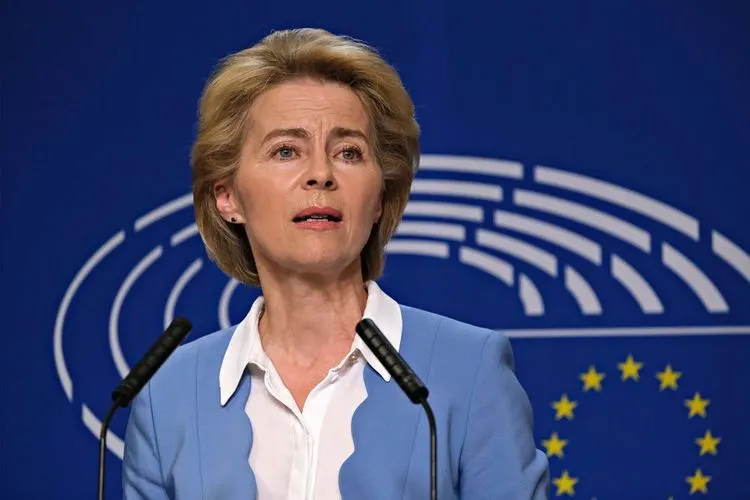
The European Union has proposed a phased embargo on Russian oil imports, the removal of more Russian banks from the Swift payments system and new sanctions against those spreading disinformation about Russia's war in Ukraine, EU officials said on Tuesday.
EU foreign policy chief Josep Borrell became the first EU official on Tuesday to unveil the main parts of a new sixth package of sanctions against Russia being drafted by the European Commission, the EU's executive body. The proposals were distributed to member states late Tuesday evening.
At the heart of the package is a proposal that EU member states stop importing Russian crude oil within six months and stop buying Russian refined products by the end of the year, according to two officials familiar with the details.
Hungary and Slovakia, two countries heavily dependent on pipeline oil imports, would be given a 20-month phase-out period on Russian imports under the proposal, officials said.
The EU's 27 member states, which can only adopt the measures unanimously, will discuss the proposal on Wednesday and could make a decision as early as this week, although diplomats said there remained differences between capitals over some of the proposed sanctions.
"Russia's unprovoked war on Ukraine is affecting global security. We are working on the 6th sanctions package aimed at shutting down more banks, listing disinformation actors and cracking down on oil imports," Borrell said on Twitter.
The EU move to ban Russian oil imports represents a particularly important escalation for the bloc given the importance of energy exports to the Russian economy. For Europe, which relies heavily on Russian hydrocarbons for transport, heating, power generation and fuel depends on industrial production, this could also be costly.
The move comes after Russia cut gas supplies to two member states last week and reflects what Western officials say is a lack of signs that the Kremlin is ready to scale back its military incursion into Ukraine.
According to the Kremlin, Russian President Vladimir Putin warned French President Emmanuel Macron in more than two hours of talks on Tuesday that the West should stop arms building in Ukraine.
The Commission proposal also calls on member states to impose sanctions on three Russian banks, including Sberbank, the country's largest lender. However, the sanctions will not include breaking off transactions with those banks, instead banning them from the Swift financial news network under the proposal, officials said.
Banning banks from Swift can make their ability to make and receive international payments significantly more difficult, but it's not enough to impose a total ban on transactions that effectively locks banks out of international markets.
The EU will also maintain sanctions against Russia's Gazprombank, through which EU member states make payments for Russian gas.
Diplomats said tough discussions could ensue on a number of items in the package, although broad consensus emerged in favor of an oil embargo.
Hungary has repeatedly warned it could veto an oil package if it doesn't get enough time and financial support to build the infrastructure it needs to decouple from Russian oil pipeline supplies. According to diplomats, at least two other member states, the Czech Republic and Bulgaria, have argued that Hungary and Slovakia should be given the same leeway if they are given more time to stop buying Russian oil exports.
Hungary and Slovakia are both on the Druzhba pipeline, which brings Russian oil to Europe. Also, they import a high percentage of their crude oil and oil products from Russia.
Some countries pushed for sweeping sanctions on Sberbank and other Russian banks, while some member states, including Poland, the Baltic states and non-membership Ukraine, urged the EU to impose a total ban on imports of energy, including gas. This is off the table for now, despite Russia's decision to halt gas supplies to Bulgaria and Poland.
However, with Germany and other countries rapidly reducing their imports of Russian oil and gas, most officials believe a sixth package of sanctions could be agreed in the next few days.
"Our goal is simple: we have to stop the Russian war machine," said European Council President Charles Michel on the sanctions. "And I am confident that the Council will soon impose further sanctions, particularly against Russian oil."
Before Russia invaded Ukraine, the EU was importing between 3 million and 3.5 million barrels of oil from Russia every day and remitting nearly $400 million in payments every day, according to Brussels think tank Bruegel. This corresponds to around 27% of EU oil imports.
According to the International Energy Agency, in 2021, revenues from the oil and gas business accounted for 45% of Russia's state budget.
Germany said last week that it is rapidly reducing its dependence on Russian oil by making new oil supply contacts. According to Berlin, only 12% of the country's oil imports now come from Russia, down from 35% before Moscow invaded Ukraine on February 24.
According to Berlin, the share of Russian gas in gas imports has also fallen from 55% to 35%. According to a German government official, the country is rapidly replacing Russian energy with imports from the US, Norway and the Gulf States.