
Trump’s Second Term: What It Means for Big Tech Investors
Big Tech braces for a rollercoaster as Trump’s second term promises a mix of risks and opportunities.
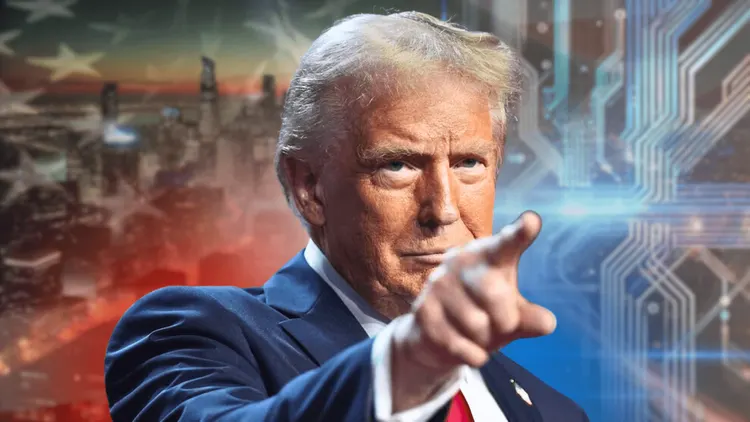
The return of Donald Trump to the White House has left Big Tech investors in a state of cautious anticipation. Unlike previous post-election surges, this time, the market reaction among technology stocks has been relatively muted. While some sectors of the stock market have rallied, many of the largest tech players seem to be holding their breath, waiting to see how campaign promises and rhetoric will translate into actionable policies.
A Subdued Market Reaction from Tech Giants
As the election dust settles, the usually volatile tech sector has remained curiously calm. Companies like Apple, Meta, and Amazon have seen only marginal movements. Apple, for instance, recorded a gain of less than 1%, while Meta Platforms, the parent company of Facebook, dipped slightly by 0.6%. Amazon showed more optimism, with a modest rise of 3.5%, but this pales in comparison to Tesla’s dramatic 20% surge. Tesla’s gains can largely be attributed to Elon Musk’s vocal support for Trump, a rare exception in an otherwise subdued landscape.
The Nasdaq 100 Index, which houses many of these tech behemoths, has climbed just 2%, underscoring the sector’s cautious stance. The message is clear: Big Tech traders are reluctant to make bold moves without clarity on Trump’s policies.
Navigating a Web of Risks
One of the most pressing concerns for the tech industry is the potential for a renewed trade war with China. Trump’s first term saw the imposition of tariffs on a range of Chinese goods, which disrupted supply chains and increased costs for many U.S. companies. This risk looms large for firms heavily reliant on Chinese manufacturing, such as Apple and semiconductor companies.
Tiffany Wade, a senior portfolio manager at Columbia Threadneedle, pointed out that tariffs could directly impact consumer electronics and enterprise equipment. Higher prices could stifle demand, creating a ripple effect across the industry. The possibility of tariffs extending to new product categories only amplifies the uncertainty.
Immigration policies are another area of concern. The tech sector relies heavily on skilled foreign workers, many of whom are brought in under H-1B visas. Stricter immigration rules could limit access to this critical talent pool, hindering innovation in areas like artificial intelligence and software development.
Adding to these challenges is Trump’s personal animosity toward Meta Platforms and Alphabet, the parent company of Google. Both companies have been accused by Trump of harboring biases against him during his campaigns. While these criticisms have not yet materialized into policy, they contribute to a sense of unease among investors.
The Promise of Deregulation
Despite the risks, there is optimism about the potential for deregulation under Trump’s administration. A lighter regulatory touch could benefit the tech sector, particularly companies like Amazon and Meta, which have faced intense antitrust scrutiny in recent years.
Mark Foster, the Chief Investment Officer at Kirr Marbach & Co., believes that a change in leadership at the Federal Trade Commission (FTC) could be a significant boon for the industry. He suggested that the departure of Lina Khan, a staunch advocate for antitrust enforcement, would alleviate pressure on Big Tech. This shift could allow companies to focus on growth without the looming threat of regulatory crackdowns.
Moreover, Trump’s emphasis on tax cuts and economic deregulation could create a more business-friendly environment. These policies are seen as a potential counterbalance to the uncertainties posed by trade and immigration issues.
Artificial Intelligence: An Emerging Focus
Another area of interest is the potential for Trump’s administration to prioritize artificial intelligence. Although details remain speculative, any government push to support AI development could create significant opportunities for companies like Nvidia, Microsoft, and Alphabet. AI has the potential to reshape industries, and federal backing could accelerate innovation, driving long-term growth in the sector.
However, much depends on the specifics of such policies, which remain unclear at this stage. For now, investors are left to speculate on whether AI will become a key focus of Trump’s economic agenda.
Mixed Sentiments Among Investors
Investor opinions about Trump’s impact on Big Tech are as varied as the sector itself. While some see opportunities in deregulation and tax cuts, others are wary of the risks associated with tariffs and immigration policies.
Tiffany Wade highlighted the significant threat tariffs pose to supply chains and consumer demand. She noted that higher prices for products like iPhones and servers could dampen enthusiasm among consumers and businesses alike.
Mark Luschini, Chief Investment Strategist at Janney Montgomery Scott, struck a more balanced tone. He acknowledged the potential benefits of tax reforms and deregulation but cautioned that a renewed focus on tariffs could create headwinds for the market.
Robert Pavlik, Senior Portfolio Manager at Dakota Wealth Management, expressed skepticism about the long-term impact of tariffs on the tech sector. He emphasized that demand for semiconductors and other essential products is unlikely to wane, even if costs rise.
Tesla: A Rare Bright Spot
One notable outlier in the Big Tech landscape is Tesla. The electric vehicle maker has seen its stock soar by more than 20% since the election, fueled by Elon Musk’s outspoken support for Trump. Musk’s alignment with Trump’s policies, particularly on deregulation and economic growth, has resonated with investors, making Tesla a standout performer in an otherwise cautious sector.
Conclusion
As Trump prepares to take office for a second term, Big Tech remains in a holding pattern. The sector faces a complex mix of challenges and opportunities, from the threat of tariffs and immigration restrictions to the promise of deregulation and AI investment. For now, investors are treading carefully, awaiting clearer signals about how Trump’s policies will shape the industry.
The coming months will be critical in determining whether the optimism around deregulation can outweigh the fears of trade and immigration disruptions. One thing is certain: Big Tech’s wait-and-see approach reflects the broader uncertainty surrounding Trump’s presidency and its implications for the global economy.