
Intel Stock Jumps After Earnings Miss: The Key Drivers Explained
Intel's Stock Rises Amidst Earnings Miss, Future Guidance Ignites Investor Optimism
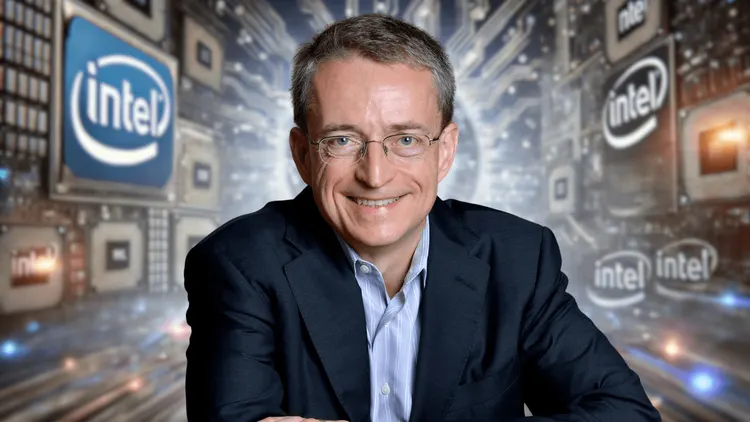
Intel’s recent earnings report surprised analysts and investors alike. Despite missing some key financial targets, the company's stock surged in after-hours trading, underscoring renewed investor confidence. This paradoxical market response has raised questions about Intel’s future, with the company’s CEO, Pat Gelsinger, calling this quarter a “critical” one. Analysts from KeyBanc Capital Markets, among others, weighed in on Intel’s strategy, revealing reasons behind the surge in share prices and setting the stage for a new chapter in the company’s journey.
Intel's Earnings: The Good, the Bad, and the Stable
Intel posted its earnings report with a few misses, sparking initial concern. Key metrics, particularly in AI development and revenue, did not meet the lofty expectations set earlier in the year. Despite these shortfalls, Intel’s guidance for the future excited investors.
Intel revealed that key business sectors, notably the PC and server businesses, had reached a level of stability. The company’s prior restructuring, including significant workforce reductions, played a major role in reaching this balance. Stability in these markets, in an otherwise volatile tech landscape, fueled optimism.
What’s Driving Intel’s Stock Higher?
Intel’s forward-looking guidance indicated that it might finally be turning a corner, providing a clearer outlook on revenue and market strategies. This guidance demonstrated resilience and a proactive approach to overcoming recent challenges.
New strategic initiatives, including Intel’s expansion into the AI chip market, caught the attention of investors. While initial AI-related revenues lagged behind competitors like Nvidia, Intel's future AI roadmap promises growth, positioning it to compete in an increasingly crucial market segment.
Key Analyst Insights on Intel's Future
KeyBanc Capital Markets analyst John Vinh shared insights on Intel's path forward, suggesting that while Intel has stabilized, the road to growth remains challenging. Vinh’s analysis highlighted Intel's unique position and emphasized the importance of its ambitious plans in regaining market confidence.
Pat Gelsinger’s leadership has been central to Intel’s restructuring and new focus areas. Under his guidance, the company has undertaken significant changes, attempting to restore its reputation in the face of fierce competition from AMD, NVIDIA, and others.
A Closer Look at Intel’s AI Ambitions
Intel’s AI segment reported lower-than-expected earnings, a setback considering the explosive growth seen by competitors. However, Intel remains optimistic, with plans to introduce a new chip, Falcon Shores, aimed at accelerating its AI growth trajectory in the next fiscal year.
The Falcon Shores chip, expected to be launched by the end of next year, aims to bridge Intel’s gap with competitors. If successful, it could position Intel as a serious contender in the high-growth AI chip market, potentially leading to substantial future gains.
Intel’s Next Milestone: 18A Node Ramping Up
The 18A node is Intel’s next-generation semiconductor manufacturing process, expected to bring Intel back to the forefront of advanced chip production. With notable clients like AWS onboard, this initiative could mark a significant step forward.
Intel’s move to ramp up its 18A node by next year is likely to level the playing field with other semiconductor giants. Success in this area could restore Intel’s competitive edge and reinforce its standing in the global semiconductor market.
Key Customer Wins Boost Investor Confidence
Intel announced partnerships with major clients, including AWS, which adds credibility to its growth plans. This client lineup not only supports Intel’s revenue prospects but also reinforces its capacity to meet high-tech demand in a highly competitive market.
With a total of eight committed clients, Intel has a solid base of demand. These partnerships are expected to ramp up production and revenue in the coming quarters, a crucial factor contributing to the company’s stock rebound.
The Strategic Role of Restructuring at Intel
Earlier in the year, Intel reduced its workforce by about 15%, a move aimed at streamlining operations and reducing costs. This restructuring has helped the company focus its resources on key growth areas, improving overall efficiency.
By realigning its focus on growth segments like AI and advanced semiconductors, Intel is better positioned to capitalize on emerging opportunities. This strategic shift has reassured investors of Intel's ability to stay competitive.
Industry-Wide Shifts: How Intel Fits In
The tech industry is witnessing unprecedented demand for advanced chips, especially with AI and cloud computing growing at a rapid pace. Intel’s advancements in semiconductor technology align well with this trend.
Intel faces intense competition from companies like AMD, NVIDIA, and TSMC. Its efforts in AI and advanced chip technology are seen as necessary steps to regain ground against these formidable rivals.
Qualcomm’s Interest in Intel: Speculation and Reality
Rumors have circulated that Qualcomm may be interested in acquiring parts of Intel’s business. While Intel’s complete acquisition is unlikely, certain assets could appeal to Qualcomm and other tech giants.
Analysts believe that while an outright acquisition of Intel is improbable, specific assets like its AI and semiconductor technologies could attract outside interest, adding to Intel’s valuation.
Long-Term Outlook: Can Intel Sustain Growth?
Intel’s strategy hinges on ramping up production in key areas, particularly AI and semiconductor manufacturing. Success in these domains could ensure long-term growth and steady returns.
Intel must continue to innovate and meet market demands, especially with mounting competition. Key focus areas include advanced chip technology and AI, where growth potential is highest.
Conclusion
Intel’s stock may have surged unexpectedly following its earnings miss, but the underlying reasons are rooted in a proactive strategy and investor optimism. Guided by CEO Pat Gelsinger’s leadership and ambitious plans for growth, Intel is focusing on AI and next-gen chip technology, preparing to reclaim its position in the tech industry. While the path forward will undoubtedly have its challenges, Intel’s roadmap and partnerships present a promising outlook that has reignited investor interest.