China and Indonesia Sign $10 Billion Deal, Leading the Way in Green Energy and Technology
China and Indonesia Forge a $10 Billion Pact on Green Energy, Technology, and Regional Stability
 Editorial Team (ET)October 1, 2026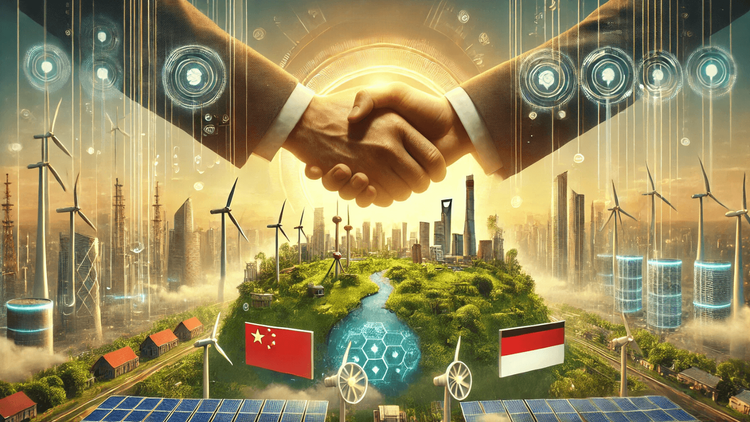
China and Indonesia have taken a significant step forward in strengthening their economic and strategic ties. With a $10 billion agreement signed at the recent Indonesia-China Business Forum in Beijing, both nations are setting the stage for a partnership that spans a wide range of sectors, from green energy to biotechnology. This agreement reflects not only the growing relationship between the two countries but also their commitment to leading the global shift toward renewable energy and advanced technology.
Overview of the $10 Billion Deal
- Date of Signing: November 2024
- Total Deal Value: $10 billion
- Key Sectors: Green energy, technology, biotechnology, food
The signing of these deals followed a meeting between Chinese President Xi Jinping and Indonesian President Prabowo Subianto, marking Indonesia’s strengthened diplomatic focus on China under Prabowo’s administration. Let’s explore how this agreement is set to transform both countries and impact global markets.
Strategic Significance of the China-Indonesia Partnership
Prabowo Subianto, having recently taken office, chose China as his first destination, signaling Indonesia's focus on a stronger strategic alliance with Beijing. This move is seen as a bold statement of Jakarta’s commitment to deepening ties with China, one of the world’s largest economies.
This partnership not only influences China and Indonesia but also has ramifications for the broader Southeast Asian region. Both countries, leaders in their respective sectors, are poised to set a precedent for collaboration that could inspire similar initiatives across ASEAN nations.
Green Energy Takes Center Stage
One of the most impactful aspects of the deal is the commitment to advancing new energy vehicles (NEVs). China, a global leader in electric vehicle production, will support Indonesia’s ambition to develop its NEV infrastructure, benefiting from Indonesia’s abundant resources and potential market growth.
Both countries have pledged to collaborate on lithium battery production and photovoltaic (solar panel) technology. This move not only strengthens Indonesia’s manufacturing capabilities but also positions China as a key player in Southeast Asia's renewable energy transition.
Indonesia, the world’s largest producer of nickel, a critical component in battery production, will benefit from Chinese investments aimed at bolstering the nickel supply chain. This partnership promises to accelerate Indonesia’s role in the global green energy sector.
Strengthening the Technology Sector
Indonesian tech firm GoTo Gojek Tokopedia signed key agreements with Chinese tech giants Tencent and Alibaba. These deals focus on cloud infrastructure development and digital talent cultivation, helping Indonesia advance its digital economy.
Through these partnerships, Indonesia aims to bolster its digital infrastructure, an essential move for a country that is embracing digital transformation across various sectors.
Tencent and Alibaba’s commitment to nurturing digital talent aligns with Indonesia's ambition to become a digital hub in Southeast Asia. This aspect of the agreement ensures that Indonesia’s workforce will have access to training and opportunities to excel in the digital economy.
Enhancing Bilateral Trade and Travel
One of the standout components of the agreement is the introduction of multi-entry, long-term visas between the two countries. This measure aims to facilitate smoother travel and business operations, reflecting both nations’ dedication to encouraging tourism and trade.
In addition to visa reforms, both countries have pledged to increase direct flights, making it easier for travelers and businesspeople to move between the two nations. This increase in connectivity will likely strengthen cultural and economic ties.
Food and Agricultural Trade
Indonesia, known for its agricultural richness, has secured a deal to export fresh coconuts to China. This agreement not only opens up new markets for Indonesian farmers but also diversifies China’s food supply sources, a strategic move in securing its food industry.
The coconut export agreement may be the beginning of a larger agricultural partnership between the two nations, with future potential for a variety of Indonesian food products to enter the Chinese market.
Security of Global Mineral Supply Chains
The deal underscores a shared commitment to securing global mineral supply chains, crucial for advancing green technology. Both countries recognize that a stable supply of minerals, particularly those used in batteries, is essential for a successful energy transition.
Chinese battery materials producer GEM has partnered with PT Vale Indonesia to establish a high-pressure acid leaching plant in Central Sulawesi. This facility will play a critical role in extracting nickel, reinforcing Indonesia's role in the global mineral supply chain and China’s access to this vital resource.
Biotechnology and Health Initiatives
The $10 billion agreement also includes initiatives in biotechnology, with a focus on medical and agricultural biotechnology that could benefit both nations.
In the realm of health, both countries are exploring partnerships that could lead to innovative healthcare solutions, including pharmaceuticals and medical technology advancements.
Regional Stability Through Economic Cooperation
President Prabowo emphasized Indonesia’s commitment to peace and prosperity through cooperation rather than confrontation, a principle he believes will set an example for other nations.
Economic partnerships like the one between China and Indonesia can serve as stabilizing factors in a region marked by political and economic diversity. This deal has the potential to reinforce regional stability by promoting mutual growth and security.
Conclusion
The $10 billion agreement between China and Indonesia is more than just a series of business deals; it’s a blueprint for future collaboration in green energy, technology, and beyond. As both countries align their interests, they are creating a model for sustainable development that may inspire similar partnerships globally. Through initiatives in energy, technology, agriculture, and travel, this partnership marks a significant chapter in the relationship between two dynamic economies.