
EU lawmakers reject attempts to block green investment rules
A majority of legislators or EU countries could block the proposal.
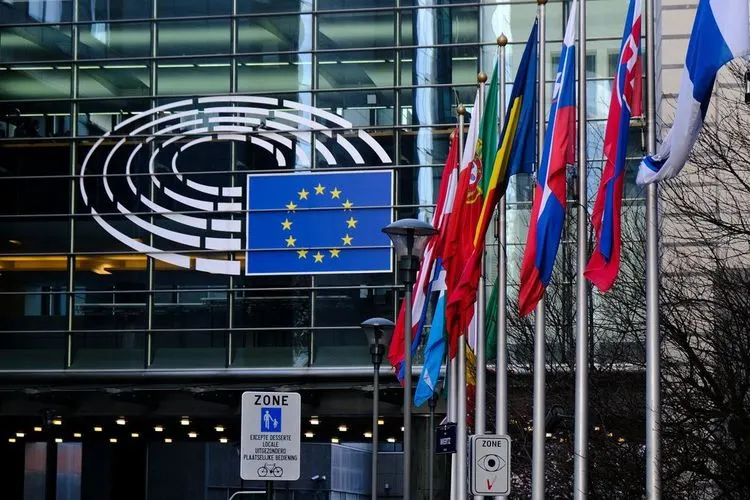
Members of the European Parliament on Monday rejected three attempts by some legislators to block the European Union's proposed sustainable investment regime as Brussels is close to finalizing the first part of the groundbreaking rules.
In April the European Commission proposed the first part of the EU sustainable finance taxonomy, a complex piece of legislation that will decide from next year which investments in the EU can be described as sustainable ".
The European Parliament and EU countries are considering the proposal, which includes CO2 limits and other criteria that economic activities such as car manufacturing, wind turbines and cement plants must meet in order to qualify as green investments.
On Monday, Parliament's Environment and Economic Committees rejected three attempts by MPs to object to the proposal. A majority of legislators or EU countries could block the proposal.
Environment Committee Chairman Pascal Canfin welcomed the result of the vote and said the taxonomy would "strengthen the EU's leadership in green finance rules".
The three motions tried to block the taxonomy proposal on the grounds that it was inconsistent with existing EU legislation or should have included nuclear and gas-fired power plants as green investments.
The Commission is expected to publish a second proposal in the coming months to confirm whether the taxonomy will classify investments in nuclear and gas-fired power plants as "green".
The decision on these issues has been delayed by months and has been heavily lobbied by EU governments who disagree on whether the fuels deserve a sustainable label.
A group of 150 campaign groups last week urged Brussels not to label gas as green, saying it would encourage fossil fuel investments at a time when Europe is trying to reduce its reliance on coal, gas and oil.
With its taxonomy, Brussels wants to make climate-friendly projects more visible to investors and channel huge sums of private capital into projects that will help the EU achieve its goals of reducing greenhouse gas emissions.