
Iran and Venezuela sign oil export agreements
US sanctions encourage cooperation between two opponents of Washington
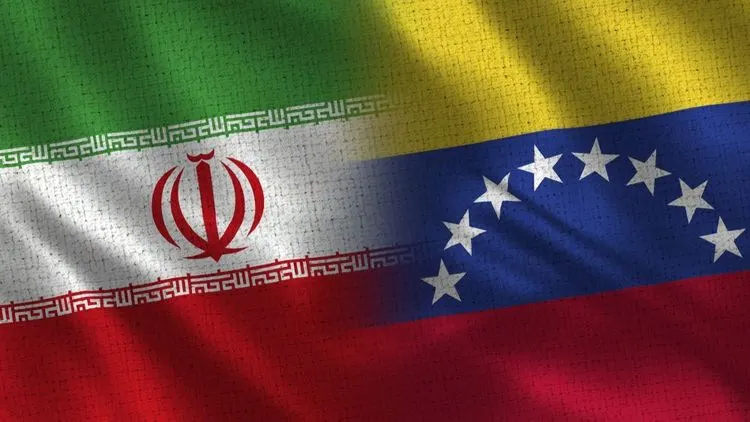
Venezuela has agreed to a major deal to swap its heavy fuel oil for Iranian condensate, which it can use to improve the quality of its tar-like crude. The first loads should arrive this week, according to five people who are familiar with the business.
As the South American country seeks to boost its flagging oil exports in the face of US sanctions, the deal between state-owned Petroleos de Venezuela (PDVSA) and National Iranian Oil Company (NIOC) deepens cooperation between two opponents of Washington, the sources said.
One of the people said that the exchange agreement was planned for six months in its first phase, but could be extended. Reuters could not immediately obtain further details of the deal.
The oil ministries of Venezuela and Iran and the state-owned companies PDVSA and NIOC did not respond to requests for comments.
The deal could constitute a breach of U.S. sanctions against both countries, according to an email from the Treasury Department to Reuters, citing the U.S. government's orders setting the sanctions measures.
The US sanctions programs not only forbid Americans doing business with the Iranian and Venezuelan oil sectors, but also threaten "secondary sanctions" against any non-American person or entity that does business with the oil companies in the two countries.
Secondary sanctions can result in a range of penalties against those affected, including blocking access to the US financial system, fines or freezing US assets.
Any "transactions with the NIOC by non-US persons are generally subject to secondary sanctions," the Treasury Department stated in its response to a question about the deal. It also said it "retains the power to impose sanctions on anyone involved in the oil sector of the Venezuelan economy," but did not specifically address whether the current deal constitutes a breach of sanctions.
The application of US sanctions is often at the discretion of the incumbent government. Former US President Donald Trump's government seized Iranian fuel cargoes last year by sea for allegedly violating sanctions , but his successor Joe Biden has not taken similar steps.
In Washington, a source familiar with the matter said the Venezuela-Iran swap agreement has been on the radar screen of US government officials in recent months as a likely sanctions violation and they want to see how far it will go in practice.
US officials are concerned, the source said, that Iranian diluent supplies could help provide President Nicolas Maduro with a greater financial lifeline in his negotiations with the Venezuelan opposition over the election.
The sanctions imposed on both countries have restricted their oil sales in recent years and prompted the NIOC to support Venezuela in allocating exports to Asia - including through shipping services and fuel swaps.
At a meeting at the UN General Assembly in New York on Wednesday, the foreign ministers of Venezuela and Iran publicly declared their commitment to stronger bilateral trade, despite attempts by the US to block it.
Trump's tightening of sanctions last year helped Venezuela's oil exports - the backbone of its economy - plunge 38% to their lowest level in 77 years and cut sources of fuel imports, increasing the country's gasoline shortage by around 30 Million inhabitants aggravated.
A US Treasury Department spokesman said the department was "concerned" about reports of oil deals between Venezuela and Iran but had not verified any details.
"We will continue to enforce our Iran- and Venezuela-related sanctions," the spokesman said. The Treasury Department has shown its willingness "to blacklist companies that support Iranian attempts to circumvent US sanctions and that support their destabilizing behavior around the world," the spokesman added.
The swap agreement would ensure PDVSA a steady supply of condensate that the company needs to dilute the production of heavy oil from the Orinoco Belt, its largest production region, the people said. The bituminous crude oil must be mixed before it can be transported and exported.
In return, Iran will receive supplies of Venezuelan heavy fuel oil that it can market in Asia, said the people, who refused to be named as they were not allowed to speak publicly.
PDVSA has stepped up oil swaps to minimize cash payments since the U.S. Treasury Department banned the company from using U.S. dollars in 2019. Washington has also sanctioned foreign companies that source or ship Venezuelan oil.
As of last year, PDVSA has imported two loads of Iranian condensate in one-time swaps to meet a specified need for diluent, and has also traded Venezuelan kerosene for Iranian gasoline.
The new deal would help PDVSA secure a source of diluent, stabilize exports of blended crude oils from the Orinoco, while allowing its own lighter oil to be refined in Venezuela to make much-needed fuel, according to three of people.
The first shipment of 1.9 million barrels of Venezuelan Merey heavy oil under the new swap left PDVSA port in Jose earlier this week on the very large crude oil tanker (VLCC) Felicity, owned by the National Iranian Tanker Co (NITC) operated by her, so the three people and the monitoring service TankerTrackers.com.
NITC, a unit of the NIOC, did not respond to the request for comment.
The ship was not listed in PDVSA's monthly port plans for September, which list the planned imports and exports. However, TankerTrackers.com identified it in Jose earlier this month.
The Venezuelan cargo of crude oil is a partial payment for a cargo of 2 million barrels of Iranian condensate that arrived in Venezuela on Thursday, according to the three sources and one of PDVSA's port plans.
Last year the former Trump administration confiscated over 1 million barrels of Iranian fuel destined for Venezuela and blacklisted five tanker captains as part of a "maximum pressure" strategy. However, the United States has not stopped recent Iranian shipments to Venezuela.
The US State Department declined to comment on the agreement. A Treasury Department spokesman did not respond to a Reuters question about the government's concern that the Iran-Venezuela agreements PDVSA could allow exports to increase.
US officials have stressed that they have no intention of easing sanctions against Venezuela until Maduro takes final steps towards free and fair elections.
Trump's restrictions on established companies doing business with PDVSA prompted the socialist-ruled country to turn to bartering with Iran and other countries while trading with a number of little-known customers.
Thanks to the new customers and the swaps, PDVSA was able to keep exports stable at 650,000 barrels per day (bpd) this year after zigzagging in 2020.
PDVSA plans to mix the Iranian condensate with extra heavy oil to produce diluted crude oil, a variety that is in demand by Asian refiners and that the company has had a hard time exporting since late 2019 when suppliers stopped supplying diluents due to sanctions ceased, according to the three sources.