
Dollar rises as Fed pushes for rate hikes
The US currency is on the verge of a third straight month of gains against other currencies
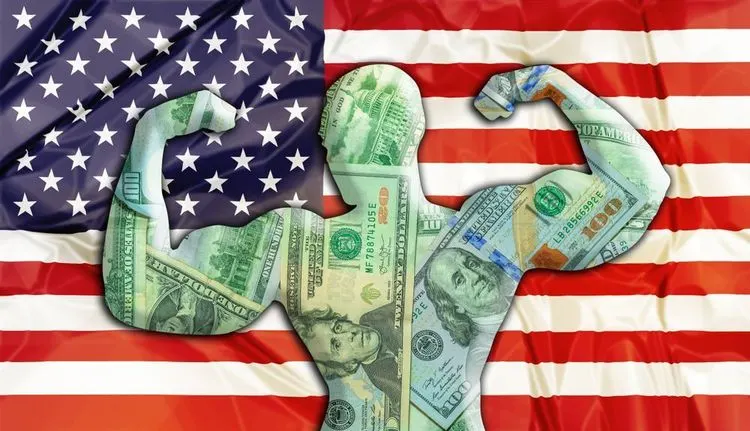
The dollar is about to gain for the third straight month after hitting a 20-year high against other currencies, clearly reflecting divergent interest rate and growth prospects in the world's largest economies.
The dollar index, which measures the currency's value against a basket of other currencies, is up 14 percent year-to-date. Expectations that the Federal Reserve will not back down on interest rate hikes to curb inflation, as stressed by Chairman Jay Powell at last week's annual symposium in Jackson Hole, have continued to rise.
The US currency's lead against others also reflects concerns that soaring energy prices in Europe, fueled by Russia's war in Ukraine, could push inflation and plunge economies into recession.
"Everything points to a stronger dollar," says Christian Kopf, Head of Fixed Income at Union Investment. "The dollar is independent of energy imports and hasn't been affected as much by the rise in energy prices that we've seen, especially in Europe," he added.
August is the third straight month that the dollar has risen, while the pound sterling and the euro have fallen 7.4 percent and 6.6 percent, respectively, over the same period. The Japanese yen and Swiss franc fell 7.1 percent and 1.5 percent, respectively, over the same period.
The US Federal Reserve (Fed) has taken the helm of the major central banks and aggressively tightened monetary policy. Higher US Treasury yields are pushing the dollar higher as investors sell foreign currency debt in favor of better US Treasury bond premiums.
The yield on the two-year Treasury note, which moves with interest rate expectations, hit 3.497 percent on Tuesday, the highest since 2007.
Higher yields and the accompanying strong dollar have also hurt emerging market economies. This is partly because capital is fleeing their dollar investments, but also because many emerging market countries have debt denominated in dollars. A stronger dollar means higher debt payments for these countries, leading some investors to predict a wave of defaults.
Energy prices have hit record highs in Europe as the region seeks supplies of natural gas that would otherwise come from Russia. The EU is preparing to announce emergency measures to tackle the region's rising energy costs, which businesses and households are struggling with.
"It doesn't look like they can really fight back against the dollar when we see this really sour backdrop," Rabobank head of FX strategy Jane Foley said of other major currencies. "If you sell the dollar, what will you buy?"
The stress is unlikely to subside any time soon. US inflation was 8.5 percent yoy in July, down slightly from the previous month, although the Fed remains on target on its 2 percent inflation target. EU inflation figures for August were due to be released on Wednesday.
Fed Chair Powell last week reiterated his "unconditional" commitment to tackling high inflation, delivering a hawkish message in Jackson Hole and dispelling any doubts that the world's most powerful central bank would soon be easing monetary tightening.