
Drought warnings for almost half of Europe
Scientists say the weather will stay hotter and drier through November, adding to concerns about food and energy
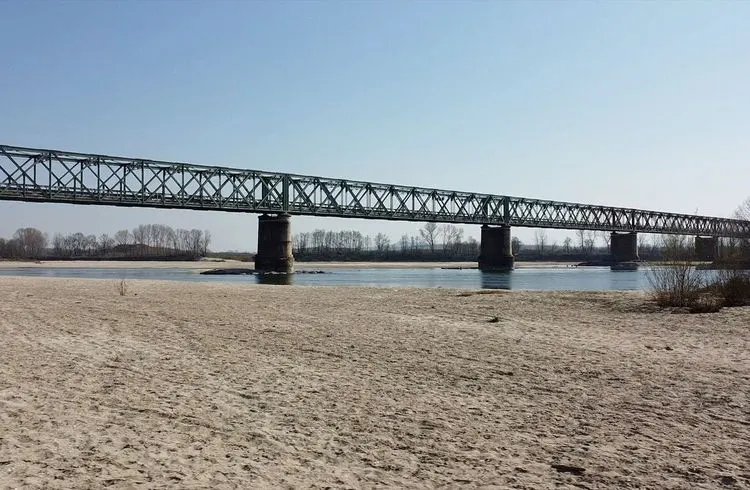
According to an EU agency, drought is still raging in almost half of the EU, and the weather is expected to get even hotter and drier by November.
This will add to concerns about crop shortages and energy supplies in a continent already hit by a significant cut in gas supplies from Russia.
"The combination of severe drought and heat waves has resulted in unprecedented stress on water levels across the EU. We are currently experiencing an above-average wildfire season with a significant impact on agricultural production," said Mariya Gabriel, EU Commissioner for Research and Innovation.
"Severe to extreme" drought conditions are affecting Italy, southeast and northwest France, eastern Germany, eastern Europe, southern Norway and much of the Balkans, according to a report by the EU's Joint Research Center released on Tuesday.
The report said about 47 percent of the EU is on a drought warning and 17 percent is on drought alert, meaning vegetation and crops are affected. The report also warned of the "serious impact" on the energy sector, particularly on hydroelectric power plants that have stopped working and on the cooling systems of other power plants.
This summer has been one of the driest on record in Europe, which scientists say is warming faster than the global average. Wildfires have spread rapidly across the continent, burning more than 4.6 times the average land area in wildfires over the past 19 years, while glaciers in the Alps have melted at a record pace.
According to a report by the European Environment Agency released in June, the average annual temperature over the European landmass over the past decade was about 2°C warmer than in the pre-industrial era, compared with a global average of about 1°C.
The UK was also hit by a prolonged period of hot and dry weather, which pushed England into a formal state of drought in August. The government announced on Tuesday that 10 out of 14 regions are experiencing drought, adding that recent rainfall has not been enough to replenish rivers, groundwater and reservoirs to "normal levels".
This extreme water shortage and heat stress on crops has lowered forecasts for this year's summer crop in Europe, with corn, sunflower and soybeans being hardest hit. According to JRC data, yield forecasts for these crops are between 12 and 16 percent below the five-year average.
Energy supply problems across the continent have also worsened. In countries like Portugal and Norway, hydroelectric power stations have dried up, prompting the EU's second-biggest natural gas supplier after Russia to warn that it may have to cut its energy exports if things don't improve.
Energy production from nuclear power plants also had to be reduced because there was not enough water to cool the reactors.
The JRC report, which uses data from the European Drought Observatory, warns that warmer and drier conditions in the western Mediterranean could persist well into autumn. A return to more normal weather "for most of Europe" may not be "sufficient to fully offset the deficit [of water] accumulated in more than half a year," the report said.
The scientists added that "significantly drier than normal weather conditions" are forecast for western Spain, eastern Portugal and along the Croatian coast.
The impact of the wildfires was particularly acute in Portugal, where the JRC rated the fire risk as "high to extreme" across most of the country.
Brussels said on Tuesday it had deployed two fire-fighting planes to help Portugal fight forest fires in the north of the country for the first time.