IMF: Middle East countries can look forward to $1.3 billion in oil money
Bonanza boosts the firepower of Gulf sovereign wealth funds
 Ibrahim Al-TarikSeptember 16, 2026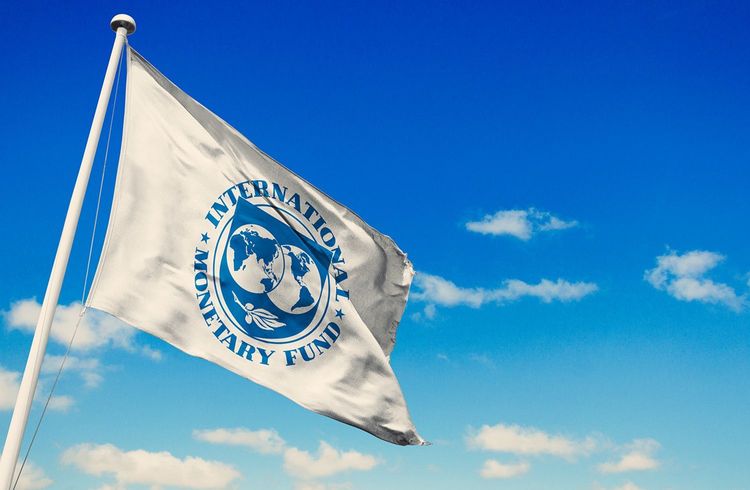
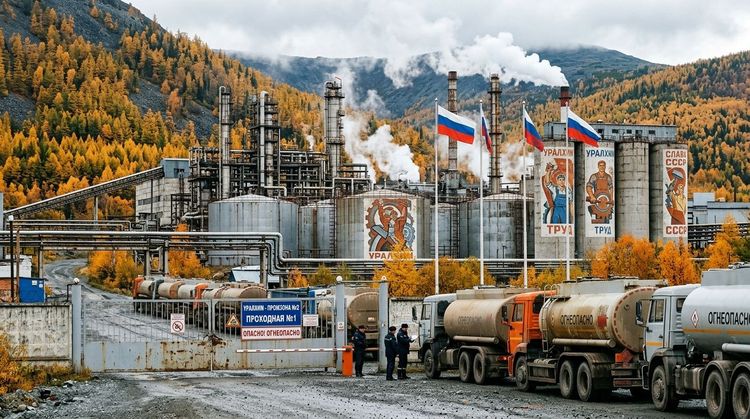
According to the IMF, the energy-rich countries of the Middle East will earn up to $1.3 billion in additional oil revenues over the next four years, a windfall that will add to the firepower of the region's sovereign wealth funds at a time when global asset prices have been softening .
The Fund's projections underscore how high energy prices, fueled by Russia's war in Ukraine, are buoying Gulf absolute monarchies while much of the rest of the world grapples with rising inflation and recession fears.
Jihad Azour, IMF director for the Middle East and North Africa, told the Financial Times that the region's oil and gas exporters, particularly the Gulf states, "will see additional cumulative oil revenues in 2026 compared to pre-war expectations in Ukraine amount of 1.3 billion dollars will be recorded".
The Gulf region is home to some of the world's largest oil and gas exporters and some of the largest and most active sovereign wealth funds. These include the Public Investment Fund of Saudi Arabia, the Qatar Investment Authority, the Abu Dhabi vehicles including the Abu Dhabi Investment Authority, Mubadala and ADQ, and the Kuwait Investment Authority.
The $620 billion PIF, chaired by Saudi Crown Prince Mohammed bin Salman, invested more than $7.5 billion in U.S. stocks including Amazon, PayPal and BlackRock in the second quarter to bounce off falling stock prices benefit, according to market documents.
Gulf sovereign wealth funds have been similarly active during the coronavirus outbreak as they seek to capitalize on market volatility triggered by the pandemic. During the global financial crisis in 2009, they used the turmoil to buy stakes in struggling Western companies.
In recent years, many of the funds have focused on sectors such as technology, healthcare, life sciences and clean energy as governments seek yield but also seek to diversify economies and develop new industries.
Azour said it is important that the Gulf countries use the recent cash windfall to "invest in the future", including preparations for the global energy transition.
"It's an important moment for them to accelerate in sectors like technology [domestically] as it will allow them to increase productivity," he said. "In addition, their investment strategy could benefit from the fact that asset prices have improved for new investors, and the ability to increase their market share in specific areas is also an opportunity.
However, he added that it is vital that they maintain fiscal discipline and reform momentum to reduce states' dependence on oil.
The Gulf economies have traditionally followed the volatility of oil prices, with government spending fueled by petrodollars being the main driver of economic activity. As a result, booms were often followed by downturns.
The rebound comes after years of subdued growth across the Gulf region, which prompted governments to borrow, tap reserves and slow state projects.
But Saudi Arabia, the world's top oil exporter and the region's largest economy, has seen a massive surge in spending led by the PIF, which has been tasked with developing a series of mega-projects that will modernize the conservative kingdom while attracting foreign investment must.
The PIF is expected to be one of the main beneficiaries of the oil boom as Saudi Arabia is on track to post a budget surplus of 5.5 percent of GDP this year - its first surplus since 2013 - and economic growth of to reach 7.6 percent, the fastest pace in a decade.
The IMF estimates that in 2022 the PIF will outperform the government for the second consecutive year. In a report this week, the fund cites "pressure to spend oil profits and deviate from fiscal discipline" as one of the downside risks to the kingdom, including from the PIF.
"What's going to be really important is how they [the Gulf countries] manage this new cycle while maintaining the benefits of the additional liquidity and the policies that don't lead them into procyclicality," Azour said.
The IMF forecasts that economic growth in the Gulf Cooperation Council, which includes Saudi Arabia, the UAE, Kuwait, Bahrain, Qatar and Oman, will accelerate to 6.4 percent this year from 2.7 percent in 2021.