Russia Bans Sulfuric Acid Exports: What It Means for Global Mining
Russia’s export ban on sulfuric acid is sending shockwaves through global mining, weaponizing a vital processing chemical and driving up production costs for copper and uranium.
 Editorial Team (ET)September 15, 2026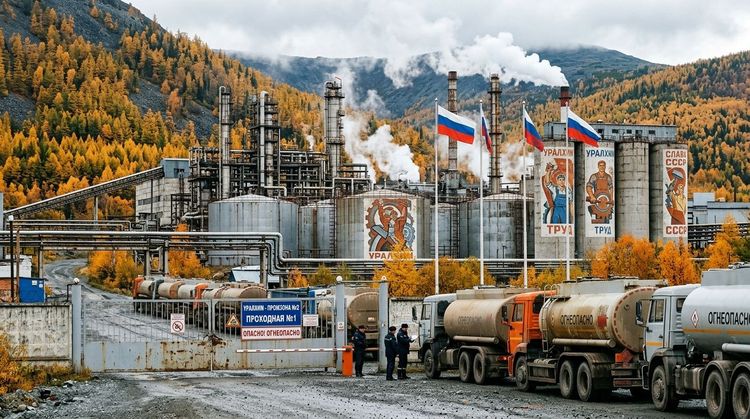
Moscow just put the squeeze on the global mining industry’s favorite workhorse compound, turning a quiet supply chain utility into a major operational headache.
Russian Prime Minister Mikhail Mishustin officially signed a decree temporarily banning all exports of sulfuric acid through December 31, 2026. Designed to ring-fence internal supplies for domestic mineral fertilizer producers and key industrial enterprises, the policy follows an earlier restriction on elemental sulfur exports. While protecting domestic agriculture makes immediate sense for Moscow, the outward ripples are creating severe localized friction across raw material supply chains.
Sulfuric acid, long dubbed the "King of Chemicals", is the unsung engine of modern industrial metallurgy. Beyond its foundational role in crop nutrition, the acid acts as the primary solvent for hydrometallurgical processing, dissolving copper, nickel, and uranium directly from raw ore.