
Bundesbank sees winter recession in Germany
Bundesbank forecasts weak start to the year for German economy. Real estate prices and government deficit also in focus
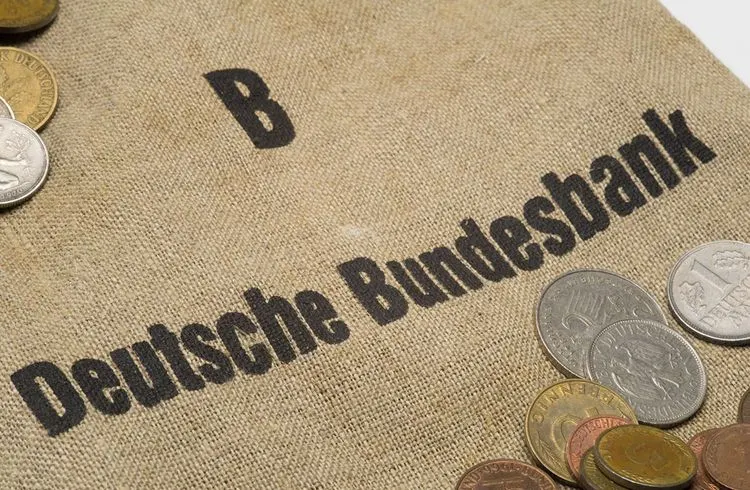
According to the Bundesbank, the German economy has suffered another setback at the beginning of 2023 and has thus slipped into a winter recession. After robust growth in the summer of 2022, gross domestic product was already down 0.2 percent by the end of the year. However, according to the Bundesbank, the tension on the energy markets has eased and government electricity and gas price brakes are mitigating the rise in energy costs for private households and companies. Investments and industrial production could benefit from this.
However, industrial production started 2023 from a depressed level after a sharp decline in December 2022, and exports would also be dampened by slowing foreign demand. Private consumption would continue to suffer from persistently high inflation, which would reduce households' purchasing power. Construction activity is also expected to cool further.
The Bundesbank forecasts that although the economy could slowly pick up again in the further course of the year, a significant improvement is not yet in sight. According to the Bundesbank's current assessment, German economic output will decline slightly on average in 2023, but will perform slightly better than expected in December.
Government spending will rise significantly faster than revenues, resulting in a higher government deficit. Among other things, high inflation will make government purchases of goods and investments more expensive. In addition, spending on defense and climate policy will increase significantly. Government revenues are now expected to grow at a much slower pace after the boom in profit taxes subsided in the previous year.
The Bundesbank experts also write that despite recent falling prices, houses and apartments in Germany are still often overpriced. Although the disposable incomes of private households had increased significantly in 2022, high inflation had eaten away at purchasing power. In addition, the interest rate for mortgage loans had risen sharply to an annual average of 2.6 percent, which had massively dampened demand for residential real estate. The affordability of residential real estate had deteriorated overall and was below its level before the outbreak of the financial and economic crisis in 2008/09.