
Amazon Enters the Nuclear Age with $500 Million SMR Investment
Amazon's $500 Million Bet on Small Modular Reactors to Power Cloud Computing and AI Expansion
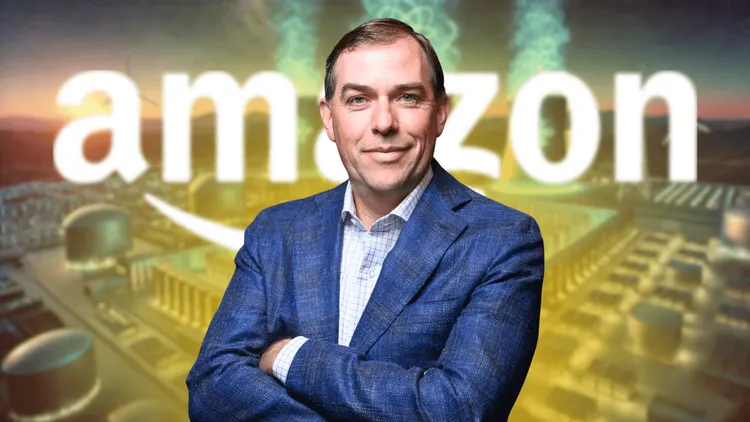
In an unprecedented move that marks a significant shift in the tech industry, Amazon Web Services (AWS), the cloud computing subsidiary of Amazon, has announced a $500 million investment in small modular reactors (SMRs). This comes as part of its ambitious drive to meet the growing demand for clean energy to power its data centers, particularly as it ventures into the expansive world of generative AI. Partnering with Dominion Energy, AWS is set to explore SMRs, making Amazon the latest tech giant to embrace nuclear energy as a solution to the growing power needs of data centers. But why nuclear? And what does this mean for the future of clean energy and tech? Let's dive in.
What Are Small Modular Reactors (SMRs)?
Small modular reactors, commonly referred to as SMRs, are the next frontier in nuclear energy. Unlike traditional nuclear reactors, SMRs have a smaller footprint, allowing them to be constructed closer to energy grids and populated areas. This reduces the time and cost of construction compared to large-scale reactors. More importantly, SMRs are designed to be inherently safer, with modern advancements in nuclear technology ensuring greater security and operational efficiency.
The key advantage of SMRs lies in their flexibility and scalability. Unlike their larger counterparts, they can be deployed in a modular fashion—built piece by piece—allowing for quicker and more cost-effective energy production. For tech companies like Amazon, this flexibility is critical as they look to scale their data center operations globally. SMRs are also seen as an essential component in achieving net-zero emissions goals, as they produce zero carbon emissions.
Amazon’s Growing Energy Demands
Amazon Web Services (AWS) is one of the world’s largest cloud computing platforms, powering everything from streaming services to online marketplaces. As AWS continues to expand, particularly into artificial intelligence (AI) and machine learning, its energy needs have skyrocketed. Data centers, the backbone of cloud computing, are energy-intensive, and AWS’s current reliance on renewable energy like wind and solar may not be enough to meet future demand.
Generative AI, a core focus of AWS’s future operations, requires massive amounts of processing power. This technology, which includes everything from chatbots to automated content creation, is energy-intensive, and AWS is at the forefront of providing cloud infrastructure for these innovations. As AI becomes more embedded in everyday business operations, AWS's energy consumption is expected to surge.
The Partnership with Dominion Energy
AWS’s collaboration with Dominion Energy, a leading Virginia utility company, marks a significant step in the company’s clean energy strategy. The agreement between AWS and Dominion involves the exploration and development of SMRs near Dominion’s North Anna nuclear power station. By leveraging Dominion’s expertise in nuclear energy, AWS aims to harness the power of SMRs to meet its growing data center energy demands.
Virginia is a crucial region for Amazon’s data center operations. The state, particularly Northern Virginia, is home to Data Center Alley, where 70% of the world’s internet traffic passes through. AWS’s decision to invest in SMRs in this region is strategic—Virginia’s data centers are power-hungry, and the state’s existing energy infrastructure provides the perfect environment for SMR deployment.
Amazon Joins the Nuclear Energy Club
Amazon’s move to invest in nuclear energy is not without precedent. Earlier this year, Google announced plans to purchase power from SMR developer Kairos Power, while <a class="tvreplink" target="_blank" href="https://www.tradingview.com/chart/?symbol=Nasdaq%3AMSFT">Microsoft has partnered with Constellation Energy to restart the Three Mile Island nuclear plant for its data center needs. The message is clear: nuclear power is becoming the go-to solution for tech giants as they seek sustainable, reliable, and scalable energy sources.
By investing in nuclear energy, Amazon is taking a proactive approach to securing its energy future. As renewable energy sources like wind and solar struggle to meet the rapidly growing demand, nuclear energy provides a stable, 24/7 power source. SMRs, in particular, offer a way to generate large amounts of power without the logistical challenges of building traditional nuclear plants.
The Future of Data Centers and Energy
AWS CEO Matthew Garman has made it clear: the tech industry is going to need gigawatts of power in the coming years, and renewables alone won’t cut it. Nuclear energy, particularly through SMRs, provides a viable alternative that can meet the demand for clean, reliable power. This isn’t just about powering data centers—it’s about creating a sustainable energy infrastructure that can fuel the digital economy for decades to come.
Amazon’s commitment to achieving net-zero carbon emissions by 2040 is well-documented. The investment in SMRs is a cornerstone of this effort. SMRs produce zero carbon emissions, making them an ideal solution for Amazon’s clean energy goals. By integrating nuclear energy into its power mix, AWS can continue to scale its operations without increasing its carbon footprint.
Amazon’s $35 Billion Investment in Virginia
Amazon’s investment in SMRs is just one part of a larger plan. Last year, the company announced plans to invest $35 billion by 2040 to build multiple data center campuses across Virginia. This long-term investment underscores Amazon’s commitment to the state and its determination to lead the way in clean energy innovation.
Governor Glenn Youngkin has praised Amazon’s investment in SMRs, highlighting Virginia’s growing role as a leader in nuclear innovation. With Amazon’s backing, the state is poised to become a hub for advanced nuclear energy research and development, further solidifying its position as a critical player in the nation’s energy future.
Energy Northwest: The Washington Connection
In addition to its partnership with Dominion Energy, Amazon has signed a new agreement with Energy Northwest, a consortium of public utilities in Washington state. This deal will fund the development and construction of four SMRs in the region, which will feed energy directly into the grid, powering not only Amazon’s data centers but also homes and businesses across the Pacific Northwest.
To further solidify its commitment to nuclear energy, Amazon’s Climate Pledge Fund is the lead anchor in a $500 million financing round for X-energy, a Maryland-based SMR developer. This investment aligns with Amazon’s broader sustainability goals and positions the company as a key player in the future of advanced nuclear energy.
The Role of the U.S. Government
The Biden administration has made clean energy a top priority, funneling billions of dollars into technologies like SMRs. As part of the AWS announcement, U.S. Energy Secretary Jennifer Granholm announced $900 million in new funding for SMR deployment, further cementing the federal government’s support for the technology.
Granholm also emphasized the importance of building data centers in the U.S. for national security reasons, highlighting the need for clean, reliable power sources to support the growing tech industry. Nuclear energy, with its ability to provide consistent, carbon-free power, is poised to play a central role in this effort.
Conclusion
Amazon’s bold move to invest in small modular reactors marks a turning point in the tech industry’s approach to energy. As the demand for data centers—and the power to run them—continues to grow, nuclear energy offers a clean, scalable solution that aligns with Amazon’s sustainability goals. By partnering with Dominion Energy and Energy Northwest, AWS is leading the charge in integrating SMRs into the energy grid, ensuring a reliable, carbon-free future for its operations. The race for clean energy dominance is on, and Amazon is well on its way to becoming a leader in the nuclear-powered future.