Canadian Government Puts Paladin Energy’s Fission Uranium Deal Under Review
Paladin Energy’s $846M Deal Faces Scrutiny as Canada Examines the National Security Risks of Foreign-Controlled Uranium Assets
 Editorial Team (ET)October 5, 2026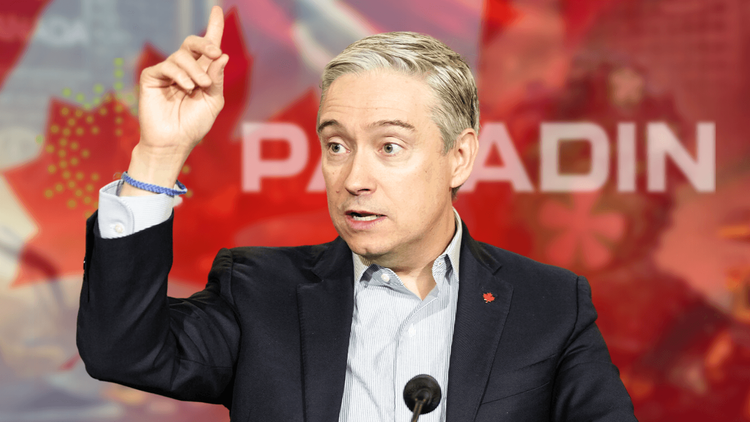
Paladin Energy’s (ASX: PDN) proposed takeover of Fission Uranium (TSX: FCU) has encountered a significant obstacle after the Canadian government issued a notice of national security review. The deal, valued at C$1.14 billion ($846 million), would potentially position Paladin as the third-largest publicly traded uranium producer. However, the review could delay or prevent this transformative acquisition, raising concerns about the future of both companies and the broader uranium market.
The Takeover: A Move to Reshape the Uranium Market
In June 2024, Paladin entered an agreement to acquire Fission Uranium, driven by the rising global demand for nuclear energy. The acquisition would allow Paladin to strengthen its position in the uranium sector, expanding its reach and production capabilities. With uranium prices on the rise due to the increasing demand for nuclear power, the deal was viewed as a strategic move to capitalize on market trends.
Canada’s National Security Review
In September 2024, Canada’s Minister of Innovation, Science, and Industry, François-Philippe Champagne, informed Paladin that the takeover would be subject to a national security review. This is not an unusual step for foreign acquisitions involving key resources, especially in industries as sensitive as nuclear energy. The review aims to assess whether foreign control of uranium assets could pose risks to Canada’s national security.
Why Uranium is a National Security Issue
Uranium plays a crucial role in nuclear energy, which is an essential component of Canada’s energy infrastructure. Control over uranium resources is a strategic issue, particularly in light of the global energy transition toward low-carbon solutions. The involvement of China’s CGN Mining, which holds an 11.26% stake in Fission, has likely intensified the government’s concerns, given the geopolitical tensions surrounding critical resources.
Paladin’s Response and Legal Proceedings
Paladin has stated that it is considering its options and exploring the possibility of obtaining clearance under the Investment Canada Act (ICA). The matter is also being reviewed by the Supreme Court of British Columbia, which could influence the fate of the acquisition. However, even with a favorable court ruling, Paladin still faces the challenge of securing ICA clearance.
Fission’s Strategic Value
One of the key attractions of Fission Uranium is its Patterson Lake South project in Saskatchewan, located near Paladin’s major customer, the United States. Acquiring Fission would enable Paladin to create a North American hub for uranium production, which would be critical for serving the U.S. market.
The Impact on Global Uranium Production
If the acquisition proceeds, the combined entity would be valued at $3.5 billion, holding dual listings in both Australia and Canada. The newly merged company would control around 10% of global uranium production. Paladin’s existing assets, including the Langer Heinrich Mine in Namibia, combined with Fission’s Patterson Lake South project, would significantly boost its production capacity.
Challenges in Australia Push Paladin Overseas
Paladin’s decision to pursue international growth opportunities, including the Fission acquisition, has been driven by the uranium mining bans in Western Australia and Queensland. These domestic challenges have led Paladin to look abroad for expansion, with Canada being a key target due to its abundant uranium resources.
Investor Sentiment and Market Reaction
Following the announcement of the national security review, Paladin’s shares initially dropped, reflecting investor concerns about the regulatory risks. However, the stock later recovered as investors weighed the long-term potential of the acquisition, particularly if Paladin can successfully navigate the regulatory landscape.
Conclusion
Paladin Energy’s proposed acquisition of Fission Uranium represents a pivotal moment in the uranium market, with the potential to create a new major player. However, the Canadian government’s national security review has introduced significant uncertainty into the process. As Paladin explores its options and awaits a ruling from the Supreme Court of British Columbia, the future of the deal remains uncertain. If successful, the acquisition could reshape the uranium market, but it faces considerable regulatory challenges that will need to be addressed.