
US Senate goes after big banks due to rising fees
Many larger banks in the US had opportunistically raised fees during the pandemic.
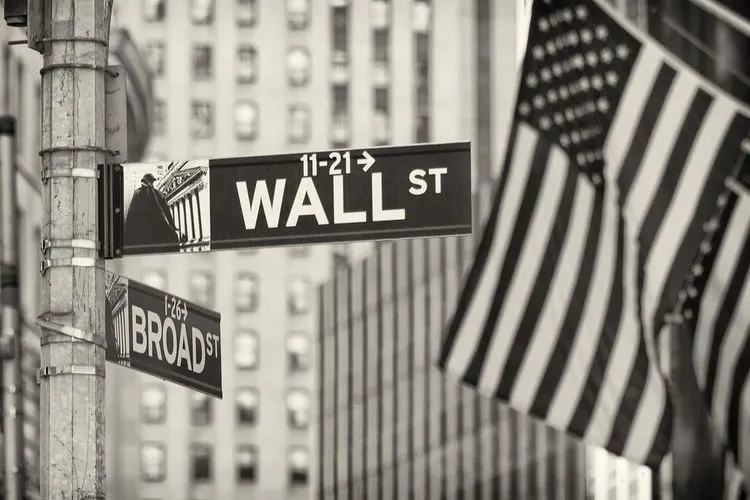
Despite their Hallmark-esque TV commercials highlighting their customer-centric priorities, banks aren't exactly the favorite institutions of the general public, and the aftermath of the pandemic is bringing them even more focus. Even if the banks themselves sing praises of their handling of the pandemic, with many odes to their efforts to help those in need, the federal government does not necessarily agree. Earlier this week, the six largest bank CEOs appeared in the Senate for a banking committee hearing on oversight of Wall Street firms. The focus was on the fact that the COVID-19 crisis did not threaten the profitability of the banks; however, banks did not do much to help ordinary people during the pandemic. Unlike the 2008 financial crisis, when 27 banks went under, the pandemic hardly affected the six largest banks from a comparative perspective. The entire industry posted $ 147.9 billion in profit in 2020, a 36.5% year-over-year decrease. And unlike other industries, the top six banks made decent profits in 2020, led by JPMorgan with $ 29.1 billion, Bank of America with $ 17.9 billion and Wells Fargo with $ 3.1 billion. And when the economy began to recover late last year, so did the banks - many of them beating estimates for Q1 2021. Additionally, most bank CEOs saw their paychecks bloated in 2020. Still, the CEOs told the Senate Banking Committee that, among other things, they were helping small business owners and working to narrow the interracial wealth gap. Senator Elizabeth Warren didn't buy it. She called such big bank charity statements "a bunch of bullshit". "No matter how you try to turn it, the past year has shown that corporate profits are more important to the bank than offering a little help to struggling families, even when we are in the midst of a global crisis," said Warren. Warren and other Democratic senators saw the high bank profits as a sign that banks were taking excessive fees and interest from consumers and businesses during the pandemic. Banks usually charge overdraft fees when the customer overdraws their checking account. Instead of allowing a debit card to be declined or a check to fail, the bank will cover the difference and charge an overdraft fee, usually around $ 30 to $ 35. The Senate particularly focused on JPMorgan Chase's policy on overdraft fees, saying the bank took in $ 1.46 billion in overdraft fees during the crisis. But JPMorgan is not alone in this, as America's major banks take in over $ 11 billion in overdrafts and related fees every year. While some banks have chosen to waive these fees (specifically overdraft fees), it will still cost consumers $ 12.4 billion in 2020. Without the incentive payments, the losses would have been estimated to have been three times as high in the past year as the overdrafts would have been much more frequent. None of the top 10 banks offered permanent relief from overdraft fees during the crisis. On the contrary, last year TD Bank agreed to pay $ 122 million to settle claims related to overdraft abuse. In March, Bank of America agreed to pay $ 75 million to settle a lawsuit accusing it of charging overdraft fees from customers it didn't deserve. Several studies on the subject have come to a consensus: Most overdraft fees are paid by Americans with low credit ratings, people of color, and Americans who live in relatively low-income neighborhoods.