
The Eastern Cherokee Tribe approves use of medical marihuana
The decision makes the use in their North Carolina reservoirs legal.
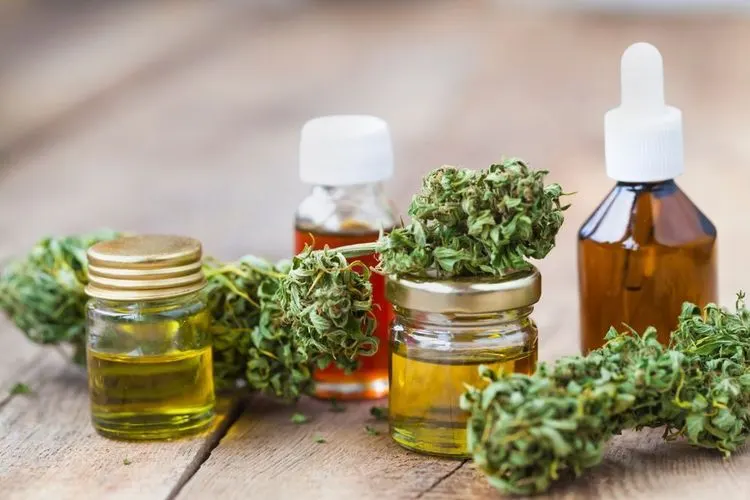
The Eastern Band of Cherokee Indians tribal council voted Thursday for an ordinance legalizing medical marijuana on tribal land. The vote is for the tribe's land known as the Qualla Boundary, which covers 100 square miles across five counties in western North Carolina. Cannabis is still illegal in North Carolina, although possession of less than an ounce will result in only a fine. The council's move will make the tribe's sovereign land the only place within the state's borders where marijuana can be legally owned. Prior to the council's vote, Chief Richard Sneed said the new regulation is the first of several steps towards full medical marijuana legalization. "There is so much science now that supports cannabis as medicine," Sneed told the tribal council. "It's really a question of the quality of life for people with debilitating diseases, chronic pain, chronic back pain, cancer." "This is really just the first step or kind of cornerstone on the way to medicine. We have to get there first," he added. The city council voted to remove a provision from the ordinance that would have allowed tribesmen to give but not sell small amounts of cannabis. Albert Rose, a council member who voted for the ordinance, said cannabis is already present on tribal land. "Go out and see some of the elders, it's their medicine," said Rose. Jeremy Wilson, the tribe's government liaison officer, said that "people want cannabis, the world is changing, society is changing." With possession of cannabis for medical use now legal on tribal land, the next piece of the puzzle will be to design and enforce regulations for the production, manufacture, and sale of medical marijuana products. "We want to have dispensaries here on Qualla Boundary and be able to sell, but we have to start this phase first," said Wilson. Councilor Richard French said legalizing medical cannabis could help contain the opioid epidemic in the area and said at the meeting that "it is for the good of our people." "We are all affected by opioids," he said. "All of us lost someone." After meeting to look at regulation last month, Wilson said legalizing medical marijuana would be a victory against addiction. "What we're doing here is trying to find a way to finally do something about the opioid crisis we've been grappling with for so long," he said. "Many people would want to use marijuana for their ailments rather than resorting to higher doses of prescription drugs. There are several stories out there that these things lead to addiction."