
Hemp looks back at a long history in Australia
Hemp has been produced in Down Under for over 50 years.
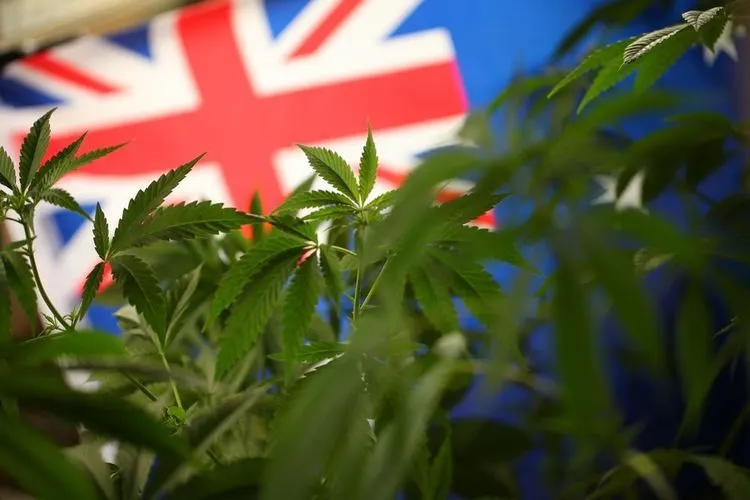
When a huge patch of Cannabis sativa was discovered growing wild in the Hunter Valley, about 100 miles north of Sydney, it sparked the birth of the pot counterculture in Australia. But the roots of the plant are much older, going back to Australia's establishment as the first British hemp colony. On the morning of November 16, 1964, the startled residents of the Australian city of Maitland woke to the news that the Indian hemp plant, which the newspapers referred to as "the dreaded sex drug marijuana", had been discovered growing wild on the banks of the Hunter River. That was a big mystery. The hemp plant is not believed to be native to Australia, but the sheer size of the Hunter Valley crop seemed to prove otherwise. The plant grew not just in individual clusters along a 40 mile stretch of the river, but in huge stands that stretched over hundreds of acres. The radio and television were inundated with reports of the wild hemp plant. The television news featured government workers standing in huge marijuana paddocks, spraying angrily. All the lurid advertising had a strong impact on the young people in the area who began organizing expeditions to the river. The time was ripe for smoking weed in Australia. The Beatles had just toured the country. For an entire generation waiting to tune in, the only question was how? The Maitland Mercury was good enough to provide the answer. The plant does not require any special preparation, "reported the newspaper." Flowering tips of the female plant or the leaves can be cut off and dried and used immediately. " Unlike American weeds, the Hunter Valley's wild hemp was a good smoke. Those who ventured there became known in Australian folklore as "Weed Raiders" - the first hashish smokers - legendary figures who returned from expeditions with sleeping bags full of weed and wild tales of monster plants three meters high. Both police statistics and popular wisdom confirm that the wave of marijuana smoking that would flood Australia for the next three decades originated with the Hunter Valley Weed Raiders. Ultimately, Customs estimated that 500 acres of the Hunter Valley were heavily contaminated with cannabis: the largest piece was over 80 acres. Mercury's competitor, the Newcastle Morning Herald, featured a farmer standing waist-deep in a 12-acre marijuana paddock on his East Maitland property. "Since the presence of the marijuana was made public," the paper reported, "the Department of Agriculture has been receiving calls from people asking how to extract the drug from the plant." Like the Mercury, the Morning Herald did not leave its readers in the dark for long. His article the next day informed readers that before smoking, marijuana simply had to be dried. Among the young and hip people along the coast, from Noosa Head to Melbourne, radio communications soon spread to good locations. By 1966, many were getting rich selling cabbage on Hunter Street. "What happened then changed the lives of many people and led to the hippie generation," reports an old surfer. "The weed was the catalyst. Those who knew turned on a lot of people and they turned on others. It spread very quickly." The Cops and Raiders game was great fun for the locals. "Coming back on the highway with a sugar bag full of heads and the cops on the prowl could be quite annoying," recalls a former raider. "Some boys filled their hubcaps with grass. Others went out secretly on moonlit nights and took the time to pick pound after pound of herb. From then on, our lifestyles began to change." Along with the grass, rumors spread among surfers. One said marijuana had been seen growing in the flower beds at Maitland Police Station. Another said that local farmers received bounties for handing over weed raiders. This last rumor was later confirmed by farmers and by published reports from the Department of Customs and Excise. The first major arrests in Australia took place in Hunter.