Slovakia is the Last European State that Legalizes CBD in Europe
CBD is now officially legal in all European Union member states.
 Frank M. StockerOctober 5, 2026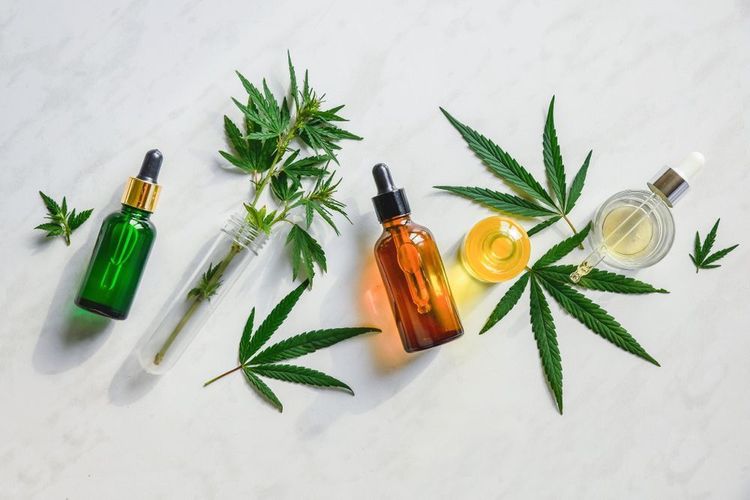
Slovakia, a member state of the European Union, has just become the last nation to have formally declared at the federal level that CBD is not psychotropic. On March 18, the Ministry of Health submitted a formal proposal to legalize cannabidiol, using the United Nations decision as a guideline. This is not news. After all, last fall, CBD was officially re-classified as "no narcotic" at European level. This in turn effectively created an environment within the EU on a regional level, at least for hemp, similar to what happened in the United States after the 2018 Farm Bill. Slovakia is only the last sovereign government to receive the "memo". But the way from here is far from clear. The fact is that the debate on the many issues surrounding the homogeneity of cannabis regulation in the EU has only just begun. That includes how CBD fits into products that are consumed by both humans and pets. It also involves much larger questions about the industry at the "consumer" - if not "leisure" level. One of the biggest annoyances is how both the plant and individual cannabinoids are treated far from CBD. For example, even hemp is technically listed in the German Narcotics Act. At the regional level, however, there are loopholes when THC-free extracts are to be added to foods. Cross-border these are even more controversial - although to the extent that they appear in court (including in France last year and in Germany only last month), European regulations, where they exist, have begun to shape the talks at the national level even if they are not critical. In addition, the big discussions about "novel food" and cannabinoids, as will undoubtedly show from next year, will not only be limited to CBD (as before). THC-laden chocolate, for example, will fall in the same bucket as its cannabinoid counterpart - and so far the problems with CBD are far from over. In addition, of course, the question arises where cannabinoids for human consumption will come from. On the recreational side, it is unlikely that any THC will hit the market (at least across borders) that is not GMP. This effectively creates a double regulatory hurdle for just two parts of a single plant (in other words, would a GMP-THC product be submitted for a novel food application for it?).