
Michigan University starts its first cannabis scholarship
The Cannabis chemistry scholarship is the first of its kind in the country.
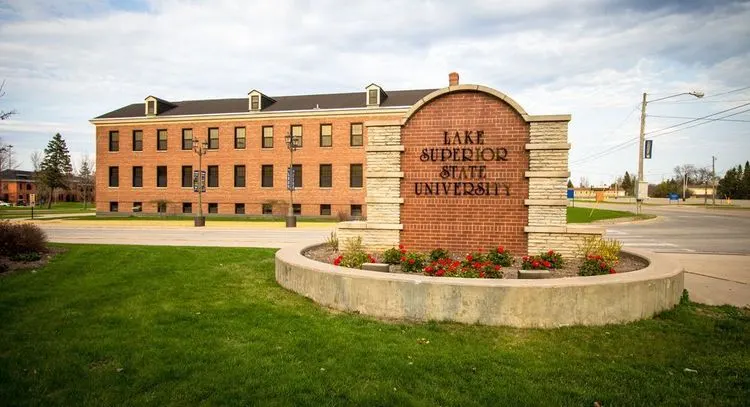
Lake Superior State University is making history as the first school to offer a cannabis chemistry scholarship to undergraduate students, a move that is exciting for those looking to get into the industry. This college in Sault Ste. Marie, Michigan, was already in the news for offering her groundbreaking cannabis chemistry program, which has been available to college students since 2019. Now they are supporting this bold move with a scholarship for those who need help to attend the program and afford school. This new cannabis chemistry scholarship would not be possible without the support of Steadfast Labs, a cannabis testing facility in Hazel Park, Michigan that works with the college. Steadfast Labs funds a $ 1,200 scholarship each year for students studying cannabis chemistry, opening even more opportunities for LSSU students. "We are committed to nurturing and supporting the best scientific talent," said Avram Zallen, founder and CO of Steadfast Labs. "We believe that education is key to increasing the level of safety and integrity in the industry - education for the consumer and education within the industry." "The scholarship underlines the key components of our mission statement: to be avant-garde and to promote social mobility," added LSSU President Dr. Rodney S. Hanley on the new, unique opportunity for those studying cannabis chemistry. To be eligible for the Cannabis Chemistry Scholarship, students must be at least in their sophomore year and have a grade point average of 3.0 or higher. Students living in the Detroit area are preferred as Steadfast Labs is based in Detroit. Since 2019, when the school first pioneered the nation's first cannabis chemistry program, enrollment in chemistry and cannabis has "grown exponentially," according to Dean Steve Johnson, College of Science and the Environment. In 2020, the school went one step further and opened a cannabis chemistry facility for students and teachers. Those participating in the program can now use real cannabis buds, rather than just surrogates similar to the cannabis plant, while, in the words of the school, "fully compliant with all legal requirements for the limited use of regulated materials in an educational setting stay." This new move of accepting a cannabis chemistry scholarship makes the program even more inclusive and accessible, and borrows from the equality movements that have taken place in the United States over cannabis this year and last. In addition, while the LSSU program is the first of its kind to "focus directly on cannabis chemistry," more colleges are now following suit. The school claims the cannabis industry should create more than 500,000 jobs by next year, and its goal is to ensure that those who graduate are prepared to do it in the areas of “public health and safety, regulatory management and Business applications "to work. Thanks to this exciting new cannabis chemistry scholarship, students will be more able to study their chosen path and ultimately become qualified to work in clinical chemistry, food safety and quality assurance, or formulation and process development in the growing cannabis industry work. And as programs like this gain traction in the academic world, the stigma against cannabis is slowly receding.