
Uranium could be 2021´s winner
Prices for the energy metal could have a comeback this year.
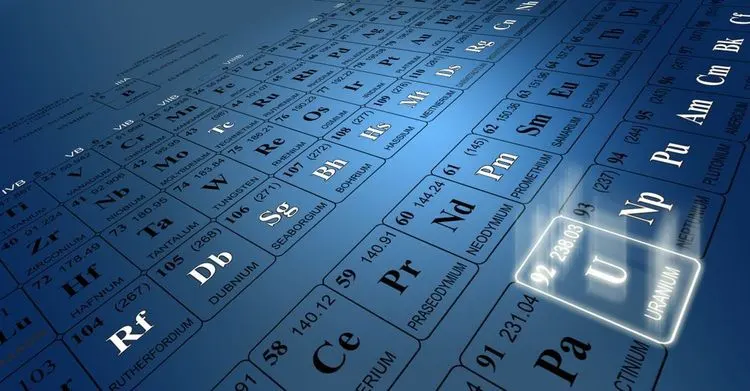
The uranium market is emerging from its years of slack as the overhang from the nuclear disaster in Japan is torn down and global demand picks up.
The spot price for U3O8 hovered above $ 30 a pound for the first time this year as uranium producers and mine developers replenish above-ground supplies and reactor construction continues. Two new research notes from BMO Capital Markets and Morgan Stanley say today's price marks a bottom and predict a price rally to the ~ $ 50 mark in the next few years through 2024. The stars appear to be pointing for a new phase of nuclear investment as the US, China and Europe supported the fuel bull market this month.
Although nuclear energy was not explicitly mentioned in Biden's $ 2 trillion infrastructure proposal published today, the "standard for energy efficiency and clean electricity" demanded by the federal government can hardly be achieved without it. Leaked documents over the weekend showed that a panel of experts advising the EU will identify nuclear energy as a sustainable source of electricity, opening the door to new investments under the continent's ambitious green energy program. China's 14th Five-Year Plan, released two weeks ago, also gave the uranium market a boost as Beijing plans to increase the country's nuclear power capacity by 46% - from 48 GW in 2020 to 70 GW by 2025. There are several factors in favor of uranium, not the least of which is the fact that annual demand for uranium is now above what it was before the 2011 Fukushima disaster, when Japan shut down all of its reactors: \-
Uranium miners, developers, and mutual funds like Yellow Cake (£ 13m inventory build so far) are buying material on the spot market, bringing government and utility inventories built up over the last decade to more normal levels Major mines are closed, including Cameco's Cigar Lake (due to Covid-19) which accounts for £ 18m or 13% of annual mine supply. The world's largest uranium operation, McArthur River, closed in July 2018, taking £ 25 million off the market Permanent closings this year include Rio Tinto's Ranger operation in Australia (3 million lbs) and Niger's Cominak mine (2.6 million lbs), which has been operational since 1978.
After the sale of Rössing Uranium in Namibia, Rio leaves the market entirely. \- Like Cameco, top producer Kazatomprom, which mined 15% less material last year due to Covid restrictions, has committed to producing below capacity in the foreseeable future (-20% for the Kazakh state-owned mining company) \-
The pricing research firm UxC estimates that utilities' unmet needs will rise to around 500 million lbs by 2026 and 1.4 billion lbs by 2035 \- About £ 390 million is long-term in the market, while £ 815 million has been consumed in reactors over the past five years, according to UxC \- Worldwide, 444 nuclear reactors are in operation and another 50 are under construction - 2 new grid connections and construction has started in 2021 \-
The much cheaper and safer small modular nuclear reactors, which can be easily housed in fallow land such as decommissioned coal-fired power plants (or even underground or underwater), are expected to become a major source of additional demand. However, there are reservations about this rosy scenario. Morgan Stanley warns that "the opacity of inventory remains a major price uncertainty - see e.g. palladium, which took nearly 7 years of deficit before price really took off."
BMO says that with inventory levels still high, "acute shortages and price pressures are extremely unlikely, both this year and for the foreseeable future," adding that "there is no apparent need for new mine supplies in the near future. "