
Qualcomm wants to invest in Arm
The CEO says the British chip designer is a "major asset" in the $500 billion semiconductor market
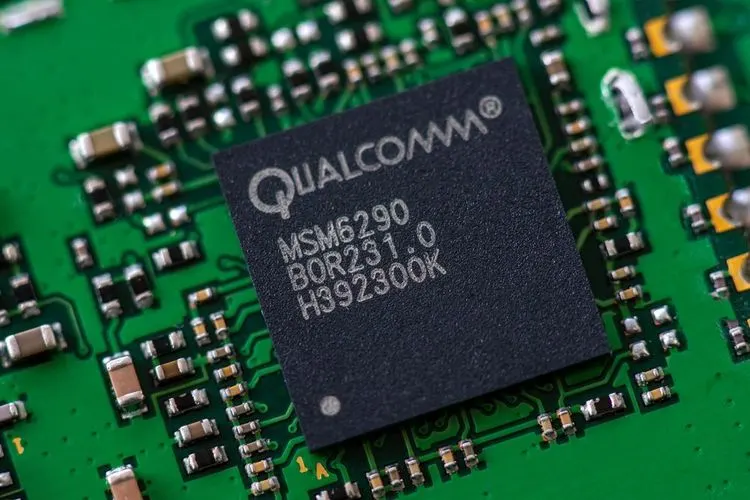
US chipmaker Qualcomm wants to take a stake in Arm along with its competitors, forming a consortium that would keep the British chip designer neutral in the highly competitive semiconductor market.
Japanese conglomerate SoftBank plans to list Arm on the New York Stock Exchange after its $66 billion acquisition by Nvidia fell through earlier this year. However, the IPO has raised concerns about future ownership given the company's pivotal role in the global technology sector.
"We are interested in investing," Cristiano Amon, Qualcomm's chief executive officer, told the Financial Times. "It is a very important asset that will be crucial for the development of our industry.
He added that Qualcomm, one of Arm's largest customers, could join forces with other chipmakers to buy Arm outright if the consortium making the purchase is "big enough." Such a move could allay concerns about Arm's corporate control after the upcoming IPO.
"You would need a lot of companies to get involved to have a net effect of Arm being independent," he said.
Founded and headquartered in the UK, Arm was listed in London and New York before being acquired by SoftBank for £24.6bn in 2016 - despite widespread concerns that Britain's most successful tech company could fall into foreign hands could.
Some British politicians have called for the government to buy a "golden share" in Arm, which would recognize the company's status as a key strategic asset for the country.
But despite intense British lobbying, SoftBank is believed to be pushing for a US listing, raising questions about future control of a company long thought to be "the Switzerland" of the $500 billion global semiconductor industry. Arm has licensing agreements with partners regardless of size or geography, which has resulted in its intellectual property being used in the majority of chips sold worldwide.
Amon's intervention will give fresh impetus to the idea of a consortium of chipmakers becoming the cornerstones of Arm. Intel CEO Pat Gelsinger hinted earlier this year that the US chipmaker could support such a move.
Qualcomm has opposed Nvidia's proposed acquisition of Arm, claiming it doesn't make sense for a single chipmaker to take control of a company that is fundamental to the industry as a whole.
"Arm won everywhere because of the collective investments of the entire ecosystem, from companies like Apple and Qualcomm and many others, and it was because it was an independent, open architecture that anyone could invest in," Amon said, referring to refers to the time before the company was bought by SoftBank.
As demand for semiconductors doubles over the next 10 years and the world struggles to recover from a multi-year chip crisis, makers of the technology found in all modern electronics will focus more than ever on the designs left by arm.
"If we look around today, I think the trend is that it's all going to arm," Amon said, citing the chip IP designer's recent expansion beyond cellphones into cars, the Internet of Things and data centers.
After several years of low earnings, Arm reported record annual sales of $2.7 billion in 2021, up 35 percent from the previous year. Licensing revenue grew nearly two-thirds, with royalties up a fifth to $1.5 billion.
Amon said Qualcomm hasn't spoken to SoftBank about a potential investment in Arm. He added that the Japanese group's priority is to resolve a problem in Arm's breakaway China unit.
Allen Wu, the head of Arm China, effectively controlled the unit but fell out with the British parent company and with SoftBank.
However, recent official Chinese records show that Wu was relieved of all his duties at Arm China, paving the way for Arm's IPO.
Investing in Arm alongside peers would support "a successful IPO and valuation" and ensure the company "continues to strive and invest," according to Amon.