
Jay Powell: Curbing inflation will cause 'pain'
The risk of a recession may depend on factors beyond the Federal Reserve's control, the chairman warns
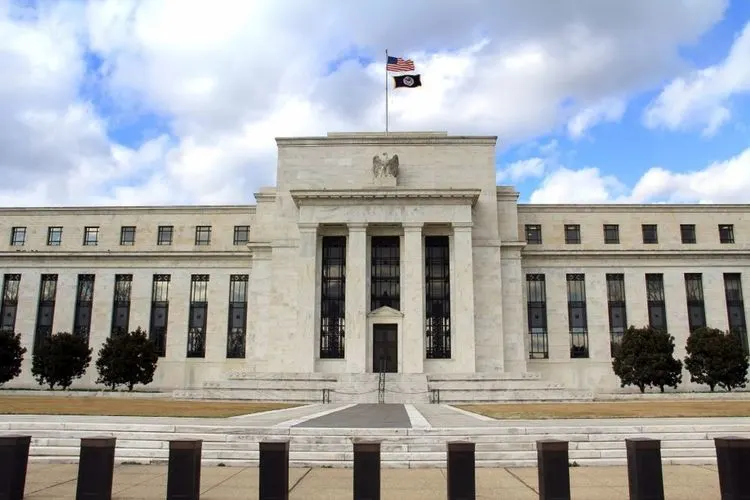
Federal Reserve Chairman Jay Powell has warned that cutting inflation to the Federal Reserve's target of 2% will cause "some pain".
Powell's comments, among his most dovish yet, come at a time of significant uncertainty about the economic outlook as the Fed begins what is likely its fastest monetary tightening in years.
The central bank has hiked interest rates by 0.75 percentage points from near-zero levels seen since the early days of the coronavirus pandemic, and hiked rates by half a percentage point just last week.
The measures are part of the central bank's plans to "speedily" bring its policy to a neutral level that no longer stimulates demand. In addition, the central bank will begin reducing its $9 billion balance sheet next month.
In an interview with Marketplace on Thursday, Powell reiterated the Fed's determination to bring inflation down, emphasizing the challenge of doing so without job losses and a possible recession.
"The process of bringing inflation down to 2 percent will also involve some pain, but ultimately what would be most painful would be if we failed to deal with it and inflation became entrenched at high levels in the economy ", he said.
"The question of whether or not we can do a soft landing can actually depend on factors that are beyond our control," Powell added. "But we should control the controllable...there is a job for the demand to do."
The Fed is expected to make at least two more half-point hikes in June and July and maintain that pace at its September meeting. After that, the Fed is expected to cut its rate hikes back to quarter-points. Traders expect the benchmark interest rate to rise to around 2.7% by the end of the year.
Powell tried to spell out the Fed's willingness to raise rates by 0.75 percentage point at some point, after telling a news conference last week that the central bank "is not actively considering" doing so.
"If the numbers are better than expected, we're ready to do less," he said. "If they turn out worse than we expect, then we're ready to do more.
Powell's comments, released just hours after the US Senate overwhelmingly voted to win his second term, capped a series of historic votes that have reshaped the top tier of the central bank.
Powell, who was appointed Fed chairman by Donald Trump in 2017 after serving as governor since 2012 and once served as a senior Treasury official under George HW Bush, received 80 votes in favor while 19 senators voted against him.
Lisa Cook, professor of economics and international relations at Michigan State University, and Philip Jefferson, professor of economics at Davidson College, were also confirmed by the Senate this week to fill two vacancies on the Board of Governors.
Powell also defended the Fed's previous actions on Thursday, but acknowledged that an earlier start would have been more appropriate.
"It would probably have been better if we had raised interest rates a little sooner," he said. "I'm not sure how much of a difference it would have made, but we have to make real-time decisions based on what we know at the time and we've done our best."