
An extended lockdown in German will have bitter consequences on economy
A German economic institute still predicts a slight growth in Q2.
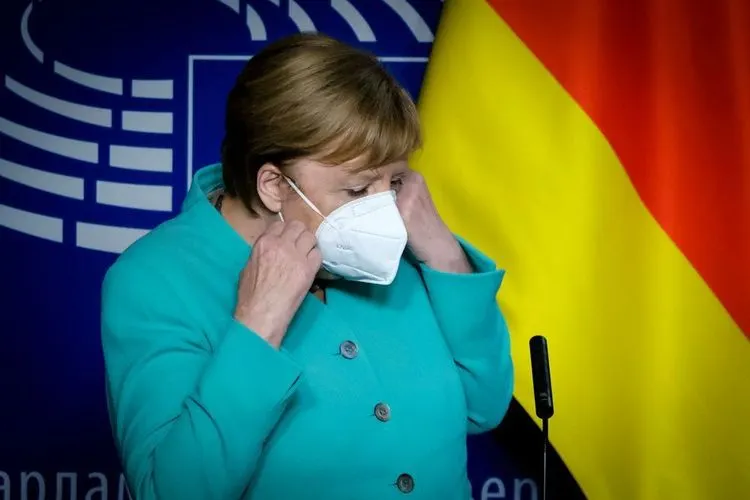
Germany's extended shutdown to curb the spread of the coronavirus will put a strain on Europe's largest economy, but not stall. The Ifo Economic Institute is forecasting growth of 3% for the second quarter. Chancellor Angela Merkel and the 16 federal states agreed on Tuesday to extend the work stoppage until mid-February, as Germany, which was once considered a role model in the fight against the pandemic, is struggling with a second wave of infections. The Ifo Institute said the gross domestic product will likely stagnate in the first quarter before growing by three percent in the spring compared to the previous quarter. "Every week with a longer block leads directly to losses in sales, production and value creation," said Ifo economist Timo Wollmershaeuser. Commerzbank (DE: CBKG) economist Jörg Kraemer said the lockdown's impact on retail and services is likely to result in a 2% GDP decline in the current quarter, adding that the economy is normally unrestrained activity would grow by 2%. Last year, the German economy contracted 5%, less than expected and a smaller contraction than during the global financial crisis, as unprecedented government rescue and stimulus measures helped cushion the shock of the pandemic. The statistical office will publish the GDP figures for the fourth quarter on January 29th, when some foreclosure measures have already been implemented. On Monday, before the decision to extend the lockdown, the Bundesbank said the economy could manage to stay afloat but could suffer a "significant setback" if coronavirus restrictions were extended again.