
Demand for the iPhone 13 series weakened
Apple informs suppliers of weak sales
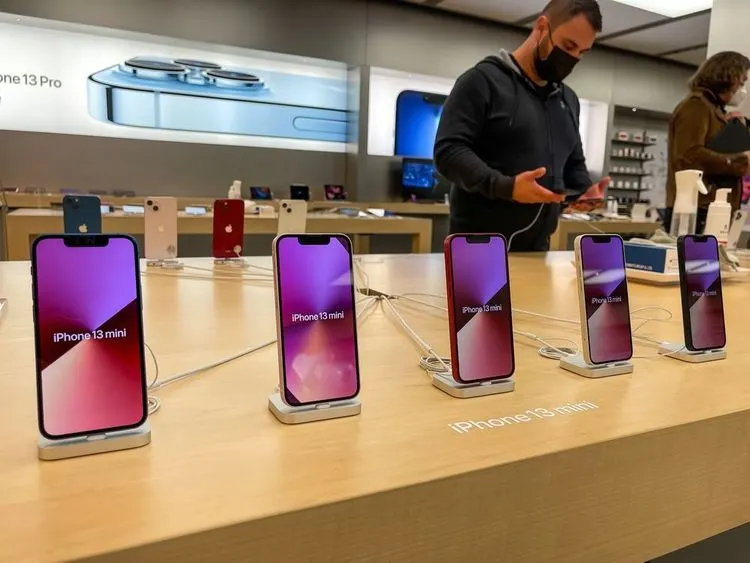
Apple Inc. has told its suppliers that demand for the iPhone 13 has slowed, Bloomberg News reported Wednesday, a move that signals a waning consumer interest in the usually coveted latest upgrades.
The company cut production of the iPhone 13 by up to 10 million units instead of the target of 90 million due to a global chip shortage, but it has now informed suppliers that even those numbers are unlikely, the report said.
Apple (Nasdaq: AAPL) shares fell over 3%, dragging shares of iPhone component and semiconductor suppliers Qualcomm (NASDAQ: QCOM), Skyworks (NASDAQ: SWKS), Europe's ASML and Infineon (OTC: IFNNY) down .
Apple and its suppliers did not respond to Reuters' requests for comments.
The Christmas season is the most important quarter for Apple and typically also for its flagship product, the iPhones, which start at $ 699 and go as high as $ 1,600.
Analysts had expected demand for new products to remain stable, but lowered their estimates for shipments as problems in the supply chain weighed on the company and many retailers grappling with inventory shortages.
Consumers who invested in new phones and laptops because of their homes during the height of the pandemic are now spending more on vacations and outdoor activities.
"As the lockdowns subsided, spending on these leisure activities returned, so the new iPhone is likely to be less in demand. We believe that (iPhone) demand will decline in 2022," said Tarun Pathak, an analyst at Counterpoint Research.
IDC analyst Ryan Reith believes that demand for smartphones is not so much drying up as US consumer spending is slowing due to the pandemic.
Apple CEO Tim Cook warned in October that the impact of the supply bottlenecks, which cost the company $ 6 billion in revenue in the fourth quarter, will be worse in the Christmas quarter, even though demand for the new line of products has been robust.