
Cannabis is coming to California State Fair 2022
Fair wants to award the state's best weed
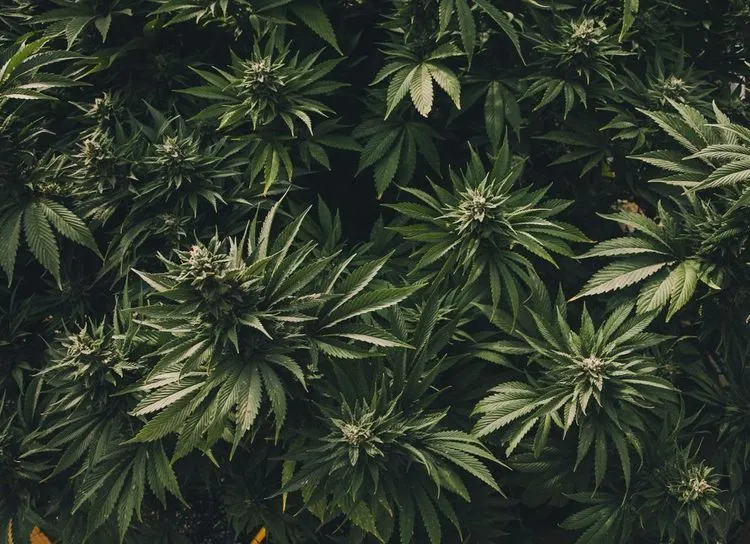
After a two-year pandemic hiatus, the 2022 California State Fair returns with a new category of competition: cannabis. Yes, the fair will award the state's best bud. It could be the most culturally significant moment for California agriculture since the famous Paris judgment, a blind tasting in 1976 where a panel of mostly French wine judges rated Napa Valley wines higher than Burgundy and Bordeaux - a result that upset the wine world and sparked enthusiasm for Californian wine.
California didn't legalize recreational marijuana use until 2016. In five years it has grown from a simple sachet of skunk bought from a friend of a work colleague to a product that is invited to the State Fair's jellies and marmalade competition. It's almost like someone flicked a switch and brought the weed into the mainstream.
From a purely agricultural standpoint, the cannabis plant has earned its place at the Sacramento Exhibition Center. Marijuana and its producers have played a vital role in the state's economy for decades, generating more than $ 3 billion in licensed cannabis sales annually. That means it would take a respectable fourth place in the state's rankings as an agricultural product - right after dairy, almonds, and grapes, and just ahead of pistachios. If you add the illegal market for cannabis, it is by far the number one agricultural product in the state.
That means cannabis is overdue to take its place at the fair alongside artisanal products like olive oil, cheese, and wine. Away with the goats and llamas. Cakes and bread are left behind. The state where five high school friends coined the term "420" 50 years ago has a different type of baking in mind.
Not that anyone at the fair would actually use cannabis.
Competitions to determine the potency and taste of strains of marijuana are not new. The groundbreaking Cannabis Cup in Amsterdam, launched by High Times magazine in the late 1980s, was so successful that it created a global industry for such competitions. Breeders come from all over the world to showcase their unique strains - from landrace inherited marijuana to genetically modified hybrids. Winning a Cannabis Cup is a big deal; the seeds of the winning strains can be worth millions.
In Amsterdam, evaluation is traditionally done by a group of stoners who seriously smoke weed on a houseboat, but California takes a science-based and resolute high-tech approach. Instead of smoking to find the horniest taste and effect, the plants are evaluated using laboratory tests - it's like putting a gourmet dish in a blender and then measuring how many calories it contains. I almost imagine a Roomba driving around the house with a joint in its mouth.
The buds undergo a full test for CBD, short for cannabidiol, a compound commonly used as an anti-inflammatory agent in ointments, creams, and oils, and for THC, the psychoactive component that keeps users high as well as the five different terpene profiles that give cannabis its unique flavors and effects.
Think of it as a Bill Clinton-inspired version of a tasting: no one will inhale.
It's the terpenes - the hoppy scent of myrcene or the citrus fruitiness of lime - that can make smoking high-quality marijuana such a pleasure. And within the strains broadly referred to as Indica, Sativa, and Hybrid, there are hundreds of combinations of these different terpenes that bring unique flavors, scents, and sensations of euphoria, relaxation, or an extra boost of energy. If you subtract the terpenes, basically all that's left is hemp. This one is perfect for making paper or rope, but not so good for listening to reggae.
In wine competitions, there are dozens of different grape varieties such as Albariño, Chardonnay and Macabeo in the white wine category. Experts taste the wine and give a judgment, sometimes they spit it into a bucket. Real people use their senses, knowledge and experience to determine quality.
California may be the world's technology capital, but putting technology in the judge's seat may be going a little too far. Machine analysis cannot possibly estimate the nuances of a flower in the same educated way as a skilled ganjier - a cannabis sommelier. If you think wine lists in fancy restaurants are intimidating, try analyzing a pharmacy card without expert guidance.
The proposed cannabis evaluation at the state fair and the award ceremony that followed it seems like an awkward compromise between people who enjoy smoking marijuana and those who suffer from whiplash from the sudden acceptance and rise of smoking weed.
Although you have to be fair to the judges, the analyzes level the playing field. Competition is not influenced by personal preference, and flowers are compared to those that have similar chemical profiles. As a future cannabis juror put it at the state fair: "You wouldn't judge a rosé against a Cabernet."
This approach may be science-based and completely impartial, but as a judge, I'd drink the rosé. It seems like the State Fair wants to recognize the importance of cannabis to California - but they don't want you to have fun doing it.
Mark Haskell Smith is a Los Angeles based writer. His books include Heart of Dankness: Underground Botanists, Outlaw Farmers, and the Race for the Cannabis Cup.