
Zambia's Copper Conquest: Setting Sights Beyond Glencore's Reach
Zambia's Copper Gambit: Challenging the Giants in the Global Trading Arena
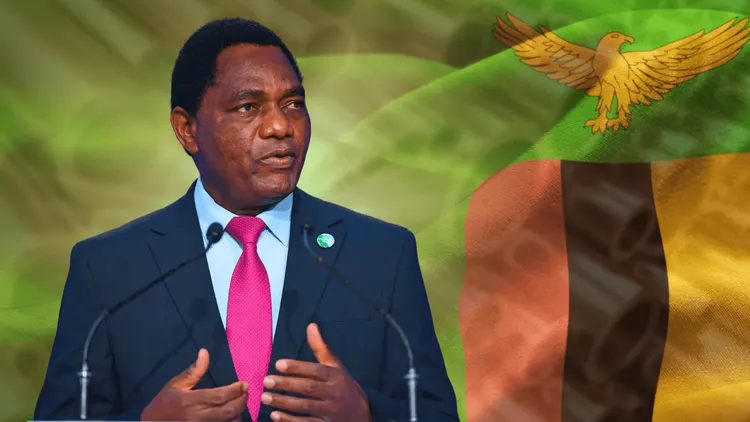
In an ambitious move, Zambia is setting the stage to revolutionize its economic landscape by directly entering the global copper trading market. Historically, the nation has been a pivotal player in the mining sector, with its rich copper reserves contributing significantly to its economy. However, in a strategic pivot, Zambia now aims to directly buy and sell a portion of the copper produced within its borders, potentially altering the dynamics of the global copper trade.
Zambia's Bold Move
In what can be seen as a bold assertion of economic sovereignty, Zambia has decided to directly trade its own copper. This initiative positions the country in direct competition with some of the world's commodity trading behemoths, including Mercuria Energy Group Ltd. and Glencore Plc. The move signifies Zambia's intent to assert more control over its natural resources and to reap greater economic benefits from its mineral wealth.
Strategic Intentions
Jito Kayumba, President Hakainde Hichilema’s senior economic adviser, articulated Zambia's strategic intentions clearly. The plan is not just about entering the trading realm but doing so in a manner that is "fair" and "commercially suitable" for mining companies. Zambia's vision is to become a formidable commercial player in the commodity trading market, providing competitive financing for mines and ensuring that the nation secures a fair share of the resource benefits.
Regional Context
Zambia's decision does not occur in isolation but aligns with a broader regional trend. Neighboring countries like Botswana and the Democratic Republic of Congo have also been striving to secure greater benefits from their mineral wealth by gaining direct access to commodities for sale. Despite holding stakes in various mines, Zambia, much like its neighbors, has long argued that state revenues from mining activities are insufficient, pushing for more lucrative and direct involvement in the commodity market.
Major Players in Zambia's Mining Sector
Prominent companies, including First Quantum Minerals Ltd. and Barrick Gold Corp., play a crucial role in Zambia's mining sector. As Africa’s second-biggest copper producer, Zambia's decision to start trading its copper directly could significantly impact these industry giants, potentially reshaping business models and revenue streams.
Financial Strategies and Goals
The Zambian government plans to kickstart its trading business with an initial investment of about $100 million, with aspirations to expand further. According to Kayumba, the government could have legislation ready in the next three to six months to facilitate this initiative. This legislative framework is expected to enable the government to receive physical metals instead of traditional royalties from some mines, marking a significant shift in the country's approach to mining benefits.
Government's Approach to Mining Royalties
Zambia's decision to opt for physical metals over royalties from certain mines is a strategic move aimed at disrupting traditional mining revenue models. This innovative approach is poised to provide the government with more tangible and direct economic benefits from its natural resources.
Challenges in the Mining Sector
Despite its potential, Zambia's mining sector is not without its challenges. Kayumba highlighted issues such as "financial engineering" and "creative accounting," such as transfer pricing, which significantly reduce the country's chances of securing substantial dividends from its mining operations. The direct trading initiative is seen as a remedy to these challenges, promising more transparency and fairer profit distribution.
The Road Ahead for Zambia's Copper Trading
To facilitate this ambitious project, the government is set to hire necessary expertise and leverage its direct access to resources as a competitive edge. Kayumba emphasized that this direct involvement in copper trading would offer a window into the financial intricacies of commodity trading, particularly shedding light on the flow of profits, some of which end up in countries like Switzerland, a major hub for commodity traders like Glencore.
Implications for the Global Commodity Market
Zambia's entry into the copper trading market is not just a national endeavor but a move with significant implications for the global commodity market. The country's initiative is set to introduce a new level of transparency in the market, potentially influencing global copper prices and trading dynamics.
Impact on Local Economy
The direct trading of copper is expected to bring substantial benefits to Zambia's economy. Increased control over copper prices and revenues can lead to enhanced economic stability and growth, providing a much-needed boost to the nation's financial health.
International Relations and Trade Dynamics
With about 46% of Zambian export earnings coming from European countries like Switzerland, Zambia's new trading model could have profound implications for international trade relations. The shift towards direct trading may alter the dynamics of international copper trade and reshape Zambia's economic interactions on the global stage.
Critiques and Concerns
While the initiative is ambitious and holds promise, it does not come without its set of challenges and potential criticisms. Navigating the complex world of international commodity trading, especially against established giants like Glencore, will require meticulous planning, robust strategies, and unwavering commitment.
Conclusion
Zambia's decision to start trading its copper is a bold step towards economic emancipation and greater control over its natural resources. As the nation embarks on this journey, the world watches keenly, anticipating the ripple effects of this initiative on the global copper market and Zambia's economy. Only time will tell how this bold move will pan out, but one thing is clear: Zambia is not just a player in the global mining industry; it is now a game-changer.