
US Steel Stays American: Biden Blocks Nippon Steel Takeover
National Security or Economic Protectionism? Biden’s Bold Stand on Nippon Steel’s US Takeover
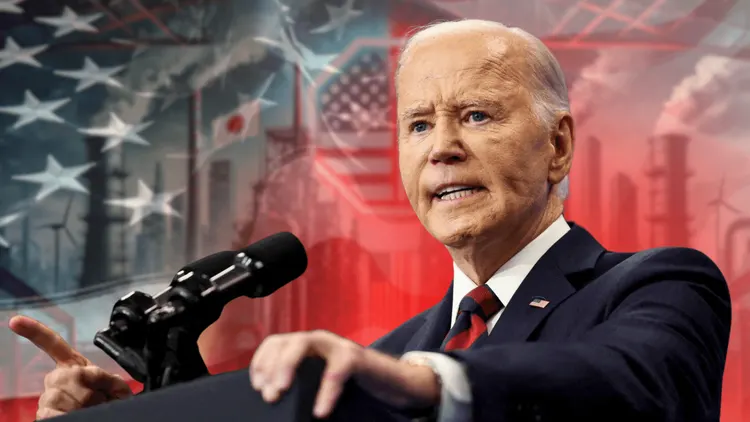
In a move that sent shockwaves through the global steel industry, President Joe Biden has formally blocked Nippon Steel Corp.’s $14.1 billion acquisition of United States Steel Corp. The decision, announced after a US security review, underscores Biden's commitment to safeguarding national interests amid increasing scrutiny of foreign investments in critical industries.
National Security at the Forefront
Biden's decision was clear-cut: America’s steel industry is a linchpin of its infrastructure and defense capabilities. “We need major U.S. companies representing the major share of US steelmaking capacity to keep leading the fight on behalf of America’s national interests,” Biden stated. The administration cited concerns over potential risks to national security and critical supply chains as key reasons for rejecting the deal.
This bold move aligns with the growing trend of prioritizing economic sovereignty, particularly in industries deemed vital for national security. The Committee on Foreign Investment in the United States (CFIUS), a powerful government panel, flagged the takeover for further scrutiny before referring it to the White House. Biden’s decision not only reflects domestic priorities but also signals his administration’s stance on foreign investments from allies like Japan.
Union Influence and Economic Implications
The United Steelworkers union, a formidable political force, played a pivotal role in opposing the transaction. Union President David McCall lauded the decision, asserting that the deal would have jeopardized the domestic steel industry. “It’s clear from U.S. Steel’s recent financial performance that it can easily remain a strong and resilient company,” McCall said.
However, this decision raises pressing questions about the future of US Steel. The company, which has struggled with sluggish performance and aging facilities, may need to restart the sale process or seek alternative strategies for growth. Potential buyers, including Cleveland-Cliffs Inc., have shown fluctuating interest in acquiring the company.
A Blow to Nippon Steel’s Global Ambitions
For Nippon Steel, the rejection of this deal is a significant setback. The Japanese steel giant had viewed the acquisition as a crucial step toward global expansion and enhancing its competitive edge. Now, it must explore other avenues for growth and potentially reevaluate its strategy in the face of geopolitical and regulatory challenges.
Political Firestorm and Election-Year Dynamics
The takeover bid became a lightning rod for political debate, especially as the 2024 US presidential election drew near. Biden’s firm stance on protecting American jobs and industries resonated with voters but also sparked criticisms of economic protectionism. The broader implications of this decision extend beyond the steel industry, raising critical questions about the balance between open markets and national security.
Conclusion: A Precedent-Setting Move
President Biden’s decision to block Nippon Steel’s bid for US Steel marks a defining moment in the intersection of economics, politics, and national security. It highlights the administration’s focus on domestic resilience while reinforcing its commitment to safeguarding critical industries. As the dust settles, both US Steel and Nippon Steel face uncertain futures, but the broader message is clear: America’s strategic industries are non-negotiable.