
The Rise and Fall of Panama's $10 Billion Copper Mine
Unraveling the Collapse of a Multibillion-Dollar Mining Venture in Panama
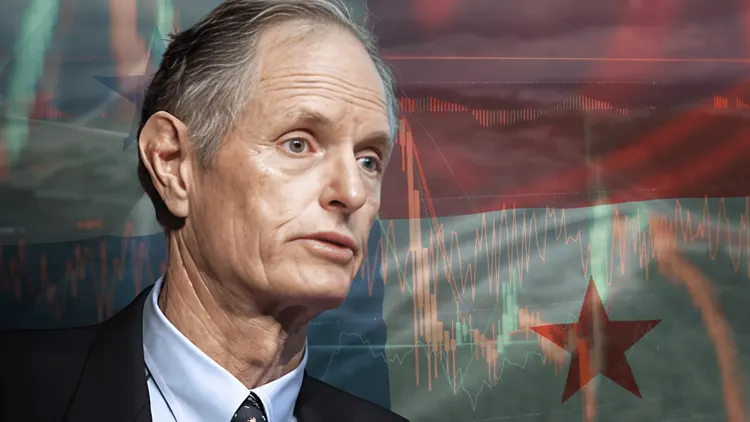
In December 2016, a group of mining executives found themselves in the grand Palacio de las Garzas in Panama, discussing the progress of the country's most significant project in a century—the Cobre Panama copper mine. However, warnings from the president about impending tax renegotiations went unheeded, setting the stage for a dramatic turn of events.
Background of Cobre Panama
Cobre Panama was poised to become the cornerstone of Panama's economy, promising substantial GDP contributions and employment opportunities. Spearheaded by First Quantum Minerals Ltd., the project was a testament to bold investment in uncharted territories.
Philip Pascall's Approach
Philip Pascall, the charismatic leader behind First Quantum, had a history of defying norms and venturing into challenging regions. His vision led the company to expand into Panama, despite warnings about unsettled tax disputes.
Construction and Early Challenges
Construction of Cobre Panama faced numerous hurdles, from logistical issues in the dense jungle to legal disputes over taxation. However, Pascall remained undeterred, prioritizing speed and cost efficiency over addressing looming tax concerns.
Global Context of Energy Transition
Against the backdrop of the global shift towards renewable energy and electric vehicles, the demand for copper soared. Cobre Panama stood poised to meet this demand, presenting a lucrative opportunity for First Quantum.
Relationship with Panamanian Government
Pascall's rapport with President Juan Carlos Varela initially shielded First Quantum from tax renegotiations. However, the change in government under Laurentino Cortizo signaled a shift in Panama's stance, leading to prolonged negotiations over tax terms.
Cortizo's administration sought to rectify the perceived imbalance in tax arrangements, pushing for higher royalties and a minimum annual tax. First Quantum found itself in a protracted negotiation, culminating in a tentative agreement after years of deliberation.
As discontent simmered among Panamanians over economic challenges and environmental concerns, protests erupted following the approval of the new tax deal. Suntracs, a prominent construction union, played a pivotal role in mobilizing opposition, culminating in the blockade of the mine.
Closure and Aftermath
Amid escalating tensions, the government made the unprecedented decision to shut down Cobre Panama, plunging First Quantum into turmoil. The closure reverberated across the mining industry, highlighting the precarious nature of investments in geopolitically volatile regions.
Global Implications
The closure of Cobre Panama exacerbated concerns about the global supply of copper, critical for the energy transition. Mining companies warn of impending supply constraints, underscoring the need for collaborative solutions to navigate geopolitical challenges.
The saga of Cobre Panama serves as a cautionary tale for mining companies, emphasizing the importance of navigating geopolitical risks and fostering trust with host governments. As the world grapples with the imperatives of the energy transition, proactive engagement and strategic foresight are paramount.