
What Factors Are Driving the Unprecedented Surge in Cocoa Prices?
Navigating the Turbulent Waters of the Cocoa Market: Understanding the Impact of Supply Shortages and Price Volatility
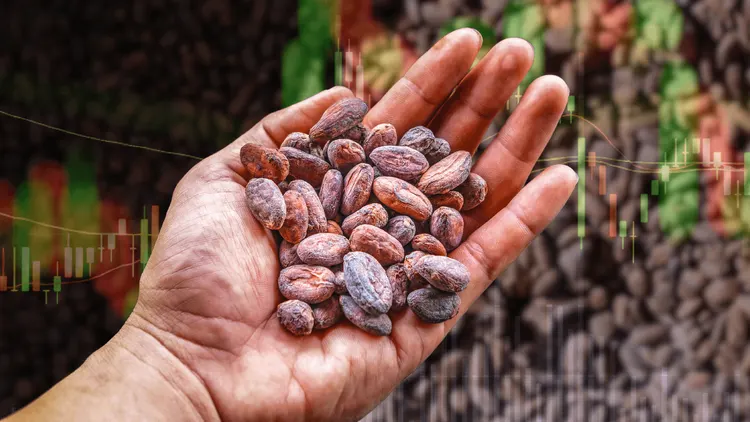
Cocoa, often dubbed as the "food of the gods," continues its upward trajectory in the global commodity market, reaching yet another milestone amidst persistent supply challenges in West Africa. This article delves into the factors driving cocoa prices to new heights and the far-reaching implications for stakeholders across the supply chain.
Factors Contributing to Cocoa Price Surge
The surge in cocoa prices can be attributed to a confluence of factors, primarily stemming from the West African region, which accounts for a significant portion of global cocoa production. Adverse weather conditions, including erratic rainfall patterns and prolonged dry spells, have wreaked havoc on cocoa plantations, exacerbating the impact of crop diseases such as swollen shoot virus and black pod disease. These challenges have severely hampered cocoa yields, leading to a supply-demand imbalance and driving prices upward.
Moreover, the cocoa market has been roiled by increasing margin calls and diminishing open interest, amplifying market volatility and exacerbating price fluctuations. As speculative trading activity intensifies, market participants are bracing themselves for heightened turbulence in the cocoa futures market.
Cocoa Arrivals to Ivory Coast Ports
The latest figures on cocoa arrivals to Ivory Coast ports paint a grim picture of the ongoing supply woes. According to reports, cocoa arrivals stand at 1.31 million tons so far this season, marking a staggering 30% decline compared to the previous year. This sharp decline underscores the severity of the supply crunch gripping the world's leading cocoa-producing country and has reverberations throughout the global cocoa supply chain.
The ramifications of dwindling cocoa arrivals extend beyond Ivory Coast, sending shockwaves across the chocolate industry's heartlands, notably in Germany and Switzerland. Chocolatiers, grappling with the prospect of dwindling cocoa supplies and soaring prices, are faced with the daunting task of navigating through turbulent market conditions while ensuring the continuity of their operations.
Impact on Chocolatiers
The ripple effects of the cocoa supply crisis are keenly felt by chocolatiers, who rely heavily on a steady and affordable supply of cocoa beans to sustain their production processes. With prices soaring to unprecedented levels, chocolatiers are confronted with mounting production costs and shrinking profit margins. In response, some chocolatiers have resorted to innovative strategies, such as hedging against price volatility and diversifying their cocoa sourcing channels, to safeguard their businesses from the adverse effects of supply disruptions.
Price Movement in the Cocoa Market
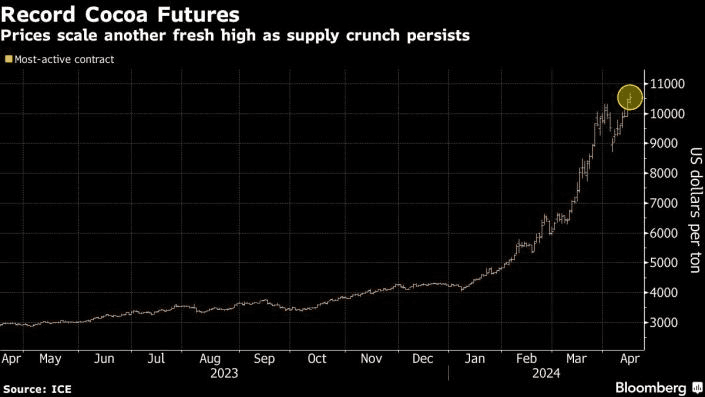
Against the backdrop of supply constraints and heightened market uncertainty, cocoa futures have surged to new highs in the New York market. Prices soared by as much as 2.2% to reach an all-time high of $10,702 per ton for the most-active contract, underscoring the relentless upward momentum in cocoa prices. The sharp ascent in cocoa prices reflects the market's apprehensions regarding the adequacy of global cocoa supplies to meet growing demand, particularly in light of the persistent supply challenges in West Africa.
Outlook for the Cocoa Market
Looking ahead, the outlook for the cocoa market remains fraught with uncertainties as stakeholders brace for continued volatility and supply disruptions. While efforts are underway to mitigate the impact of adverse weather conditions and crop diseases in West Africa, the long-term sustainability of cocoa production hinges on implementing robust agronomic practices and investing in research and development to develop disease-resistant cocoa varieties.
In the interim, market participants are advised to adopt a prudent approach to risk management and explore innovative solutions to navigate through the choppy waters of the cocoa market. Collaboration among industry stakeholders, including cocoa producers, traders, and chocolatiers, will be pivotal in addressing the structural challenges facing the cocoa supply chain and ensuring its resilience in the face of future shocks.
Conclusion
The cocoa market finds itself at a crossroads, grappling with unprecedented supply challenges and heightened market volatility. As cocoa prices soar to new heights, stakeholders across the supply chain must collaborate and innovate to navigate through these turbulent times. By fostering resilience and adaptability, the cocoa industry can weather the storm and emerge stronger, ensuring the continued availability of this beloved commodity for generations to come.