
Sweden Plans $28.5 Billion Nuclear Expansion to Secure Energy Future
Sweden’s Bold Nuclear Ambition: Financing a $28.5 Billion Leap Towards Energy Security
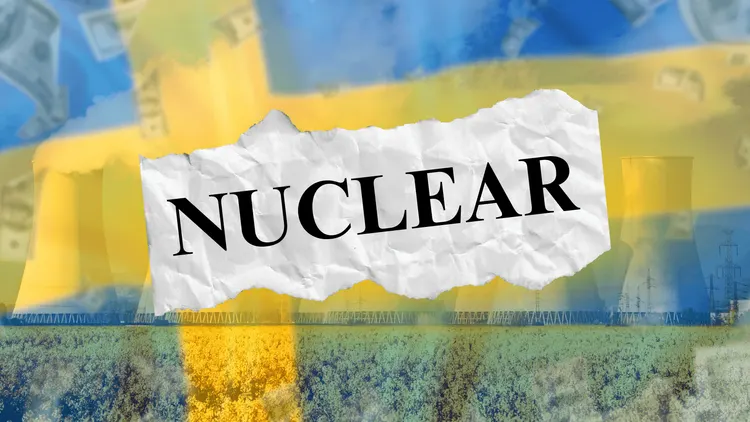
Sweden is on the brink of a significant transformation in its energy landscape. With a growing need for reliable and sustainable energy sources, the Nordic nation is considering borrowing a staggering $28.5 billion to finance a new fleet of nuclear reactors. This ambitious move highlights Sweden's commitment to securing its energy future, even as the country grapples with the challenges of financing such a massive endeavor.
The Current State of Sweden’s Energy Sector
Sweden's energy sector is a delicate balance of nuclear power, hydroelectricity, and wind energy. Currently, the country operates six nuclear reactors, which supply about one-third of its electricity needs. The remainder comes primarily from hydro and wind power. However, as Sweden pushes for greater electrification of its economy, the demand for power is expected to double, putting immense pressure on the existing energy infrastructure.
The Case for Nuclear Expansion
As Sweden’s economy becomes increasingly electrified, the demand for energy will soar to unprecedented levels. Traditional energy sources alone may not suffice to meet this growing need. Nuclear power, with its ability to provide a steady and substantial output, presents itself as a vital component in Sweden’s long-term energy strategy. Unlike wind and hydro, which are subject to the whims of nature, nuclear energy offers a reliable and sustainable solution to power Sweden’s future.
Financing the Nuclear Renaissance
To finance this nuclear renaissance, Sweden is considering a bold move: borrowing 300 billion Swedish kronor ($28.5 billion). This funding would support the construction of new reactors and ensure that the country can meet its future energy demands. The model draws inspiration from financing schemes in other countries, such as the Czech Republic and the UK, where government borrowing and innovative financial instruments have been used to secure investment in nuclear power.
Understanding the Contract-for-Difference Model
Central to Sweden’s financing plan is the contract-for-difference (CfD) model. Under this mechanism, the government and energy developers agree on a fixed price for electricity over a set period. This arrangement provides certainty for investors, as it guarantees a stable revenue stream regardless of market fluctuations. If electricity prices fall below the agreed rate, the state tops up the difference. Conversely, if market prices exceed the fixed rate, the generator returns the excess to the government.
Public Debt and Economic Implications
While the proposed borrowing could increase Sweden’s public debt by 300 billion kronor, the long-term benefits could outweigh the risks. By securing a reliable source of energy, Sweden could enhance its economic stability and competitiveness. The reduction in financing costs, achieved through shared profits and risks between the state, developers, and consumers, could ultimately benefit households and industries alike.
Key Players in Sweden’s Nuclear Plans
The success of Sweden’s nuclear ambitions hinges on the collaboration between the government and key industry players. State-owned Vattenfall AB and Finland’s Fortum are among the utilities studying the feasibility of new reactors. These companies bring a wealth of experience and expertise to the table, ensuring that the project is grounded in both technical and financial feasibility.
The Historical Context of Nuclear Power in Sweden
Sweden’s relationship with nuclear power has been tumultuous. The first commercial reactor began operations in 1972, but mounting opposition led to a 1980 referendum calling for the dismantling of all reactors. Although this effort ultimately failed, it left a lasting impact on the country’s energy policy. Fast forward to 2022, the winning center-right coalition made nuclear energy a central pillar of its campaign, signaling a renewed commitment to atomic power.
Government’s Roadmap for Nuclear Development
The Swedish government has laid out an ambitious roadmap for nuclear development, aiming to have at least 2,500 megawatts of new nuclear capacity operational by 2035. This would be enough to power approximately 2.5 million European homes. Vattenfall has already taken proactive steps by purchasing land adjacent to its Ringhals plant, highlighting the government’s determination to pave the way for new units.
Public Opinion and Environmental Considerations
Despite the government’s enthusiasm, public opinion on nuclear energy remains divided. Environmental concerns, particularly regarding nuclear safety and waste management, continue to be significant obstacles. The government will need to address these issues transparently to gain public support for its nuclear ambitions.
Strategic Importance of Nuclear Energy for Sweden
Nuclear energy is not just about meeting domestic energy needs; it is also about enhancing Sweden’s strategic position in the global energy landscape. By reducing reliance on fossil fuels and imported energy, Sweden can secure its energy independence and play a leading role in the global transition to clean energy.
Potential Challenges and Obstacles
The path to nuclear expansion is fraught with challenges. Regulatory approvals, technological hurdles, and potential delays in construction could all pose significant obstacles. Moreover, the high upfront costs of building reactors could strain public finances, especially if the project encounters unforeseen difficulties.
The Global Perspective: Sweden’s Nuclear Ambitions in Context
Sweden’s nuclear ambitions are not happening in isolation. Across Europe, countries are grappling with the need for clean, reliable energy sources. Sweden’s plans to expand its nuclear capacity mirror similar efforts in other nations, positioning it as a key player in the global nuclear energy landscape. International collaborations and partnerships will be crucial in overcoming the challenges and realizing the full potential of nuclear energy.
Conclusion
Sweden’s consideration of borrowing $28.5 billion to finance new nuclear reactors represents a bold and strategic move towards energy independence. While the financial and logistical challenges are significant, the long-term benefits of a reliable, sustainable, and secure energy supply cannot be overstated. As Sweden navigates the complexities of nuclear expansion, it stands at the forefront of the global push for clean energy, setting an example for other nations to follow.