
South American countries are fearing a negative impact from a Biden presidency
The oil sectors of South American countries might face serious consequences.
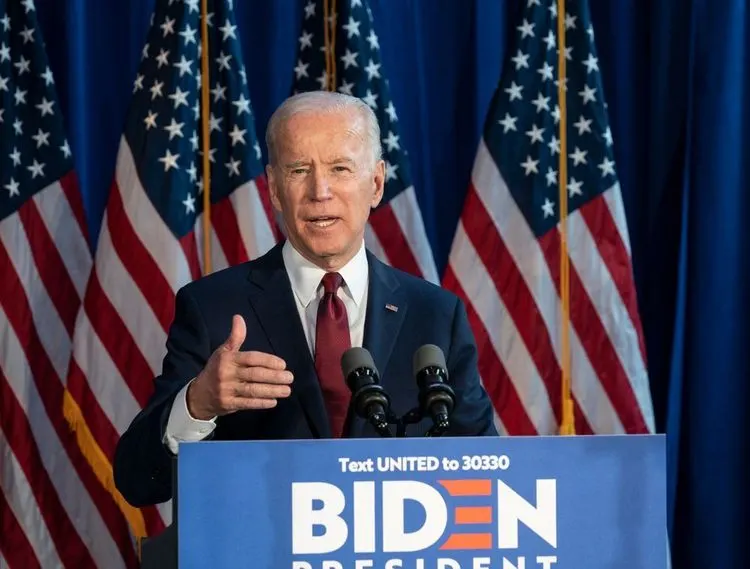
Much has been said about the energy policy of President-elect Joe Biden and the negative impact on the US oil industry, which is grappling with a global oil glut and significantly lower energy prices. This is in stark contrast to outgoing President Trump's pro-industry policies that are alleged to have helped the U.S. shale oil industry weather its worst oil price slump since the early 1990s. Energy industry analysts and insiders expect Biden's commitment to ban new oil and gas leases on public land, aggressively reduce emissions, re-accede to the Paris climate accord, and reinstate the nuclear deal with Iran will harm the US oil industry . It is feared that these measures, if successfully implemented, will result in a drop in oil prices and increase pressure on shale oil drills in the US. It can be argued that Trump's tough foreign policy, petrodiplomacy, and constant intervention in global energy markets have given oil prices an unhealthy level of volatility and even suppressed them, which has done more harm to the domestic energy industry than increased regulation. Throughout 2018, when Brent price soared to its highest level since 2015 and flirted at $ 80 a barrel, Trump put significant pressure on OPEC to cut oil prices by opening the taps and the Production increased. While Saudi Arabia and its allies, including Russia, tried to stabilize the price at around $ 75 a barrel, Trump insisted that they increase production by 2 million barrels. The rationale for Trump's constant interference to manipulate the price of oil is simple: Significantly lower prices are a form of economic stimulus at no cost to the US government. It also does not create the inflation risks associated with money creation, which is the Fed's preferred stimulus policy. Biden's policy increases the regulatory burden and thus the operating costs for the upstream US oil producers, but could cap the oil production of the world's largest oil and natural gas producer. That would bring some relief to a world that is flooded with oil and stuck in a six year supply glut that is responsible for the ongoing price decline. Regardless of the hype surrounding the expected rapid spread of electric vehicles and the emerging demand for peak oil, fossil fuels will remain an important part of the global energy mix for some time to come. While the existing global glut of supply will weigh on prices for the foreseeable future, the demand for fossil fuels will remain stable for at least a decade.