
FED: Economic growth held hostage by inflation, delta, labor shortage
The labor shortage continues to hold back growth
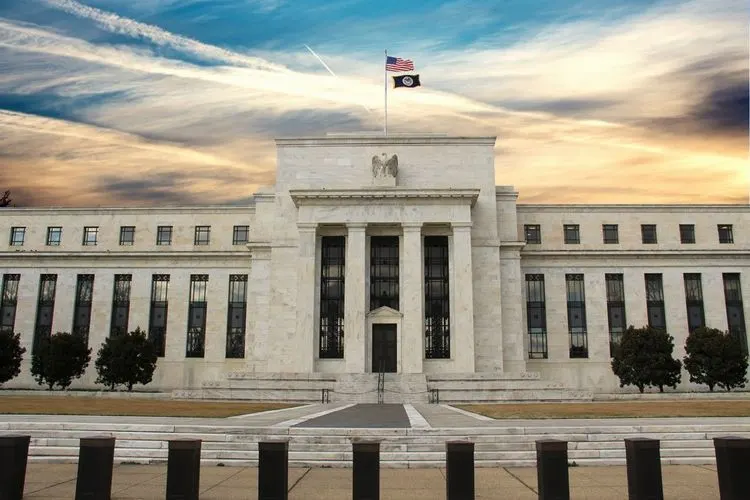
The trio of issues, including supply chain disruptions, labor market bottlenecks and the impact of the Delta variant of Covid-19, have caused the economy to slow, according to the Federal Reserve's Beige Book released Wednesday.
According to most Federal Reserve Districts, economic activity grew at a modest to moderate rate. However, several districts found that the pace of growth slowed over this period due to supply chain disruptions, labor shortages and uncertainty surrounding the pandemic, the Fed said in its Beige Book economic report, which is based on anecdotal information provided by the 12 reserve banks of the Fed by October 8th.
There was little evidence that rising input costs were easing. "Most counties reported significantly higher prices fueled by rising demand for goods and raw materials," the report said. Nevertheless, the companies managed to offset the rise in costs somewhat by increasing sales prices.
"Many companies have raised their selling prices, which suggests that given the strong demand, they are better able to pass the cost increases on to customers. Expectations for future price growth were mixed: some expected prices to remain high or continue to rise, while others anticipated moderate price developments over the next 12 months, "the report said.
The labor shortage continues to hold back growth, forcing companies to raise wages. "Companies reported that they are raising starting salaries to attract talent and raising wages for those already employed to keep them.
While supply chain bottlenecks are likely to ease and help slow the explosive pace of inflation, a sustained rise in wages will challenge the Federal Reserve's current view that inflation is temporary.
"The higher rate of inflation, fueled by energy shortages and supply chain disruptions, is temporary, but the wage price spiral is the real risk," said Zhiwei Ren, managing director and portfolio manager at Penn Mutual Asset Management, in an interview on Wednesday .
The Fed previously mentioned that wage inflation is expected to remain stable as the end of expanded unemployment benefits and easing fear of the effects of the virus will encourage more people to enter the labor market and increase the employment rate.
However, new workers entering the labor market who are feeling the pressures of inflation are likely to demand higher wages, which could result in persistent price pressures.
"The job market is so tight right now, and consumers are spending more money on goods like groceries, that they could ask for higher wages to find work," said Ren.
While the outlook for the economy was mostly positive, persistent inflation and supply chain disruptions had clouded sentiment in some districts.
"The outlook for short-term economic activity remained positive overall, but some counties experienced greater uncertainty and more cautious optimism than in previous months," the Beige Book said.
The report also highlighted that "the majority of counties saw positive consumer spending growth". This strength will prove essential in averting any prospect of a recession.
"The demand is extremely strong," added Ren. "This momentum will support the economy for the next 12 to 18 months. There is no risk of a recession for the next 18 months.