
Crude oil prices hit seven-year high
Will Department of Energy sell US strategic oil reserves?
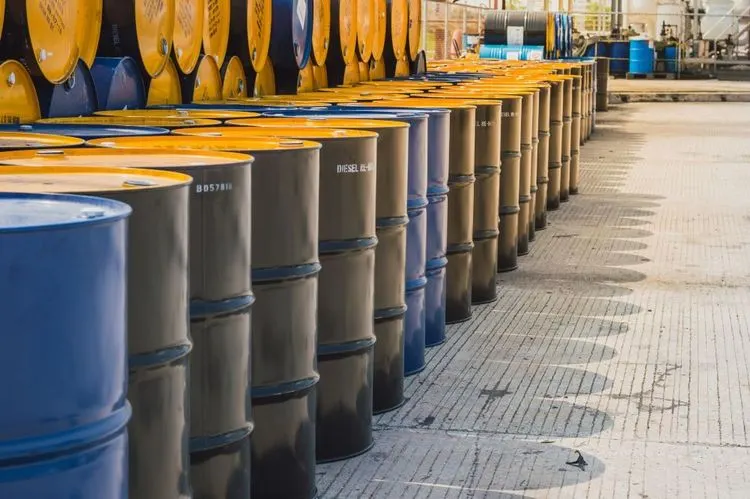
Crude oil prices hit the $ 80 a barrel mark in the US for the first time since 2014 on Friday, a day after the Department of Energy downplayed reports that it was considering selling barrels from the US strategic oil reserve.
The ministry said Thursday that it "has no plans to take action at this point" but appeared to leave the door open for such a move by saying that "all the tools in the tool kit are always being considered protect the American people. "
At 10:40 AM ET (1440 GMT), US crude oil futures were just below their daily high but still 2.1% higher at $ 79.92 a barrel. Brent crude oil futures rose 1.6% to $ 83.32 a barrel. Gasoline RBOB futures were also at a seven-year high, up 1.6% at $ 2.3715 a gallon.
The market was unfazed by an earlier US labor report that showed that job creation was slower than expected for the month through mid-September. The U.S. economy only created 194,000 new jobs this month, far fewer than the expected 500,000. However, the disappointing number of 235,000 in August has been revised upwards by over 130,000.
The department has also failed to confirm another rumor circulating earlier this week that it is considering reintroducing the US crude oil export ban in an attempt to rebalance supply and demand. That ban was lifted by President Donald Trump after it had been in place since the oil shocks in the 1970s.
While crude oil prices tend to set the trend for other fuels in the world market, the situation is now being reversed as the shortage of natural gas and coal - especially in Asian markets - presents a rare opportunity for oil-powered power producers.
US natural gas prices have risen for the eighth week in a row, increasing 49% in that time. However, futures were below their previous highs in early trading, falling 0.4% for the day to $ 5.65 per million Btu. For comparison, Reuters reports that the average price for LNG cargoes to be shipped to Asia in the next month is around $ 37 per mmBtu.
The demand for fuels also remains strong as the global wave of the delta variant of Covid-19 subsides and the major energy-consuming economies in South and Southeast Asia can reopen.
Louise Dickson, an analyst at Rystad Energy, noted that the market doesn't have to be as tight as it is as OPEC and its allies are still slacking over 8.6 million barrels a day of crude oil production capacity.
"The group seems to bask in higher prices, at least in the short term, and is depriving the market of the only available supply buffer," Dickson said in a statement to customers. "OPEC + controls 95% of the world's crude oil reserve capacity and there are simply no other sources that can be tapped to create a greater balance in the market.
Later on Friday, Baker Hughes' weekly drilling rig count will show the extent to which US companies are responding to the price hike by increasing drilling. But the group seems to bask in the higher prices, at least in the short term, and to withdraw the only available cushion of supply from the market.