Why Biden can't cap oil prices
High gasoline price a red line for most voters
 Marcus Stuart (MS)October 3, 2026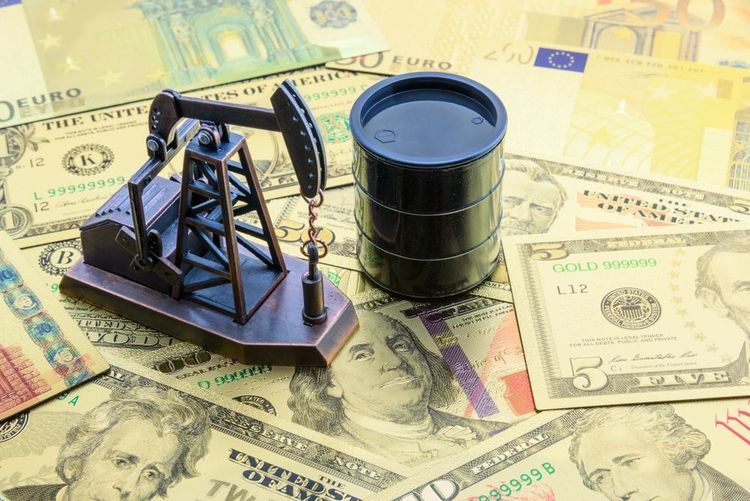
Oil prices this week hit their highest level since October 2014, prompting renewed commitments from the US government to do everything in its power to lower prices at the pump for Americans. Oil prices have traded even higher this week than in November 2021, when the Biden administration announced the release of 50 million barrels of crude oil from the Strategic Petroleum Reserve (SPR) to curb high gasoline prices in coordination with other major oil-consuming nations.
After falling between late November and early December in the United States - which was due to the market sell-off resulting from the Omicron panic and not the release of the SPR - gasoline prices in the United States began to rise again this year as international Crude oil prices picked up again due to tighter than expected supply and sustained demand despite the Omicron wave.
Rising crude oil prices are driving the US national average higher, the AAA said Thursday, when the average price for regular gasoline was $3.32 a gallon.
The Biden administration is once again looking for solutions as high gas prices are a red line for most voters. High gas prices and America's highest annual inflation in 40 years have become a hot political issue for President Joe Biden. This year is also a midterm election year in which Democrats must come up with solutions - and hope global events will save them - if they are to retain control of the House and Senate.
"We will continue to work to increase available oil supplies," President Biden said at a news conference on Wednesday.
However, analysts see few opportunities for the government to directly affect international crude oil prices, which are the main reason behind rising gasoline prices.
The Biden administration is poised to use its tools to address the recent surge in oil prices, a National Security Council spokeswoman said this week.
"We continue to work with producer and consumer countries and these steps have actually had an impact on prices, so we continue to have the ability to impact prices," said Emily Horne, quoted by Reuters.
"We will continue to monitor prices in the context of global economic growth and engage our OPEC+ partners as appropriate." added Horne.
This was on Tuesday. On Thursday, the price of Brent crude briefly hovered just above $89 a barrel, while analysts, investment banks and even some OPEC officials believe oil prices are headed for $100 a barrel.
"There are very few energy-related issues that voters can relate to better than gas prices, and oil is at the heart of gas prices," Kevin Book, chief executive of research firm ClearView Energy Partners, told Bloomberg. Still, intervening in the oil market is difficult," added Book.
High oil and gas prices could lead to some demand destruction, but that doesn't change the fact that political leaders in America and elsewhere will continue to face the disapproval of voters who pay for high-priced gas and groceries. A similar situation could also arise in many European countries due to record high gas and electricity bills.
In the UK, for example, the worst is yet to come: energy market regulator Ofgem plans to raise what it calls the energy price cap from April, pushing millions of households into fuel poverty, leaving many people to choose between eating and heating.
According to a report in the Guardian, citing research by the think tank Resolution Foundation, the number of UK households affected by fuel poverty will triple to 6.3 million after April's adjustment of the energy price cap. In light of these forecasts, there are increasing calls for the government to do something about it.
From the UK to the US to many other developed economies, politicians are under a lot of pressure to do something to ease the burden on consumers. The problem is that they have few ways to influence the oil market, which is governed by the laws of supply and demand and OPEC+. Even OPEC+ cannot flood the market with oil: few members can pump more than they already do, and even those that can do so at the cost of reducing global spare productive capacity.