
What Makes "Silver" Unique?
Gold´s little brother is still far from its historical average relation.
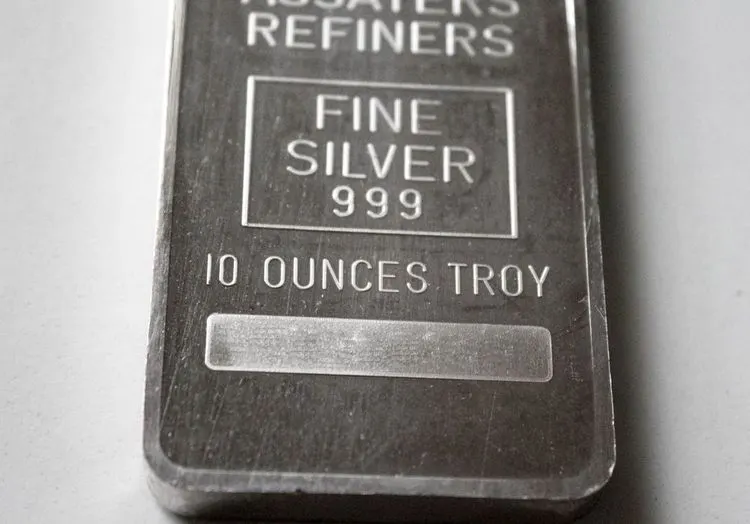
In the precious metals investment space, gold tends to grab most of the market’s attention as opposed to silver. Never-the-less, silver is also a tangible store of value asset which can protect portfolios against overall market risk. Where silver truly differs from gold is on the DEMAND side of things. The main source of demand for gold is investment demand from ETF’s and Central Banks. For silver, a majority of demand (~50%) comes from industrial usage, with the rest of demand coming mostly from investors and jewellers. When silver demand from industry falls, demand from investors normally makes up for the shortfall, or even pushes demand to new highs. <% {"name": "BoxSeenNews", "newsHeadline":" Drills are running HOT for Turmalina", "link": "/news/drills-are-hot-turmalina-metals-corp-after-recent-results"} %> Due to the highly conductive and reflective properties of silver, the metal is widely used in various industrial applications and manufacturing process, specifically in areas related to the electrification of the global economy. An electric future is a future filled with silver. As such, demand for silver in industrial usage has been increasingly rapidly over the last few years and is expected to continue increasing over the next 20 years. _What makes silver unique?_ Silver is unique given that it is the most reflective plus electrically and thermally conductive of all known metals. Another aspect of silver which gold cannot compete with is **industrial usage**. While gold is certainly highly conductive and stable, it is simply too expensive to be used in industrial applications in meaningful quantities. <% {"name": "BoxTargetPrice", "targetPrice": "$ 31,00", "companyName": "Silver Price","companyWKN": "Silver","companyTickerSymbol": "SLV"} %> Silver benefits from three strong sources for demand: 1) **Industrial** (electronics, batteries, biocides, solar panels, etc.) 2) **Investment** (coins and bars) 3) **Consumer** (jewelry, silverware and religious objects) Of these sources, industrial demand represents the most significant use.  We can see that Industrial and technological uses for physical silver account for well over half of annual global silver demand, spurred by the metal’s strength, malleability and ductility. Silver is used in 5G network equipment, and the expansion of 5G networks will be a major driver of electronics silver demand over the next two years. Silver is also widely used in electric vehicle raw materials and manufacturing. Pure battery-powered electric vehicles require more electrical control, which boosts their relative silver consumption. Moving forward, increased silver demand is expected to come particularly from the solar energy sector, since the precious metal is a great conductor of both heat and electricity, making it perfect for use in solar panels. An average solar panel uses some 20 grams or 0.643 troy ounces of silver. Two-thirds of an ounce of silver in every solar panel may not sound costly given today’s silver spot price. But silver’s cost contribution to solar panels outweighs its proportional expense over virtually any other application it has other than perhaps jewelry, silverware, or in .999 fine bullion coin or bar form. <% {"name": "BoxNewsletterUnder", "companyName": "Silver","companyTickerSymbol": "Prices"} %>
