
De Beers is planning to streamline and clean up its supply chain
The diamond maker is planning to become carbon neutral by 2030.
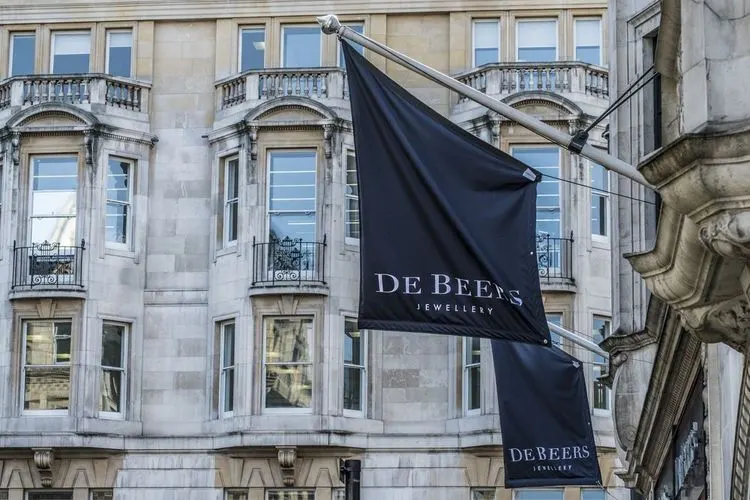
Diamond mining giant De Beers on Monday unveiled plans to source its diamonds ethically and be carbon neutral by 2030 as investor pressure grows on companies to act environmentally and socially responsible. The initiative is the latest example of a miner setting sustainability goals in an industry blamed for natural resource depletion, smuggling and child labor in utility lines. De Beers, a unit of Anglo American, said it will disclose the origins and effects of every diamond it discovers and sells while also disclosing a set of ethical, social and environmental standards beyond its value chain and on diamond mining and others Expand sectors. De Beers, the world's largest diamond producer by the value of its gemstones, has led the industry's efforts to validate the authenticity of diamonds and ensure that they are not from conflict areas where gemstones can be used to fund violence. The company has tracked high quality diamonds from the mine to the retailer, using blockchains to rid the supply chain of scammers and conflict minerals. The diamond producer, which has historically been accused of not reporting toxic mercury levels in one of its mines in Canada, said Monday it aims to halve its water footprint and have a net positive impact on biodiversity by 2030. De Beers, through its CarbonVault initiative, has tried to capture carbon from the atmosphere and lock it in kimberlite, the rock in which diamonds are found. The ethical practices are one of the company's 12 sustainability goals for the next decade, which also include achieving gender parity in the workforce. Advocacy group Human Rights Watch warned earlier this month that major jewelry brands are still not doing enough to address human rights and environmental abuses in their gold and diamond supply chains.