
Utah's cannabis program is struggling
Access for patients is difficult
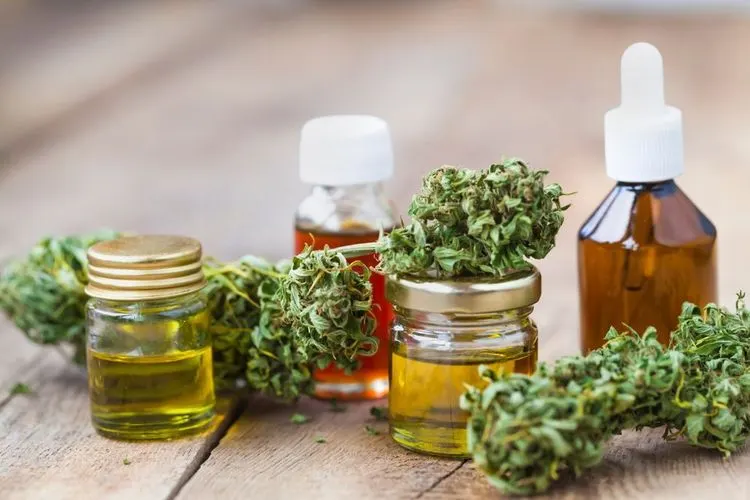
Since 2020, the state's medicinal cannabis program has seen significant growth. According to an annual report last year, the number of active cardholders has more than tripled and the number of pharmacies in the state has more than doubled.
However, despite the expansion of the program, patients are finding it difficult to access the drug due to the cost of the renewal and the product.
Zachary King lives in Bountiful. Years ago he had a paintball accident that left him with chronic pain. He has now been a medical marijuana card holder for almost two years.
King pays for his doctor's visits and medication out of his own pocket. He says it is very expensive to get cannabis.
"It's almost like we have more incentive to go back to our medications than we do to the cannabis option because with insurance and all that stuff, it's just a lot more affordable," King said.
This has primarily to do with a question of supply and demand. In Utah, due to state law, there are a certain number of vendors who are allowed to grow and sell marijuana in the state.
"I've gotten to the point where I have to make a decision between paying my mortgage or getting my medicine," he said.
Emily Tucker, a brain tumor patient, has also been a cardholder for almost two years. She has turned to medical marijuana to help deal with pain and nausea.
Tucker lives in Saratoga Springs and drives almost an hour to get her medicine.
She says the quality of the products is not up to standards and is very expensive. Once she had to return several bags of food because they had grown mold.
"That's not what we voted for," Tucker said. "Access [is] not sufficient [for] people who can get it and who could actually benefit from it."
Christine Stenquist, founder of TRUCE, a group that advocates for medicinal cannabis, said she's heard similar reports from people facing accessibility issues. She said something really needs to change about the way the program works. One solution she suggested was to increase the number of people allowed to grow and sell medicinal cannabis.
"I think we just need a little more acceptance from our legislators and our regulators," Stenquist said. "We're still being treated like criminals, and you can tell by the fact that the program is so financially restrictive and so awkward to access.
The 2021 Annual Report also noted that accessibility is a major concern. Health department officials say they plan to work with the Utah Department of Agriculture and Food to find ways to address the growing concerns.
Rich Oborn, director of the Center for Medicinal Cannabis at the Department of Health, said two initiatives are planned to help with this problem.
One would increase the number of providers who would be able to prescribe a medical marijuana card. Another would set up a website that would help compare and rate the costs of prescribing doctor's offices.
Oborn said many of the problems the state program has struggled with stem from its newness and will resolve as the program continues to grow.
"We're growing. We're still very new. The supply isn't that big, so the price will be a bit higher. But over time, as the supply gets bigger, the price will go down," he said in a phone interview.