
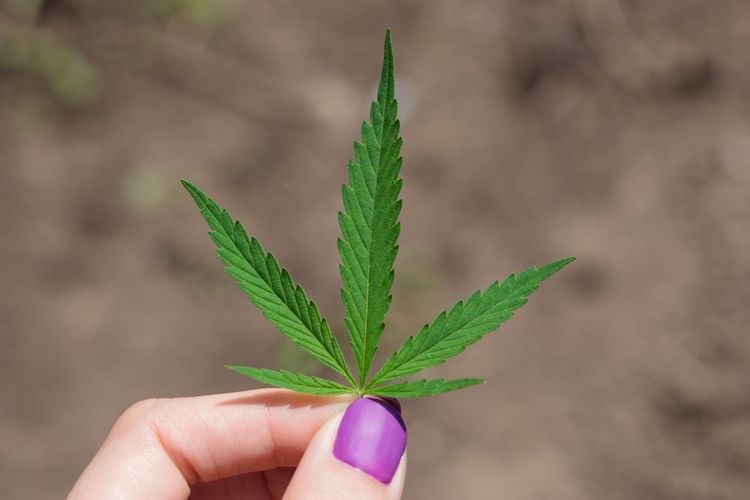
Oregon has made several changes to regulating the cannabis industry for the New Year, including doubling the amount of marijuana customers can buy and allowing home delivery across city and county lines.
In a December 28 meeting, the Oregon Alcohol and Cannabis Commission approved new rules that, according to a press release from the agency, will help tighten industry oversight, reduce violations, expand consumer choice, and prevent, that children have access to THC-containing hemp products.
In response to the industry's rapid growth, the changes will align Oregon more closely with other states in terms of marijuana use rules and position the state in the export market if marijuana is legalized nationwide, the authorities said.
In his own words: Police chief Trevor Womack speaks after a year about trust, staffing, data and body cameras
While some of the new rules took effect on January 1st, others won't come into effect until later this year.
The new rules were driven forward by two bills passed in 2021. The House of Representatives Bill 3000 created a framework for restricting the unregulated sale of THC-containing hemp products. Senate bill 408 provided the commission with a framework for restructuring the sanctions for violations of the regulations by licensees.
Below are some of the changes:
Consumers will be able to purchase two ounces of usable marijuana starting January 1, down from one ounce previously. The concentration limits for edible products will be increased from 50 mg THC to 100 mg per pack on April 1st. Individual servings (with no more than 10 mg THC) must be labeled to make the portion sizes clear.
Home delivery is now also allowed beyond the borders of cities and counties, provided that the local authorities permit this. Previously, delivery was limited to only the city or district where a cannabis dealer was located.
To ensure that hemp products containing large amounts of THC are not mixed with products in the general market, the Commission will limit the sale of edible hemp products in the general market to 2 mg of THC in a single serving and up to 20 mg of THC each Restrict containers of hemp products. This regulation comes into force on July 1st.
The Commission requires that non-intoxicating, man-made cannabinoids go through the normal government screening process required for ingredients in dietary supplements or foods. In order for the Commission to approve something like cannabinol (CBN) in the future, the CBN must meet the standard for notification as a new food ingredient, i.e. H. it must be generally recognized as safe (GRAS). The Commission's licensees have 18 months to bring their CBN products into compliance.
The Commission will reduce the time and expense of licensees in reporting marijuana plants and crops to the state's cannabis tracking system and improve the ability of licensees to self-sell their products.
- The Commission will be accepting applications for labeling of marijuana edibles that contain more than 50 mg of THC in the package with immediate effect. Edibles containing more than 50 mg of THC cannot be sold until April 1, regardless of whether a label has been approved.