
Study shows that psilocybin has at least the same effect as antidepressants
The new study could allow further research on the subject.
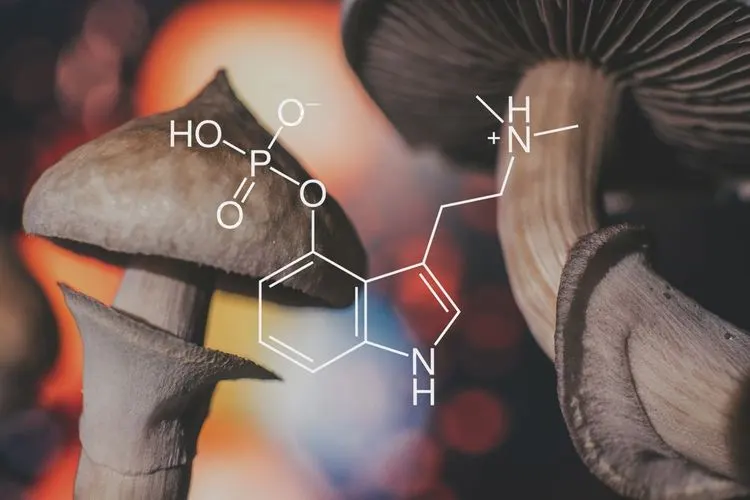
Two doses of the psychedelic substance found in magic mushrooms treat depression as well as a leading antidepressant, a new small but rigorous study shows. On Wednesday, the results of the first randomized clinical trial comparing therapeutic doses of psilocybin with existing treatment for major depression were published in The New England Journal of Medicine. While new research shows that psychedelics can be used to treat mental illness, there are calls for more clinical trials to determine whether drugs like psilocybin can be an effective long-term treatment. The new study, conducted at Imperial College London, showed that depression levels were reduced in all but one of the 59 participants. But the decrease occurred faster in the psilocybin group than in the antidepressant group and was also more pronounced. Dr. Robin Carhart-Harris, director of the Center for Psychedelic Research at Imperial College of London. Photo: Thomas Angus Although the researchers warn that larger clinical trials are needed, the study's lead author says the results should give people hope for effective alternatives to selective serotonin reuptake inhibitors. "One of the most important aspects of this work is that people can clearly see the promise of properly administered psilocybin therapy when compared to a better known, established treatment in the same study," said Dr. Robin Carhart-Harris in a statement. "Psilocybin did very well in this head-to-head comparison." Dr. Carhart-Harris, director of the Center for Psychedelic Research at Imperial College, designed the study to compare six-week psilocybin therapy with a commonly prescribed antidepressant to see which would give better results. The SSRI used was escitalopram, an antidepressant that is sold under brand names such as Cipralex and Lexapro.