
High Tech Deep Sea Mining Robot lost at bottom of the pacific
The machine had been employed to search for underwater nickel and cobalt deposits.
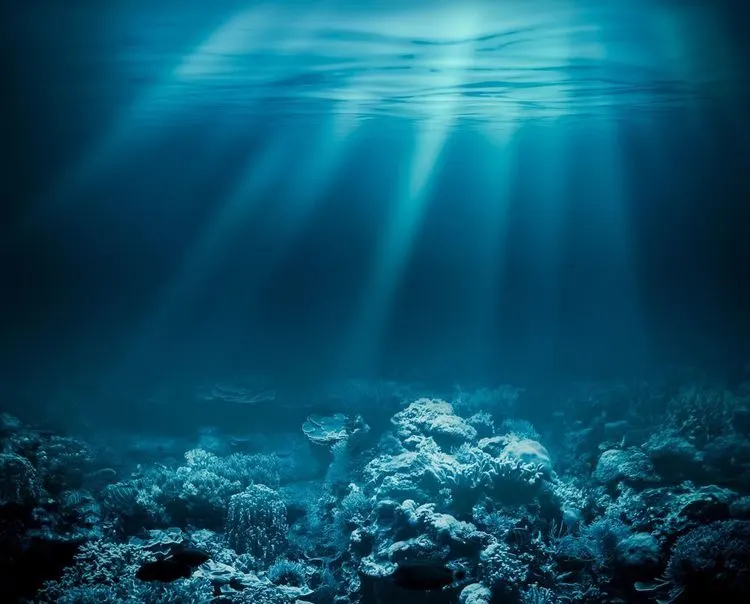
A deep-sea mining robot on a test mission to retrieve cobalt and nickel-containing rocks from the bottom of the Pacific has malfunctioned. Controversial plans to mine the ocean floor face a crucial test this year when a United Nations body puts forward rules that could spur hundreds of billions of dollars in battery exploitation. Environmentalists say this would put fragile marine ecosystems at risk, while industry argues that mining the metals needed for the green energy transition would do less damage than mining them on land. Global Sea Mineral Resources, a unit of the Belgian DEME Group, took the first minerals from the seabed on April 20th. It is one of the companies that include DeepGreen Metals Inc., Lockheed Martin Corp. and China Minmetals Corp. who are at the forefront of efforts to extract metals from the ocean floor that are needed for electric vehicles. "Patania II is now on the ocean floor," GSR said in a statement on Wednesday, referring to the name of its mining equipment. Recovery work will begin later in the day after a pump that was used to lift the robot failed. The GSR robot was deployed at a depth of 4.5 kilometers (2.8 miles) in the Clarion-Clipperton Zone: a stretch of sea between Hawaii and Mexico the size of the mainland of the United States. The ocean floor is littered with billions of tons of manganese nodules - fist-sized rocks that have formed over thousands of years and are filled with the nickel and cobalt needed for lithium-ion batteries. "This blatant operational failure must be a clear warning that deep-sea mining poses too great a risk," said Greenpeace marine biologist Sandra Schöttner in a statement. A Greenpeace ship has been monitoring GSR's activities in the Pacific Ocean.