
South Korea Leads the Charge in Nuclear-Powered Shipbuilding
Pioneering the Seas: South Korea's Nuclear Innovation in Shipbuilding
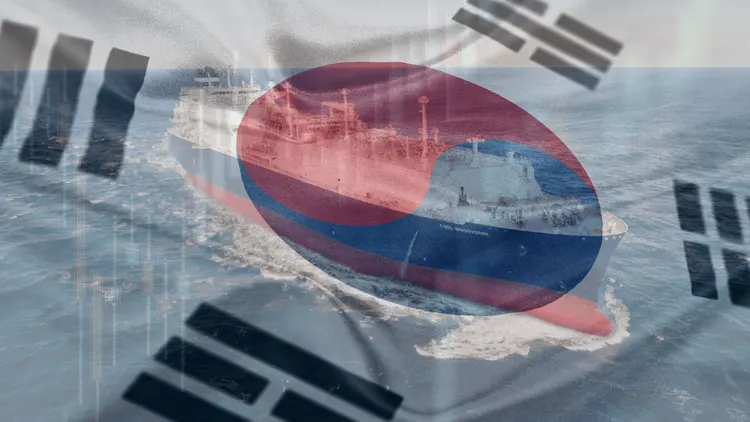
HD Korea Shipbuilding & Offshore Engineering (KSOE), a prominent figure under the umbrella of HD Hyundai, is making significant strides in the maritime industry. The company's latest venture into the realm of nuclear technology marks a revolutionary step, not just for KSOE but for the shipbuilding sector as a whole.
HD Hyundai, long known for its prowess in automotive and heavy industries, has now set its sights on the maritime horizon. Its subsidiary, KSOE, is leading the charge in innovating shipbuilding technologies, pushing the boundaries of conventional maritime engineering.
The Advent of Small Modular Nuclear Reactors
The joint research and technology exchange meeting between KSOE, TerraPower, and CORE POWER is a testament to the evolving landscape of marine propulsion systems. The collaboration aims to develop small modular nuclear reactors, heralding a new age of energy efficiency and environmental consciousness in shipbuilding.
Central to this initiative is the development of the Molten Chloride Fast Reactor (MCFR) by TerraPower, in collaboration with KSOE and other partners. This reactor design is set to redefine the standards of safety, efficiency, and sustainability in maritime nuclear technology.
The Strategic Alliance and Investment Dynamics
HD Hyundai's investment of $30m in TerraPower in November 2022 underlines the strategic significance of this alliance. This venture is not just a financial investment but a clear indicator of HD Hyundai's long-term vision for nuclear-powered ships.
For years, the concept of nuclear-powered vessels has been on the drawing board of many industry leaders. Now, with concerted efforts and strategic partnerships, this vision is inching closer to reality, promising a transformative impact on the maritime industry.
The Roadmap to Innovation and Development
KSOE's proactive approach in sending an R&D team to TerraPower in March marks a pivotal step in their collaboration. This move is aimed at fostering innovation and ensuring that the joint research companies from various fields align their expertise towards a common goal.
The involvement of KSOE with the International Atomic Energy Agency (IAEA) and classification societies like ABS and Lloyd’s Register signifies the global scope of this project. It underscores the commitment to meeting international standards and regulations in marine nuclear technology.
Industry Perspectives and Future Outlook
Mikal Bøe, the founder of CORE POWER, highlights the strengthening narrative around new nuclear technology in the maritime sector. His statement underscores the recognition of nuclear power as an indispensable component of achieving net-zero emissions in the industry.
The initiative by KSOE, TerraPower, and CORE POWER is not an isolated endeavor. With similar projects underway in the US, China, Denmark, Russia, Italy, and South Korea, the concept of floating nuclear power plants is gaining traction globally, signaling a new direction in maritime energy solutions.
Conclusion
The collaboration between KSOE, TerraPower, and CORE POWER, supported by HD Hyundai's strategic investment, is setting a new benchmark in the maritime industry. As the narrative around maritime nuclear technology strengthens, it paves the way for a sustainable, efficient, and transformative future in shipbuilding.